Cinnamon Rolls: Soft Fluffy Weekend Treat
- The Ultimate Weekend Treat: Soft & Fluffy Classic Cinnamon Rolls
- The Science Behind the Softest Cinnamon Rolls Ever
- What You'll Need: Ingredients and Essential Substitutions
- Baking Bliss: A Step-by-Step Guide to Perfect Cinnamon Rolls
- Troubleshooting and Expert Baker's Secrets
- Keeping Your Bakes Fresh: Storage and Freezing Options
- Perfect Pairings: Ways to Serve Your Sweet Treat
- Recipe FAQs
- 📝 Recipe Card
The Ultimate Weekend Treat: Soft & Fluffy Classic Cinnamon Rolls
I swear, there are very few aromas on this planet that can compete with the smell of warm, yeasty dough baking, heavy with brown sugar and cinnamon. That incredible fragrance, which screams comfort and nostalgia, is the reason we make Cinnamon Rolls in the first place.
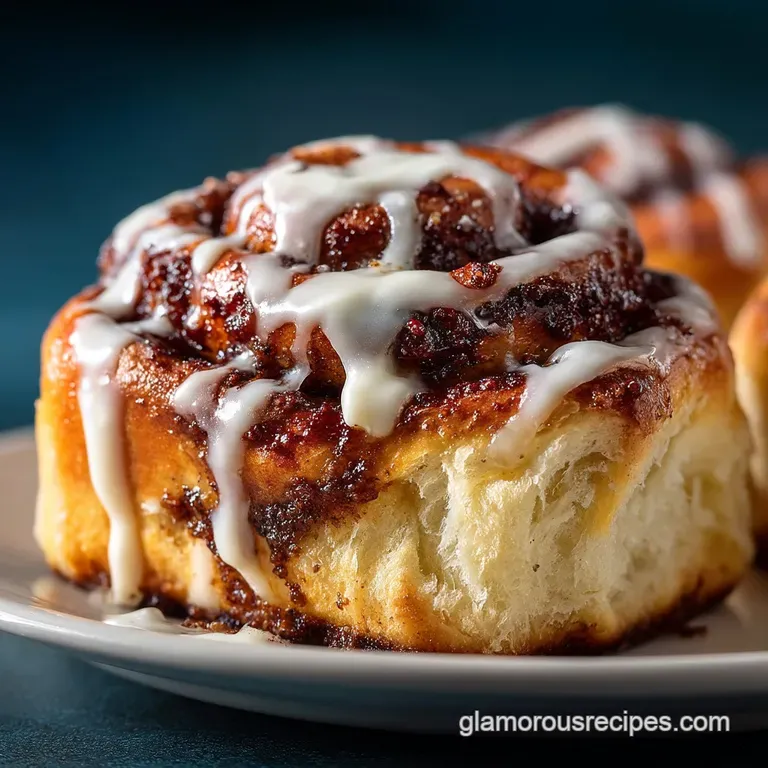
You know the texture I mean: light, pillowy dough that unwinds effortlessly, soaked in gooey, melted spice and smothered in tangy cream cheese glaze.
Forget the fussy, complicated recipes you might have tried before; this version simplifies the technique without sacrificing that ultimate, soft texture. While making spectacular homemade Cinnamon Rolls takes patience for the proofing, the actual active time is minimal, making this the perfect, rewarding weekend project.
This recipe is straightforward, forgiving, and guaranteed to produce the Best Cinnamon Roll Recipe you’ve ever pulled from your oven.
Are you ready to dive into the secrets that transform basic flour and yeast into bakery quality Soft & Fluffy Cinnamon Rolls? We’re bypassing all the common baking failures and heading straight for success. Let’s get that dough mixed and crack on with making these delicious treats!
The Science Behind the Softest Cinnamon Rolls Ever
You might think baking is pure magic, but really, it's just kitchen science. Understanding why we do things helps us fix problems when they pop up. This recipe works because we rely on an enriched dough and specific temperature controls, guaranteeing tender, fluffy results every single time you make these Homemade Cinnamon Rolls Easy.
Our Dough Philosophy: Enriched vs. Lean
Most basic breads, like a baguette, use a lean dough just flour, water, yeast, and salt. Our dough for Cinnamon Rolls , however, is enriched . This means we add fat (butter) and protein (eggs).
Fat coats the gluten strands, which prevents them from developing too much structure, leading to a dough that is tender, not tough. This is the key difference between chewy bread and light, pillowy rolls.
A Brief History of the Beloved Kanelbulle
Did you know these glorious swirls of sweetness actually originated in Sweden? They call them kanelbulle . Traditionally, they were smaller and contained cardamom, offering a more complex, floral spice profile.
The giant, sticky, cream cheese frosted Cinnamon Rolls we know and love today are very much an American invention, supersized for maximal indulgence. I love both versions, but nothing beats that classic tangy frosting.
Why Tangy Cream Cheese Glaze is Essential
Look, you could slap on a plain sugar glaze, but why would you? The best part of a classic Cinnamon Rolls recipe is the contrast! The rolls are incredibly sweet, rich with brown sugar and butter.
The glaze needs that little kick of tanginess from the cream cheese and butter to cut through the sugar, creating a perfect flavour balance. Never skip the cream cheese.
The Role of Brown Sugar in Moisture Retention
We use light brown sugar, not granulated sugar, for the filling. Granulated sugar tends to melt completely and run out of the roll during baking. Brown sugar, which contains molasses, is slightly acidic and, crucially, high in moisture.
When it melts, it creates a thick, syrupy, gooey interior that stays inside the layers of the Cinnamon Rolls . This is non-negotiable for maximum goo factor.
Achieving the Signature Swirl (Lamination Technique)
Rolling the dough correctly is crucial for achieving those beautiful, distinct layers. We aren't doing technical lamination like croissants, but we are pressing the butter and sugar into the surface and rolling tightly. The secret is rolling TIGHTLY.
A loose roll means gaps, and gaps mean dry rolls. When baking Soft & Fluffy Cinnamon Rolls, the tighter the roll, the better the final texture.
How to Ensure the Yeast Dough Rises Properly
Yeast is a living organism, and it's temperamental. It needs warmth (105°F to 115°F is the sweet spot) and time to thrive. If your kitchen is cold, turn your oven on briefly, then turn it off and let the bowl sit inside. This creates a perfect little sauna for your Cinnamon Rolls dough.
A good rise equals a light texture. A sluggish rise means dense rolls.
What You'll Need: Ingredients and Essential Substitutions
This list focuses on quality, because better ingredients mean better Cinnamon Rolls . We're talking real butter, not spread, and fresh yeast.
Choosing the Best Quality Ground Cinnamon
I learned this the hard way: not all cinnamon is created equal. Use Ceylon (true cinnamon) for a delicate flavour, or if you prefer that robust, fiery taste, go for a high-quality Korintje or Vietnamese (Saigon) cinnamon.
Since the spice is the star of the show in these Cinnamon Rolls , use the freshest stuff you can find. Old, dusty cinnamon tastes like nothing.
Butter Temperature: Why It Matters for Fluffiness
For the dough, we use melted and slightly cooled butter; this incorporates easily without seizing up the milk or eggs. For the filling, however, the butter must be softened to room temperature.
This allows it to mix evenly with the brown sugar and spread smoothly across the dough without tearing it, ensuring the filling stays perfectly locked into the Homemade Cinnamon Rolls Easy.
Dairy Swaps: Making the Dough Lactose Friendly
| Ingredient Needed | Suggested Substitute | Why it Works |
|---|---|---|
| Whole Milk | Oat Milk or Soy Milk | Creamy plant milks provide the necessary fat and hydration for rich dough. |
| Unsalted Butter | high-quality Vegan Butter Sticks | Choose a brand designed for baking to maintain the right fat content and structure. |
| Cream Cheese (for Glaze) | Vegan Cream Cheese Alternative | Look for products with a similar tanginess and dense texture. |
Yeast Primer: Instant vs. Active Dry
This recipe calls for Active Dry Yeast, which needs to be “bloomed” in warm milk first that’s your insurance policy to make sure it’s alive. If you only have Instant Yeast, you can skip the blooming step and just mix it directly into the dry flour and sugar, reducing the initial proofing time slightly.
Both yeasts make spectacular Cinnamon Rolls , but Instant is faster.
Baking Bliss: A step-by-step Guide to Perfect Cinnamon Rolls

This is where the magic happens! Follow these steps closely, and your kitchen will soon smell like a dream.
Mixing and Kneading the Enriched Yeast Dough
First, get that milk to the correct temperature it should feel warm, like a baby's bath. Mix the warm milk, yeast, and a bit of sugar in your mixer bowl and wait 5– 10 minutes for that beautiful foam. This "bloom" confirms your yeast is happy and alive.
Next, add the remaining sugar, melted butter, eggs, and salt.
Now, gradually incorporate the flour. Use the dough hook and knead for about 8 minutes. This is critical: the dough should be soft and elastic, pulling away from the sides of the bowl, but it must still feel slightly tacky to the touch.
If you add too much flour, you'll end up with dry, tough Cinnamon Rolls . Trust the tackiness.
Preparing the Rich Brown Sugar and Spice Filling
While the dough is having its first nap (the proof), whip up the filling. I like to let my butter sit out for an hour so it's perfectly soft. Mix the softened butter with the packed brown sugar and the ground cinnamon until it looks like a spiced, creamy mud. It should be easily spreadable.
Rolling, Slicing, and the Second Proofing Stage
Once the dough has doubled, gently punch it down it’s oddly satisfying! Turn it out onto a lightly floured surface and roll it into a large 12x18 inch rectangle. Spread that spiced filling edge-to-edge, leaving just a half inch strip clear on the far long edge. This clear strip will act as the "seal."
Now, roll it up as tight as you can starting from the long side opposite the seal. Pinch that seam closed firmly. Now for my favourite tip: slicing the log.
Chef's Note: Use unflavored dental floss, not a knife, to cut your rolls! Slide the floss underneath the log where you want the cut, cross the ends over the top, and pull. This gives you perfectly clean, uncrushed Soft & Fluffy Cinnamon Rolls every single time.
Place the sliced rolls cut-side up in your baking dish, cover, and let them get puffy during the second proof. This ensures incredibly light texture in your final Quick Cinnamon Rolls Recipe.
Whipping Up the Signature Tangy Cream Cheese Topping
While the Cinnamon Rolls are cooling for about 10 minutes (you need them warm, but not scorching hot), whip the glaze. Make sure your cream cheese and butter are very soft this prevents lumps.
Beat them together until smooth, then gradually add the sifted confectioners' sugar. If you skip sifting, you get grainy glaze, and nobody wants that. Finish by adding vanilla and just enough milk until it drips nicely.
Troubleshooting and Expert Baker's Secrets
Even the best bakers mess up sometimes. I once totally killed a batch of yeast because I rushed and microwaved the milk too high. Learn from my mistakes so your Cinnamon Rolls turn out perfectly!
Why Your Rolls Are Dry (And How to Fix It)
If you followed the instructions and your rolls still came out dry, it's almost certainly because you added too much flour during the kneading process. Next time, be brave and leave the dough a little sticker than you think is safe. Also, check your oven temperature.
Over baking is the second biggest killer of moist Cinnamon Rolls.
Preventing the Filling From Leaking Out During Baking
This usually happens if the filling butter was too warm when you spread it, or if you didn't roll the log tight enough. For the Best Cinnamon Roll Recipe results, the filling butter should be soft but not melted.
If you see seepage starting, you can quickly cover the pan with foil for the remaining bake time to prevent the sugar from burning to the pan.
Optimal Oven Temperature for a Golden Exterior
We bake these at 375°F (190°C). This temperature is high enough to generate significant oven spring (that rapid rise when the rolls hit the heat) but not so high that the outsides burn before the middle bakes.
Always ensure the internal temperature reaches 200 210°F (93 99°C) for fully cooked Cinnamon Rolls .
Keeping Your Bakes Fresh: Storage and Freezing Options
Since you’re making a dozen magnificent Cinnamon Rolls , you might not eat them all immediately. Good news: they store beautifully, whether baked or unbaked!
Freezing Rolls Before or After the Second Proof
This is the key to having fresh Cinnamon Rolls whenever the craving hits. After slicing the rolls (Step 9), you can freeze them unbaked . Place them in your baking pan, cover tightly, and freeze.
When you want to bake them, thaw them overnight in the fridge, then pull them out the next morning for the full second proof (about 90 minutes) before baking. This makes Quick Cinnamon Rolls Recipe possible for weekday mornings!
Reheating Baked Cinnamon Rolls for That Fresh Out-of-the-Oven Taste
Did you glaze them? If yes, place individual rolls on a microwave safe plate and cover loosely with a damp paper towel. Microwave for 20 30 seconds. If they are unfrosted , wrap them tightly in foil and heat in a 350°F (175°C) oven for 10– 15 minutes.
This steaming method brings back all that wonderful gooey moisture. The reheating process works perfectly for Cinnamon Rolls with Heavy Cream versions too, ensuring they don't dry out.
Shelf Life of Frosted vs. Unfrosted Rolls
Unfrosted Cinnamon Rolls can be kept tightly covered at room temperature for up to 3 days, or refrigerated for up to 5 days. Once you add that incredible Tangy Cream Cheese Glaze Cinnamon Rolls topping, they need to be refrigerated due to the cream cheese.
They’ll last about 4 days in the fridge, but they are always best on Day 1.
Perfect Pairings: Ways to Serve Your Sweet Treat
These Cinnamon Rolls are basically a full meal, but they are even better when paired correctly.
We always serve these with a strong, black coffee something dark roasted to cut through the incredible richness. You could also serve them alongside a bright, fresh fruit salad. The acidity of the fruit balances the sweetness perfectly, making the whole experience feel less heavy.
Try adding a tiny sprinkle of flaky sea salt right on top of the glaze just before serving; it’s an absolute game changer for enhancing all the other wonderful flavours in these incredible Cinnamon Rolls . Enjoy every single pillowy, spiced bite!

Recipe FAQs
Why are my cinnamon rolls dry, tough, or bready?
Dryness is usually caused by using too much flour or over baking the rolls. Ensure you measure flour accurately using the spoon and-level method, and avoid adding extra flour during kneading unless absolutely necessary.
Also, pull the rolls from the oven immediately when they are light golden brown and have reached an internal temperature of 200°F (93°C).
My dough isn't rising during the proofing stages. What went wrong?
The common culprits are inactive yeast or a proofing environment that is too cold. Ensure your milk is lukewarm (between 105 115°F or 40 46°C) when dissolving the yeast, and verify the yeast packet's expiration date.
If your kitchen is cold, proof the dough in a warm, draft free spot, like a slightly warmed (but turned off) oven.
Can I prepare the cinnamon rolls ahead of time and bake them later?
Yes, the overnight method works perfectly. Complete the shaping and slicing steps, place the rolls in the baking pan, cover tightly with plastic wrap, and refrigerate for 8 18 hours. The next morning, remove the pan and let the rolls proof at room temperature for 1 to 1.5 hours before baking.
Why are the centers of my rolls still raw or doughy after the prescribed baking time?
Doughy centers usually indicate that the rolls were cut too thick or the pan was overcrowded, preventing adequate heat penetration. Ensure you cut the rolls into uniform sizes and use a slightly lower oven temperature, like 350°F (175°C), to allow the centers to cook through before the edges brown excessively.
How should I store leftover frosted cinnamon rolls?
Frosted cinnamon rolls should be stored in an airtight container at room temperature for up to two days, provided the room is not overly warm. For longer storage, or if your cream cheese glaze is made with less sugar and more butter, refrigeration is recommended.
To serve, refresh refrigerated rolls by microwaving them for 15 seconds or reheating them in a 300°F oven wrapped in foil.
Can I make this recipe vegan or dairy-free?
Absolutely; this recipe adapts well to non-dairy substitutes. Replace the butter with good quality plant based butter sticks and swap the milk with a full fat, unsweetened plant milk like oat or soy milk.
Remember to use a vegan cream cheese alternative for the glaze, which works wonderfully with the tangy flavor profile.
I don't like cream cheese glaze. What is a good alternative frosting?
A classic alternative is a simple powdered sugar glaze made by whisking powdered sugar with a splash of milk or water and a touch of vanilla extract for flavor. For a richer, more complex topping, you could opt for a brown butter glaze or a drizzle of maple syrup glaze fortified with toasted pecans.
Soft Fluffy Cinnamon Rolls Recipe

Ingredients:
Instructions:
Nutrition Facts:
| Calories | 220 kcal |
|---|---|
| Protein | 4.0 g |
| Fat | 7.0 g |
| Carbs | 36.0 g |
