Slow Cooker Pot Roast with Garlic and Vegetables
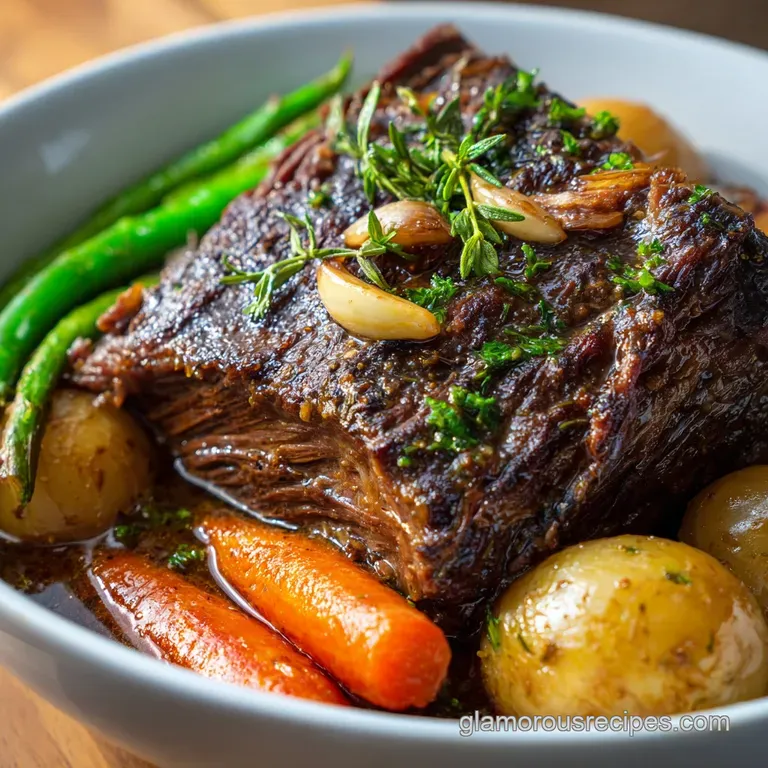
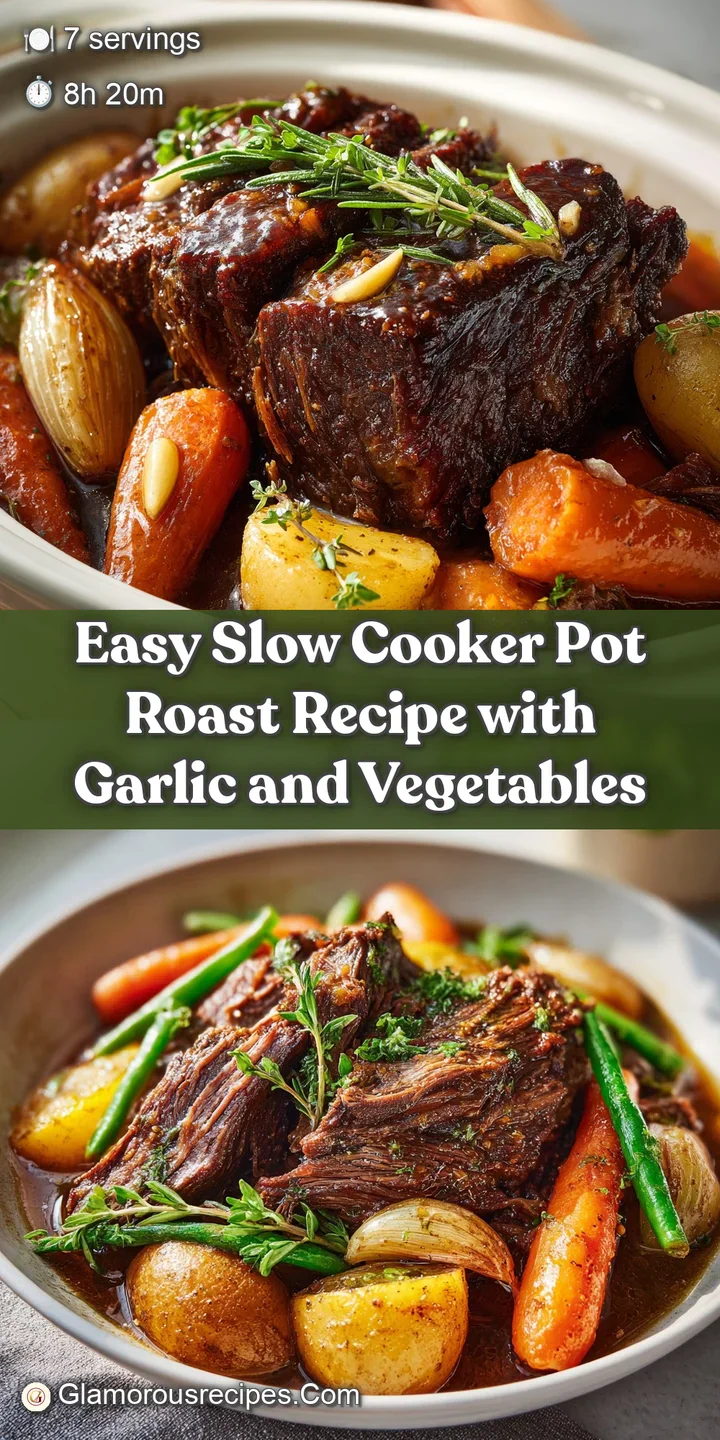
- Time: Active 20 minutes, Passive 8 hours, Total 8 hours 20 minutes
- Flavor/Texture Hook: Succulent, melt in-the mouth beef with savory garlic infused jus and tender root vegetables
- Perfect for: Stress free Sunday family dinners or cozy weeknight meal prep
- Easy Slow Cooker Pot Roast Recipe with Garlic and Vegetables
- Why This Slow Cooked Beef Works
- Deep Dive into Premium Pot Roast Ingredients
- Necessary Gear for Slow Cooking
- Step-By-Step Cooking Guide and Tips
- Fixing Common Pot Roast Cooking Issues
- Adjusting the Recipe for Diets
- Storing and Reusing Your Leftovers
- Best Sides for Slow Cooked Beef
- Kitchen Myths About Slow Cooking
- Recipe FAQs
- 📝 Recipe Card
Easy Slow Cooker Pot Roast Recipe with Garlic and Vegetables
Have you ever wondered why some pot roasts turn out like dry, stringy wood chips while others literally collapse under the weight of a fork? It is a question that haunted me for years until I realized that the slow cooker is not just a "set it and forget it" box; it is a precision tool for transformation.
When you walk into a house where a roast has been ticking away for seven hours, the aroma hits you like a warm hug it is the scent of onions caramelizing in beef fat and the earthy, woodsy notes of rosemary and thyme.
This article features our absolute favorite, no fuss Easy Slow Cooker Pot Roast Recipe with Garlic and Vegetables. I remember the first time I actually got the sear right; the kitchen was filled with a rhythmic sizzle that sounded like static on an old radio.
That deep, mahogany crust on the beef is the difference between a "good" meal and one that people talk about for weeks. It is about more than just food; it is about that feeling of coming together at the table, sharing a heavy ladle of jus, and feeling completely nourished.
We are going to walk through the steps to ensure your beef is never dry and your carrots never turn into mush. We will talk about why the choice of potato matters and how a tiny splash of balsamic vinegar can wake up the entire dish.
If you are looking for that classic, nostalgic flavor that reminds you of Sunday afternoons at grandma’s house, you are in the right place. Let’s get that slow cooker out and start something wonderful.
Why This Slow Cooked Beef Works
Most people think pot roast is a simple game of heat plus time, but there is a specific reason why we use the "low and slow" method for this particular cut. If you tried to grill a chuck roast like a steak, it would be nearly impossible to chew.
- Collagen Breakdown: The chuck roast is packed with tough connective tissue that only transforms into silky, rich gelatin when held at a steady temperature for several hours.
- Aromatic Infusion: Cooking in a sealed environment forces the volatile oils from the garlic, rosemary, and thyme into the fibers of the meat.
- The Searing Shield: Starting with a over high heat sear creates complex flavor compounds that would never develop in the moist environment of a slow cooker alone.
- Acid Brightness: A small amount of balsamic vinegar breaks through the heavy fats, acting as a bridge between the savory beef and the sweet carrots.
| Thickness of Roast | Internal Temp Target | Rest Time | Visual Finished Cue |
|---|---|---|---|
| 2 inches | 195°F - 205°F | 10 minutes | Meat pulls apart with a light fork tug |
| 3 inches | 195°F - 205°F | 15 minutes | Connective tissue looks translucent and soft |
| 4 inches | 195°F - 205°F | 20 minutes | The roast loses its structural integrity |
When you reach that 8 hours mark, the meat should not just be "cooked"; it should be transformed. The internal temperature of 195°F to 205°F is the sweet spot where the collagen has fully melted, providing that "melt in-the mouth" sensation we all crave.
Deep Dive into Premium Pot Roast Ingredients
The beauty of this Easy Slow Cooker Pot Roast Recipe with Garlic and Vegetables lies in its simplicity, but that means every single element has to pull its weight. We start with a 3.5 lb beef chuck roast, which is the gold standard for this dish because of its incredible marbling.
Unlike leaner cuts, the fat in the chuck keeps the meat lubricated during the long 480 minutes of cooking.
| Ingredient | Science Role | Pro Secret |
|---|---|---|
| Beef Chuck Roast | High collagen source | Always pat it dry with paper towels before searing to ensure a crust. |
| Baby Yukon Gold Potatoes | Waxy starch structure | These hold their shape better than Russets, which tend to disintegrate into the sauce. |
| Beef Bone Broth | Liquid heat conductor | Bone broth contains extra gelatin, adding a velvety body to the final jus. |
| Fresh Garlic Cloves | Sulfuric aromatic base | Smashing the cloves instead of mincing releases oils slowly over 8 hours. |
For the vegetables, I always reach for four large carrots and three stalks of celery. You want to cut them into thick chunks at least 2 inches because anything smaller will simply vanish into the liquid by the time the beef is ready.
The large yellow onion provides the foundation; as it cooks, its natural sugars release, thickening the broth slightly and adding a subtle sweetness that balances the salt.
If you find yourself wanting to experiment with other cuts, you might consider my slow cooked oven brisket which uses a similar philosophy of patience. For this pot roast, however, the chuck is king. Don't forget the 2 tbsp of Worcestershire sauce and 1 tbsp of balsamic vinegar; these provide the "umami" and acidity that make the beef flavor pop.
Necessary Gear for Slow Cooking
You do not need a laboratory full of gadgets to make a world class roast, but a few specific tools will make the process much smoother. First and foremost, you need a 6 quart or 7 quart slow cooker.
If your cooker is too small, the ingredients will be overcrowded, and the heat won't circulate properly, leading to unevenly cooked vegetables.
A heavy duty cast iron skillet (like a Lodge) is your best friend for the searing stage. Cast iron retains heat better than stainless steel, allowing you to get that 5-7 minutes of hard searing per side without the pan dropping in temperature.
You will also need a pair of sturdy tongs to flip the 3.5 lb roast; trying to use a fork will just pierce the meat and let juices escape.
Chef's Tip: Use a "fat separator" pitcher when serving. It allows you to pour off the rich, concentrated jus while leaving the heavy grease behind, resulting in a cleaner, more vibrant flavor.
Finally,, a sharp chef's knife is essential for prepping the vegetables. Since we are cutting carrots and celery into large batons and wedging the onion, you want clean cuts that expose enough surface area to absorb the broth but stay intact.
Having your prep done before the pan hits the heat makes the 20 minutes of active work feel like a breeze.
step-by-step Cooking Guide and Tips
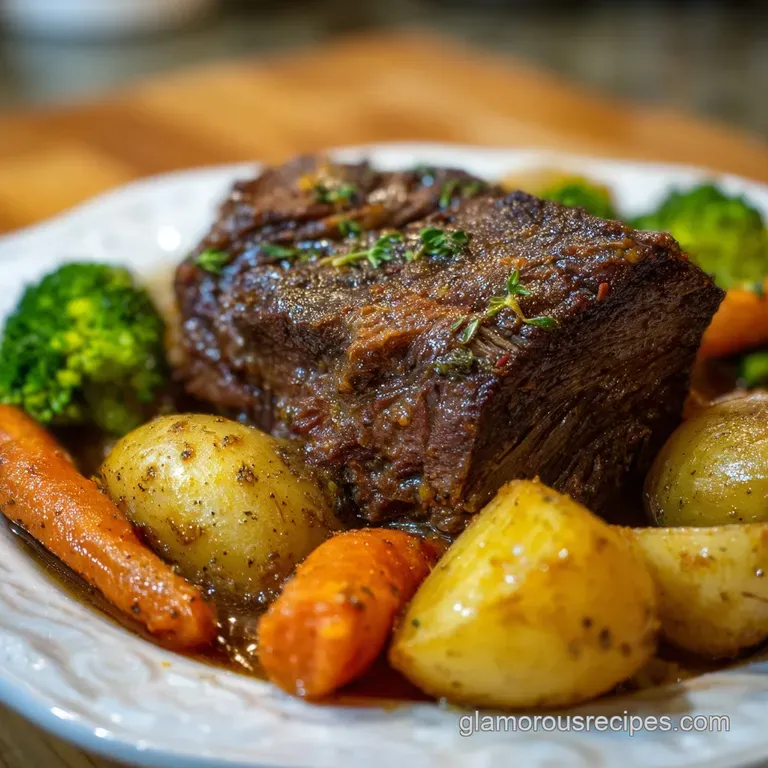
1. The over High heat Sear
Start by patting your 3.5 lb beef chuck roast completely dry. Moisture is the enemy of a good sear; if the meat is wet, it will steam rather than brown. Season every inch with the 2 tsp of kosher salt and 1 tsp of coarse black pepper.
Heat 2 tbsp of avocado oil in your skillet over medium high heat until it just starts to shimmer. Place the beef in the pan and listen for that aggressive, crackling sizzle. Cook for 5-7 minutes per side. You are looking for a deep mahogany color, not just a light tan.
2. Layer the Foundation
While the meat sears, prep your vegetables. Place the 1.5 lbs of baby Yukon Gold potatoes, carrots, celery, and onion wedges into the bottom of the slow cooker. I like to keep the potatoes at the very bottom where they can submerge in the liquid and become incredibly creamy.
Add the 8 smashed garlic cloves directly into the mix.
3. Build the Braising Liquid
In a large measuring cup, whisk together the 1.5 cups of beef bone broth, 2 tbsp of Worcestershire sauce, and 1 tbsp of balsamic vinegar. This mixture is the lifeblood of the dish. Once the beef is done searing, place it directly on top of the bed of vegetables.
4. Deglaze the Skillet (Optional but Recommended)
If you have time, pour a splash of your broth mixture into the hot skillet used for searing. Scrape up all those brown bits (the fond) with a wooden spoon and pour that liquid gold into the slow cooker. This ensures no flavor is left behind.
5. The Long Transformation
Lay the 2 sprigs of rosemary and 4 sprigs of thyme over the roast. They will wilt and release their woodsy oils directly into the meat. Cover the pot and set it to Low for 8 hours.
Note: Using the low setting is crucial for the most tender results as it allows the fat to render slowly.
6. The Final Check
At the 8 hour mark, the meat should be fork tender. If you press a fork into the side and twist, the fibers should easily slide apart. The vegetables should be tender but not disintegrated. The aroma at this point should be intoxicating a mix of savory beef, roasted garlic, and herbs.
7. Shred and Serve
Remove the herb stems and discard them. You can either slice the roast into thick slabs or use two forks to pull it into large, succulent chunks. Serve it in shallow bowls, ensuring everyone gets plenty of potatoes and carrots, and finish with a heavy ladle of the naturally thickened jus from the bottom of the pot.
Fixing Common Pot Roast Cooking Issues
Even with the best Easy Slow Cooker Pot Roast Recipe with Garlic and Vegetables, things can occasionally go sideways. The most common complaint is tough meat. Usually, this means one of two things: the meat hasn't cooked long enough to break down the collagen, or you used a cut that was too lean.
Why Your Beef is Tough
If you check your roast at 6 hours and it feels rubbery, don't panic. It simply hasn't reached the temperature where the magic happens. Put the lid back on and give it the full 8 hours.
Collagen doesn't begin to truly melt until the internal temperature hits about 190°F. Patience is the primary ingredient here.
| Problem | Root Cause | Solution |
|---|---|---|
| Thin, watery sauce | Too much liquid or low gelatin | Whisk 1 tbsp cornstarch with cold water and stir in for the last 30 mins. |
| Mushy vegetables | Cut too small or placed on top | Cut veggies into 2 inch chunks and place under the meat next time. |
| Bland flavor | Undersalted or no sear | Add a splash of soy sauce or more balsamic vinegar at the very end. |
Common Mistakes Checklist
- ✓ Never skip the searing step; it provides 50% of the final flavor profile.
- ✓ Don't open the lid during the first 6 hours; every time you do, you lose 15-20 minutes of heat.
- ✓ Ensure the meat is patted dry before it hits the oil, or you'll never get that crust.
- ✓ Use a waxy potato (Yukon Gold) rather than a starchy one (Russet) to prevent a "grainy" sauce.
- ✓ Always use fresh garlic; the jarred minced version lacks the aromatic punch needed for a long cook.
If you find your sauce is a bit too greasy, let it sit for five minutes so the fat rises to the top, then skim it off with a large spoon. The goal is a velvety, rich liquid that coats the back of a spoon. If you enjoy this texture, you'll also love my scalloped potatoes recipe which focuses on that same silky, golden finish.
Adjusting the Recipe for Diets
One of the reasons I love this recipe is how naturally "clean" it is. However, we all have different needs depending on our lifestyle. This dish is inherently gluten-free as long as your Worcestershire sauce and bone broth are certified, but there are other ways to tweak it.
For a Low Carb Version
If you are watching your carb intake, the potatoes are the main culprit. You can easily swap the Yukon Golds for large chunks of cauliflower or radishes. Interestingly, radishes lose their "bite" when slow cooked and take on a texture very similar to a potato.
For a Whole30-Compliant Meal
To make this Whole30, you need to ensure your Worcestershire sauce doesn't contain sugar or molasses. You can also replace it with coconut aminos. Use extra bone broth instead of any wine based liquids, and you are good to go. The 3.5 lb beef chuck roast is a perfect protein source for this lifestyle.
| Original Ingredient | Substitute | Why It Works |
|---|---|---|
| Yukon Gold Potatoes | Cauliflower Florets | Lowers carbs significantly. Note: Add these in the last 2 hours to avoid mush. |
| Beef Bone Broth | Red Wine (1/2 cup) | Adds a deep, French style richness and acidity. |
| Avocado Oil | Ghee or Beef Tallow | Higher smoke point and adds a buttery, traditional flavor. |
Storing and Reusing Your Leftovers
Pot roast is actually one of those rare dishes that tastes even better on day two. As it sits in the fridge, the flavors continue to meld and the beef absorbs more of the garlic and herb scented jus.
Storage: Store leftovers in an airtight container in the fridge for up to 4 days. Keep the meat submerged in the liquid to prevent it from drying out. When you go to eat it, you'll notice the fat has solidified on top; just scrape that off and discard it before reheating.
Freezing: This recipe freezes beautifully for up to 3 months. I recommend freezing the beef and broth together, but be aware that the potatoes and carrots might get slightly softer upon thawing. To reheat, let it thaw in the fridge overnight and then warm it through on the stove over low heat.
Zero Waste: Don't throw away those leftover bits of beef! Shred the remaining roast and use it for "Pot Roast Tacos" with some pickled onions and lime. Or, better yet, toss the shredded meat and leftover carrots into a pot with some extra broth and a handful of barley for a quick, soul warming beef barley soup.
Even the herb stems can be saved in a bag in the freezer to add to your next batch of homemade stock.
Best Sides for Slow Cooked Beef
While this Easy Slow Cooker Pot Roast Recipe with Garlic and Vegetables is a complete meal on its own, sometimes you want a little something extra to round out the plate. Because the roast is so rich and savory, I usually look for sides that offer a bit of brightness or a different texture.
A simple side of crusty sourdough bread is non negotiable in our house. You need something to mop up every last drop of that garlic infused jus. If you want something green, a crisp arugula salad with a lemon vinaigrette provides a much needed acidic contrast to the heavy beef.
For a Classic Pairing
If you skipped the potatoes in the slow cooker, serving the roast over a bed of creamy polenta or even buttered egg noodles is a total classic. The noodles act like a sponge for the sauce, creating a dish that feels incredibly indulgent.
For a Texture Contrast
Try serving some roasted Brussels sprouts with a bit of balsamic glaze on the side. The char and crunch of the sprouts play off the soft, tender texture of the beef and carrots perfectly. It turns a simple family dinner into something that feels like a feast.
Kitchen Myths About Slow Cooking
There are a few "rules" out there that people swear by, but I've found they don't always hold up in reality. Let's clear some things up so you can cook with confidence.
Myth 1: You must submerge the meat in liquid. Actually, if you submerge the roast entirely, you end up boiling the meat rather than braising it. This can lead to a "gray" look and a washed out flavor.
You only need about 1.5 cups of liquid the meat and vegetables will release their own juices, creating a flavorful pool of jus without drowning the ingredients.
Myth 2: "High" is the same as "Low" but faster. This is a big one. While "High" will eventually cook the meat, it doesn't give the collagen enough time to break down gracefully.
Cooking a 3.5 lb roast on High for 5 hours is okay in a pinch, but the texture will never be as "velvety" as the 8 hour Low setting. Slow and steady really does win the race here.
Myth 3: Adding wine makes it "fancy." While wine adds flavor, it isn't necessary for a great roast. The combination of bone broth, Worcestershire, and balsamic vinegar provides all the depth and acidity you need.
Don't feel like you have to run to the store for a bottle of Cabernet just to make a great dinner.
Cooking is all about trust trusting the ingredients, trusting the heat, and trusting your own nose. When you smell that garlic and rosemary drifting through the house, you'll know you've done something right. Enjoy every bite!
Recipe FAQs
Why is the searing step essential for this roast?
Searing creates a deep flavor profile. Browning the surface of the beef in avocado oil for 5-7 minutes per side develops a mahogany colored crust that provides 50% of the dish's final depth.
How to handle the slow cooker lid during the 8-hour cooking cycle?
Keep the lid closed for at least the first 6 hours. Opening the lid releases essential trapped heat, which can set your cooking time back by 15-20 minutes each time you check on it.
Is it necessary to use a specific type of potato for this recipe?
Yes, stick to waxy varieties like Yukon Gold. Using a starchy potato like a Russet will cause the vegetables to break down too much and result in a grainy, unpleasant sauce texture.
How to ensure the beef reaches fork tender consistency?
Cook on Low for 8 hours without interruption. This slow, steady heat is required to fully transform the connective tissue into gelatin, which makes the meat shred effortlessly.
How to adjust the recipe if the sauce feels too greasy?
Let the finished dish sit undisturbed for five minutes. This allows the fat to rise to the surface so you can easily skim it off with a spoon before serving, a technique similar to the creamy sauce balance needed when emulsifying fats in other dishes.
Can I use jarred minced garlic instead of fresh cloves?
No, avoid jarred versions. Fresh, smashed garlic cloves are necessary to provide the aromatic intensity required to hold up against the long cook time and bold beef bone broth.
How to store leftovers for the best results?
Store meat fully submerged in the cooking liquid. Keeping the beef covered in the jus prevents it from drying out in the fridge for up to 4 days, ensuring it stays flavorful for your next meal.
Slow Cooker Pot Roast
Ingredients:
Instructions:
Nutrition Facts:
| Calories | 724 kcal |
|---|---|
| Protein | 46g |
| Fat | 47g |
| Carbs | 26g |
| Fiber | 3.5g |
| Sugar | 5.8g |
| Sodium | 743mg |
