Roasted Tomatillo Salsa Verde: Smoky and Zesty
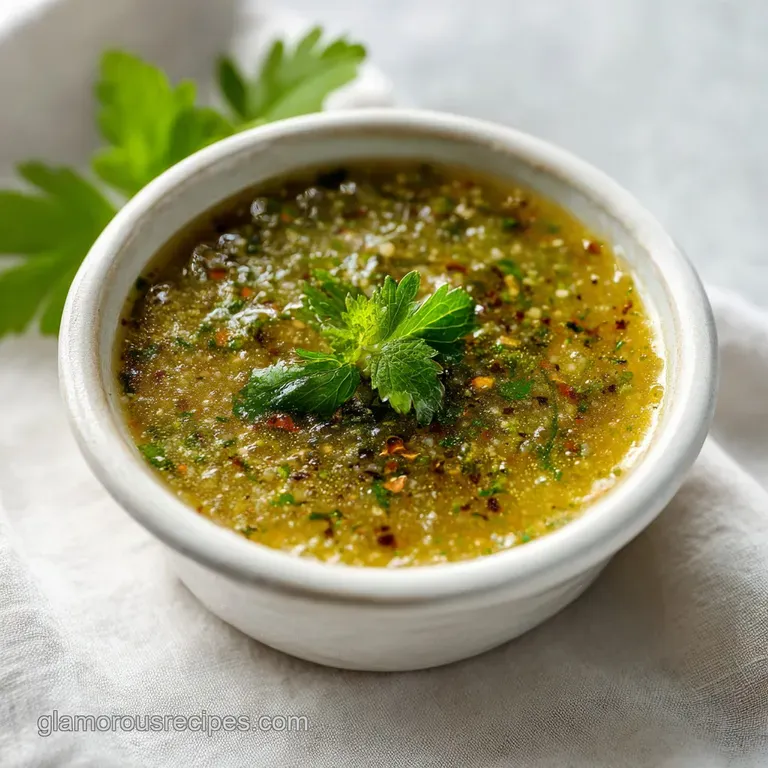
- Time: Active 5 minutes, Passive 10 minutes, Total 15 minutes
- Flavor/Texture Hook: Smoky, tangy, and velvety with charred skin bits
- Perfect for: Weeknight tacos, meal prep, or authentic enchilada sauce
- How to Make This Vibrant Salsa Verde Recipe
- Why Blistering the Tomatillos Changes Everything
- Selecting Your Ingredients for Optimal Flavor
- Tools for a Perfect Texture
- The Step-by-Step Roasted Tomatillo Guide
- Fixing Bitter or Watery Salsa Results
- Simple Ways to Customize Your Sauce
- Storage Tips and Zero Waste Ideas
- Best Dishes for Pairing Salsa Verde
- Recipe FAQs
- 📝 Recipe Card
How to Make This Vibrant Salsa Verde Recipe
If you have ever stood over a blender wondering why your homemade salsa tastes like raw, grassy water, you are likely falling for the big myth of the "raw only" method. Many people think that to keep the color bright, you have to leave everything raw or, worse, boil the life out of the tomatillos until they turn into mush.
I used to do exactly that, and it always felt like something was missing. The secret isn't in a special spice or a secret bottled ingredient, it is all about the high heat of your broiler.
When you slide that tray of sticky, green tomatillos under a screaming hot flame, something magical happens. The skins don't just cook, they start to sizzle and pop, eventually developing these dark, blackened blisters that look like they belong in a professional kitchen. That char is where the depth lives.
It cuts through the natural tartness of the fruit and creates a complexity that raw salsa simply cannot touch. Trust me, once you smell those peppers roasting, you will never go back to the "dump and blend" raw method again.
We are going to walk through how to balance that intense heat with fresh lime and cilantro to create something that tastes like it came from a high end taqueria. This salsa verde recipe is about more than just heat, it is about creating a real food staple that makes everything from eggs to grilled chicken taste incredible.
You'll find that the texture is silky yet substantial, and the flavor is so much more layered than anything you can find in a jar at the store.
Why Blistering the Tomatillos Changes Everything
Why the Skins Need to Char: The high heat of the broiler breaks down the tough cellular walls of the tomatillo, releasing natural sugars that caramelize and soften the intense, sharp acidity. This creates a smoky depth that balances the tartness without needing added sweeteners.
Pectin Power: Tomatillos are naturally high in pectin, which acts as a thickening agent when the fruit is heated and then blended. This is why roasted salsa has a rich, velvety body that clings to chips, whereas raw salsa often separates and becomes watery on the plate.
Mellowing the Aromatics: Roasting the onion and garlic alongside the peppers takes the "sting" out of them. Instead of a harsh, biting raw garlic flavor, you get a creamy, nutty sweetness that weaves through the sauce rather than overpowering it.
| Method | Time | Texture | Best For |
|---|---|---|---|
| High Broiler | 10 minutes | Smoky, thick, charred | Tacos, chips, enchiladas |
| Stovetop Boiling | 12 minutes | Soft, thin, mild | Quick sauces, stews |
| Raw/Fresh | 5 minutes | Sharp, watery, crunchy | Garnish, refreshing dips |
Choosing the broiler method is almost always the winner for me because it mimics the flavor of a traditional comal without requiring you to stand over the stove for an hour. The oven does all the heavy lifting, and the result is a sauce that feels far more luxurious than its 15 minutes total time would suggest. If you are serving this alongside a refreshing Zesty Texas Caviar, you’ll have a spread that covers all the flavor bases from smoky to sweet.
Selecting Your Ingredients for Optimal Flavor
Building a great salsa starts with understanding your produce. Tomatillos are not just green tomatoes, they are actually part of the gooseberry family and come wrapped in a papery husk. When you peel that husk back, you will notice a sticky film on the skin. Don't worry, that is completely normal.
It’s actually a natural deterrent for bugs, but you definitely want to rinse it off before roasting so your oil and salt actually stick to the fruit.
| Ingredient | Science Role | Pro Secret |
|---|---|---|
| Fresh Tomatillos | Provides acid and pectin | Look for firm ones that fill the husk completely |
| Jalapeños | Capsaicin for heat | Roll them on the counter before roasting to release oils |
| White Onion | Sulfur compounds for bite | Keep wedges thick so they char without burning through |
| Fresh Garlic | Allicin for pungency | Roast in the skin to steam the inside into a paste |
For this salsa verde recipe, we are using 1 lb fresh tomatillos and 2 large jalapeños. If you are sensitive to heat, you can easily scrape the seeds out of the jalapeños after they roast. However, roasting them whole with the stems removed helps keep the flesh intact so they don't dry out.
The 0.5 medium white onion and 3 large cloves of garlic provide the aromatic backbone. I always insist on using white onion here because it has a sharper, cleaner finish than yellow or red onions, which can get a bit too sweet when roasted.
Don't skip the 1 tbsp of neutral oil like avocado or grapeseed. You need that fat to conduct the heat of the broiler and ensure the skins actually "shatter" and blister rather than just steaming. A nutritionist will tell you that a little healthy fat also helps your body absorb the vitamins in the greens.
Finally, the 0.5 cup fresh cilantro and 1 tbsp fresh lime juice are added at the very end. This "cold finish" ensures the salsa stays vibrant and doesn't turn a muddy brown color.
Tools for a Perfect Texture
You don't need a kitchen full of gadgets, but a few specific items make this much easier. A sturdy baking sheet is essential, and I always recommend lining it with foil. Tomatillos release a lot of sticky juice when they burst under the heat, and cleaning that off a bare pan is a nightmare you don't want.
A pair of long tongs is also helpful for flipping the vegetables halfway through the roasting process without getting your hands too close to the broiler.
For the blending phase, a high speed blender will give you a very smooth, restaurant style sauce. However, if you prefer something with a bit more soul and texture, a food processor or even a mortar and pestle (molcajete) is the way to go.
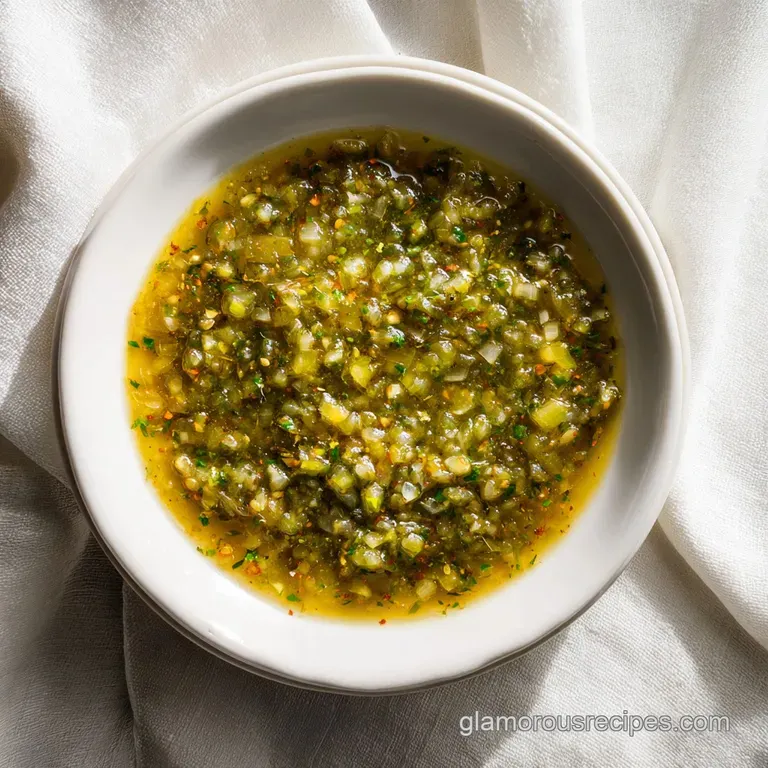
Using a food processor allows you to pulse the mixture just a few times, leaving small flecks of charred skin and bits of onion visible. This gives the salsa a rustic, homemade look that I personally find much more appealing than a perfectly uniform puree.
The step-by-step Roasted Tomatillo Guide
- Set your oven rack to the highest position, usually about 4 to 6 inches from the heat source, and turn the broiler to High.
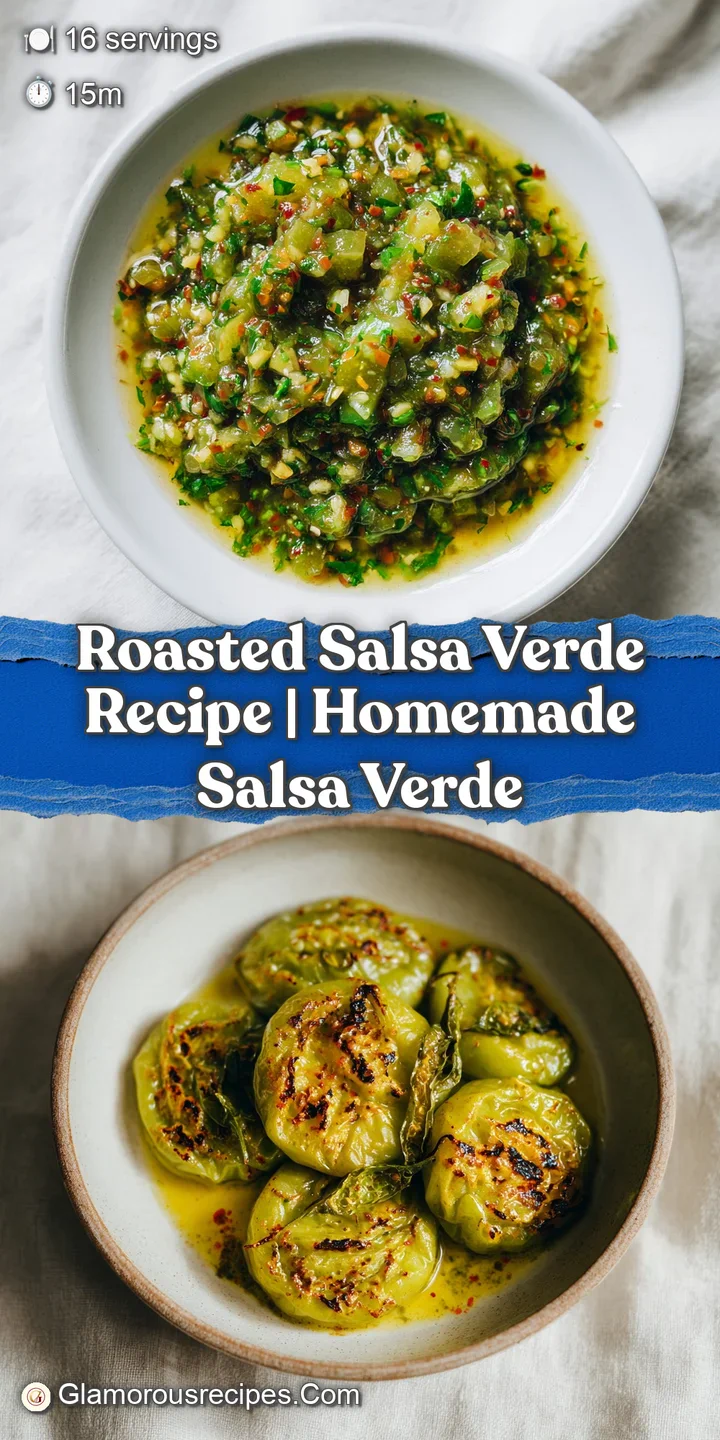
- Arrange the 1 lb husked and rinsed tomatillos, 2 jalapeños, 0.5 white onion wedges, and 3 unpeeled garlic cloves on a foil lined baking sheet.
- Drizzle with 1 tbsp neutral oil and toss lightly to ensure everything is coated, which prevents the skins from drying out before they char.
- Broil for 5 to 8 minutes until the tomatillo skins are charred and blistered, making sure to flip them with tongs at the halfway mark.
- Remove the tray from the oven and let the vegetables sit for 3 minutes to allow the juices to settle and the garlic to cool slightly.
- Squeeze the roasted garlic out of its papery skin directly into your blender, discarding the scorched husks.
- Add the charred tomatillos, onions, and jalapeños (remove seeds now if you want a milder sauce) into the blender along with any juices that collected on the foil.
- Throw in the 0.5 cup cilantro, 1 tbsp lime juice, 1 tsp sea salt, and 0.5 tsp ground cumin.
- Pulse the mixture in short bursts until it reaches your preferred consistency, whether that is chunky or silky smooth.
- Taste the sauce while it is still warm and add an extra pinch of salt if the flavors don't "pop" yet.
When you are pulsing the blender, keep an eye on the color. You want to see those beautiful dark flecks of charred skin distributed throughout the light green sauce. This is what gives the salsa verde recipe its signature look.
If you over blend, the sauce can become a bit frothy because of the pectin and air, but don't panic. If it gets foamy, just let it sit for a few minutes or stir it vigorously with a spoon to knock the air bubbles out.
This sauce is excellent when served warm, but the flavors actually deepen as it cools. If you have the time, let it sit on the counter for 30 minutes before serving. This allows the lime juice to macerate the cilantro and the salt to fully penetrate the roasted vegetables. It’s a great topping for a Grilled Shrimp Bowl, where the acidity of the tomatillos cuts through the richness of the avocado perfectly.
Fixing Bitter or Watery Salsa Results
Why Your Salsa Tastes Bitter
Sometimes tomatillos can be unexpectedly bitter, especially if they were picked too early or if they are very small. This bitterness can be amplified by the charred skins if you overdo the roasting. The easiest way to fix this is with a tiny pinch of sugar or a splash of agave nectar.
You aren't trying to make it sweet, you are just using the sugar to neutralize the bitter alkaloids. Another trick is to ensure you used enough salt; salt is the ultimate bitterness suppressor.
Rescuing a Watery Consistency
If your salsa looks more like a soup than a dip, it usually means the tomatillos were particularly juicy. Since we are using 1 lb of fresh tomatillos, the water content can vary. To fix this, you can pour the blended salsa into a small saucepan and simmer it over medium heat for 5 to 10 minutes.
This evaporates the excess water and concentrates the flavors. Because of the high pectin content we talked about earlier, the sauce will thicken up significantly as it reduces and then cools.
| Problem | Root Cause | Solution |
|---|---|---|
| Too Much Heat | Jalapeño ribs/seeds included | Stir in a spoonful of sour cream or more lime |
| Dull Flavor | Lack of acidity or salt | Add another squeeze of lime and a pinch of salt |
| Too Thick | High pectin concentration | Whisk in a tablespoon of water or chicken broth |
A common mistake I once made was forgetting to wash the tomatillos after husking. That sticky residue can actually impart a weird, soapy taste to the final sauce. Always give them a good scrub under lukewarm water.
Common Mistakes Checklist
- ✓ Rinsing the "sticky" film off the tomatillos (prevents off flavors).
- ✓ Roasting the garlic in the skin (prevents the garlic from turning bitter and burnt).
- ✓ Using white onion instead of yellow (keeps the flavor sharp and clean).
- ✓ Including the pan juices in the blender (that’s where all the concentrated flavor is).
- ✓ Adding cilantro and lime after roasting (keeps the color bright and fresh).
Simple Ways to Customize Your Sauce
While this salsa verde recipe is perfect in its classic form, you can easily tweak it to fit your mood. For a creamy salsa verde recipe, you can blend in half a ripe avocado at the very end. This creates a pale green, velvety sauce that is essentially a hybrid between salsa and guacamole.
It’s incredible on fish tacos or as a dip for sturdy vegetable sticks.
If you want to increase the heat profile, swap one of the jalapeños for a serrano pepper. Serranos are smaller but pack a much more significant punch. Conversely, if you want a smoky "Salsa Roja" vibe but with green tomatillos, you can add a chipotle pepper in adobo sauce to the blender.
This will turn the sauce a brownish orange but will add an incredible earthy heat that pairs beautifully with grilled steak.
| Premium | Budget | Flavor Impact | Savings |
|---|---|---|---|
| Fresh Key Limes | Standard Lime Juice | Slightly less floral but still bright | Save $2 |
| Organic Cilantro | Flat leaf Parsley | Different herb profile; less "soapy" for some | Save $1 |
| Avocado Oil | Vegetable Oil | Less buttery mouthfeel but works fine | Save $3 |
Storage Tips and Zero Waste Ideas
Storing this salsa is easy because the high acidity acts as a natural preservative. You can keep it in an airtight glass jar in the fridge for up to 7 days. In fact, many people prefer it on day two or three because the garlic and cumin have had more time to mingle.
If you find the salsa has thickened too much in the fridge (thanks to that pectin!), just give it a good stir or add a teaspoon of water to loosen it up.
For long term storage, this salsa freezes surprisingly well. I like to freeze it in silicone ice cube trays. Once frozen, pop the cubes into a freezer bag. This way, you can grab just one or two cubes to thaw whenever you need a quick flavor boost for a taco or a bowl of rice.
It will stay fresh in the freezer for up to 3 months.
Don't toss those cilantro stems! While the recipe calls for the leaves and tender stems, the tougher bottom stems are packed with flavor. You can toss them into a freezer bag with other veggie scraps like the onion ends to make a flavorful vegetable broth later.
If you have leftover salsa that is starting to lose its brightness, use it as a braising liquid for chicken thighs. The acid will tenderize the meat while the roasted flavors infuse the whole dish.
Best Dishes for Pairing Salsa Verde
This salsa is a workhorse in the kitchen. For a quick weeknight dinner, use it as a base for enchiladas suizas. Just roll shredded chicken into corn tortillas, drench them in this salsa mixed with a little heavy cream or Greek yogurt, top with cheese, and bake.
It’s a real food version of a comfort food classic that feels much lighter than the canned alternatives.
It also makes a brilliant breakfast. Try making "Chilaquiles Verdes" by simmering some sturdy tortilla chips in the salsa for a minute until they are slightly softened but still have some crunch. Top with a fried egg, some crumbled cotija cheese, and a few slices of radish.
The way the runny yolk mixes with the tart, smoky salsa is something you have to experience to understand.
Finally,, consider using this as a marinade. Because of the lime juice and the enzymes in the tomatillos, it works as a fantastic tenderizer for tougher cuts of meat like flank steak or pork shoulder. Just coat the meat in the salsa for 2 to 4 hours before grilling.
The sugars in the roasted vegetables will char even further on the grill, creating a beautiful crust. Whether you're using it as a dip, a sauce, or a marinade, this salsa verde recipe is a staple that deserves a permanent spot in your rotation.
Recipe FAQs
What are common salsa verde mistakes?
Failing to rinse the sticky film off the tomatillos is the most frequent error. This residue causes an unpleasant, bitter aftertaste that ruins the final flavor profile.
How to make basic salsa verde?
Broil your tomatillos, jalapeños, onion, and garlic on high for 5 8 minutes. Blend these charred ingredients with cilantro, lime juice, salt, and cumin until you reach your preferred texture.
Does salsa help lower cholesterol?
No, there is no clinical evidence that salsa consumption directly lowers cholesterol. While it is a low-calorie, vegetable based condiment, it should be enjoyed as part of a balanced diet rather than a medical treatment.
What is the difference between salsa verde and green tomatillo salsa?
None, they are the same thing. The term "salsa verde" simply translates to "green sauce," which in Mexican cuisine almost exclusively refers to a sauce based on roasted tomatillos.
Is it true I must roast the garlic without the skin?
No, this is a common misconception. You must keep the skins on while roasting to protect the cloves from burning and turning bitter, which ruins the delicate garlic flavor.
How to store leftover salsa verde?
Keep it in an airtight glass jar in the refrigerator for up to 7 days. The natural acidity of the tomatillos acts as a preservative, and if you enjoy layering flavors in your meals, you can apply this same flavor melding technique to other herb forward dishes.
Should I include the charred juices left on the baking sheet?
Yes, always pour the pan juices into your blender. Those juices contain a concentrated amount of the roasted flavor profile, making them essential for a deeply savory salsa.
Roasted Salsa Verde
Ingredients:
Instructions:
Nutrition Facts:
| Calories | 20 kcal |
|---|---|
| Protein | 0.4 g |
| Fat | 1.2 g |
| Carbs | 2.5 g |
| Fiber | 0.7 g |
| Sugar | 1.1 g |
| Sodium | 147 mg |
