Macaroni and Cheese: Velvety Stovetop Style
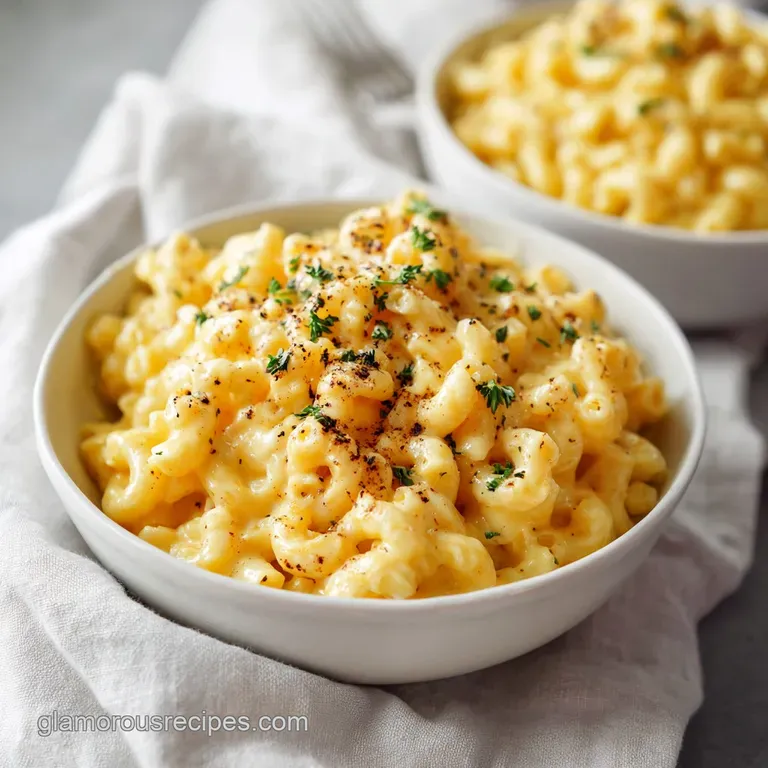
- Time: Active 15 minutes, Passive 5 minutes, Total 20 minutes
- Flavor/Texture Hook: Silky, sharp, and intensely velvety
- Perfect for: Sunday dinners, quick weeknight cravings, or beginner friendly holiday sides
- How to Make the Creamiest Macaroni and Cheese
- Essential Preparation Details for Your Comfort Food Dinner
- Selecting the Finest Elements for Liquid Gold Sauce
- Necessary Kitchen Tools for a Smooth Cooking Process
- Transforming Simple Elements into a Golden Masterpiece
- Overcoming Common Prep Hurdles and Texture Problems
- Simple Ways to Customize Your Cheese Sauce Experience
- Storing and Reheating for Maximum Freshness and Flavor
- Perfect Side Dishes to Complement Your Cheesy Meal
- Recipe FAQs
- 📝 Recipe Card
How to Make the Creamiest Macaroni and Cheese
I still remember the Sunday dinners at my grandmother’s house where the air was thick with the scent of toasted spices and bubbling dairy. She never touched a blue box in her life, and she certainly didn't believe in skim milk.
There was something sacred about the way she’d stand over the stove, whisking until the sauce looked like melted satin. That’s the feeling I wanted to capture here, but without the twenty steps of a traditional baked version.
Most people think you need a complex flour base to get that thick sauce, but I learned the hard way that a roux often leads to a grainy, "pasty" mouthfeel if you aren't careful. One afternoon, after a failed attempt at a fancy béchamel, I decided to just simmer heavy cream with my spices and fold the cheese straight in.
The result was a revelation. It was smoother, richer, and had a much deeper cheese flavor because there was no flour masking the sharpness. This is the recipe we make when we need a hug in a bowl, and trust me, you'll never go back.
Essential Preparation Details for Your Comfort Food Dinner
Before we get the water boiling, let's look at why this specific method produces such a superior result compared to the standard stovetop versions.
- Casein Emulsion: The proteins in the heavy cream act as a natural emulsifier, binding the fats from the cheese into a stable, glossy sauce without the need for starch.
- Residual Heat Strategy: By folding the cheese into the hot cream off the burner, we prevent the proteins from tightening up and becoming oily or "stringy."
- Hygroscopic Pasta: Cooking the macaroni just to al dente allows the noodles to absorb a small amount of the sauce as they sit, creating a unified dish rather than just "noodles with liquid."
Choosing Your Preferred Cooking Method
| Method | Time | Texture | Best For |
|---|---|---|---|
| One Pot Stovetop | 20 minutes | Silky and loose | Immediate serving, families with kids |
| Oven Finished | 40 minutes | Firm with crispy edges | Holiday potlucks, meal prepping |
| Slow Cooker | 3 hours | Soft and dense | Large parties, set it and forget it |
While the stovetop method is my go to for speed, the oven version has its place when you want that "shatter" of a breadcrumb topping. However, for sheer velvety luxury, the stovetop wins every single time. It keeps the cheese at its peak melting point without the risk of drying out in the oven's heat.
Selecting the Finest Elements for Liquid Gold Sauce
The magic of this dish lies in the quality of the dairy. Since we aren't using many ingredients, each one has a huge job to do. If you've ever enjoyed the complex flavors in a Pappadeaux Mardi Gras recipe, you know that the balance of heavy cream and spices is what separates a good pasta from a legendary one.
| Ingredient | Science Role | Pro Secret |
|---|---|---|
| Sharp Cheddar | Flavor & Fat | Use "extra sharp" for a tang that cuts through the heavy cream. |
| Heavy Cream | Emulsifier | Never use fat free; the high fat content prevents the sauce from breaking. |
| Dry Mustard | Flavor Booster | It contains lecithin which helps the fat and water stay together. |
| Pasta Water | Starch Binder | A splash of the cloudy water creates a bridge between noodle and sauce. |
Using block cheese is the single most important rule in my kitchen. Pre shredded bags are coated in potato starch or cellulose to prevent clumping, but that same coating prevents the cheese from melting into a smooth liquid. It leaves you with a gritty, sandy texture that no amount of whisking can fix.
Ingredients and Substitutes
- 1 lb elbow macaroni: Use shells or cavatappi for more "sauce catching" surface area.
- 12 oz sharp Cheddar cheese: Smoked Gouda adds a lovely depth if you want a twist. Why this? Sharpness provides the necessary acidic punch to balance the rich, fatty cream.
- 4 oz Monterey Jack cheese: Low moisture Mozzarella works for a similar melt. Why this? It provides the classic "pull" and a mild, buttery background note.
- 1 cup heavy cream: Half and half can work, but the sauce will be thinner.
- 0.5 cup whole milk: 2% is okay, but avoid skim at all costs.
- 4 tbsp unsalted butter: Salted butter works, just reduce the added sea salt.
- 1 tsp dry mustard powder: A teaspoon of Dijon mustard is a great liquid substitute.
- Spices (Paprika, Cayenne, Salt, Pepper): Adjust cayenne to your heat preference.
Necessary Kitchen Tools for a Smooth Cooking Process
You don't need much, but a heavy bottomed pot (like a Dutch oven) is your best friend here. It holds heat evenly, which is vital when you're trying to melt 16 ounces of cheese without scorching the bottom. A sturdy whisk is also a must have for the cream reduction phase to keep the milk solids from sticking.
Chef's Tip: Freeze your blocks of cheese for 10 minutes before grating. It firms up the fat, making it much easier to shred without the cheese turning into a mushy mess in your hand.
Once your tools are ready, the process moves fast. Have your spices measured out and your cheese grated before the pasta even hits the water. This isn't a recipe where you want to be shredding cheese while the noodles are draining; that leads to cold pasta and a broken sauce.
Transforming Simple Elements into a Golden Masterpiece
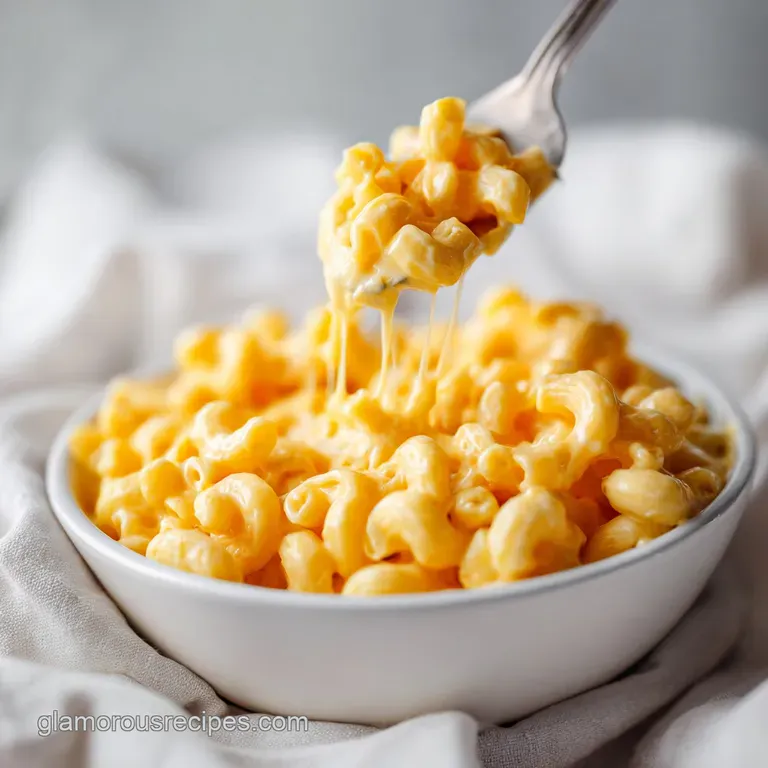
- Boil the water. Fill a large pot with water and 1 tbsp sea salt. Wait for a rolling boil before adding the 1 lb elbow macaroni.
- Cook al dente. Boil the noodles for about 7 minutes. Note: They should have a slight bite because they will soften further in the sauce.
- Save the liquid. Scoop out 1/2 cup of the starchy pasta water before draining the noodles.
- Reduce the cream. In the same pot, add 1 cup heavy cream, 0.5 cup whole milk, and 4 tbsp cubed butter over medium heat.
- Infuse the base. Whisk in the 1 tsp mustard powder, 0.5 tsp smoked paprika, 0.25 tsp cayenne, 0.5 tsp salt, and 0.25 tsp black pepper. Breathe in the toasty, sharp aroma as the spices bloom in the fat.
- Simmer and thicken. Let the mixture bubble gently for 3-4 minutes until it coats the back of a spoon.
- Emulsify the cheese. Turn the heat to low. Add the 12 oz sharp Cheddar and 4 oz Monterey Jack in three separate batches, whisking constantly.
- Combine. Return the cooked macaroni to the pot. Listen for the "squelch" sound as you fold the noodles into the velvety sauce.
- Adjust consistency. If it looks too thick, add a tablespoon or two of the reserved pasta water.
- Final rest. Let the dish sit for 2 minutes off the heat until the sauce clings tightly to every curve of the macaroni.
Overcoming Common Prep Hurdles and Texture Problems
Even the best of us have ended up with a sauce that just isn't behaving. Most issues come down to temperature control or moisture balance. If your sauce looks oily, the heat was likely too high, causing the proteins to contract and "squeeze" out the fat.
Why Your Cheese Sauce Separates
If you see little pools of oil on top, don't panic. This usually happens if you boil the sauce after the cheese has been added. The high heat breaks the delicate bond between the water in the milk and the fat in the cheese.
To fix this, remove it from the heat immediately and whisk in a splash of cold milk; the sudden drop in temperature can sometimes coax the emulsion back together.
| Problem | Root Cause | Solution |
|---|---|---|
| Gritty Texture | Pre shredded cheese coating | Use block cheese and whisk over lower heat next time. |
| Thin/Soupy Sauce | Not enough reduction | Let it sit for 5 minutes; the starch in the pasta will thicken it. |
| Bland Flavor | Lack of acidity/salt | Add a tiny splash of lemon juice or extra mustard powder. |
Common Mistakes Checklist
- ✓ Never rinse your pasta after draining; you need that surface starch to help the sauce stick.
- ✓ Don't skip the mustard powder it's the "secret" bridge that helps the fat and liquid stay emulsified.
- ✓ Keep the heat on low once the cheese goes in to prevent a grainy texture.
- ✓ Use a heavy duty whisk to ensure the cheese is fully integrated into the cream base.
- ✓ Measure your heavy cream accurately; too much liquid will drown the noodles.
Simple Ways to Customize Your Cheese Sauce Experience
While I’m a purist when it comes to the base, there’s no harm in adding a bit of personality. If you want something with a crunch, you can try topping it with the same coating used in this Simple Crispy Jalapeno recipe. The spicy kick of the peppers against the rich cheddar is a match made in heaven.
Adapting for Different Crowds
When scaling this recipe up for a big family reunion, remember that spices don't always double linearly. If you're making a double batch (2 lbs of pasta), start with 1.5 times the salt and cayenne, then taste and adjust. For a smaller dinner, you can easily halve everything.
If you're halving it, use a smaller saucepan to prevent the cream from evaporating too quickly during the reduction phase.
For a "Better Than Bistro" baked version, simply transfer the finished stovetop mac to a baking dish, top with panko breadcrumbs mixed with melted butter, and broil at 400°F (200°C) for 3-5 minutes.
This gives you the best of both worlds: a silky interior and a crispy, golden top.
Storing and Reheating for Maximum Freshness and Flavor
Leftover macaroni is a treasure, but it can turn into a solid brick in the fridge. This happens because the pasta continues to soak up moisture as it cools. Store it in an airtight container for up to 4 days. When you're ready to eat, don't just microwave it on high.
Add a splash of milk or cream to the bowl, cover it, and heat it in 30 second bursts, stirring in between. This replaces the lost moisture and brings that silky texture back to life.
For zero waste fans, if you have leftover cheese ends that are too small to grate, throw them into the cream while it's simmering! Even "mismatched" cheeses like a bit of Swiss or Muenster will melt right in and add a unique complexity to the final dish.
Just avoid using hard cheeses like Parmesan as the primary melter, as they don't have the moisture content to create a smooth sauce on their own.
Perfect Side Dishes to Complement Your Cheesy Meal
Because this dish is so rich, it cries out for something acidic or bright to balance the palate. A simple green salad with a sharp vinaigrette is the classic choice. If you're going for a full Southern spread, roasted Brussels sprouts with a bit of honey or a pile of collard greens with a splash of apple cider vinegar will cut right through that heavy cream.
For a heartier meal, serve this alongside a protein like blackened chicken or a slow roasted brisket. The smoky notes in the paprika and cayenne within the cheese sauce echo the flavors of BBQ beautifully.
No matter how you serve it, this is comfort food in its purest, most sacred form uncomplicated, deeply satisfying, and designed to be shared.

Recipe FAQs
What is the best cheese to use for mac and cheese?
Sharp Cheddar combined with a good melting cheese like Monterey Jack or Gruyère. The sharp Cheddar provides necessary tang to cut the richness of the cream, while the second cheese ensures a perfect, silky melt.
How do I make macaroni cheese from scratch?
Reduce heavy cream and milk until slightly thickened, then whisk in grated cheese off the heat. Cook the macaroni al dente, reserve pasta water, then fold the noodles directly into your velvety cheese emulsion, adding pasta water for final consistency.
What is the secret to good mac and cheese?
Avoid using pre-shredded cheese and avoid boiling the sauce after the cheese is added. Pre-shredded cheese contains starch that inhibits smooth melting; using block cheese and maintaining low heat ensures a glossy, stable emulsion.
What ingredients do I need for mac and cheese?
Elbow macaroni, heavy cream, whole milk, sharp Cheddar, Monterey Jack, butter, and dry mustard powder. The dry mustard is essential as it acts as an auxiliary emulsifier, stabilizing the fat and liquid components.
Is it true I must use a flour roux for a thick sauce?
No, this is a common misconception when aiming for the silkiest texture. Reducing heavy cream concentrates the fat and milk solids naturally, creating a richer coating that avoids the slightly pasty mouthfeel a flour based roux can sometimes impart.
How can I ensure my stovetop mac and cheese doesn't separate or turn oily?
Add the cheese off the heat and whisk gently in small batches. High heat causes the cheese proteins to seize and expel fat; if you master this temperature control here, you'll find the same principle helps keep any emulsion stable, like in a One Pot Creamy recipe.
Can I add bacon bits or spicy elements to this classic preparation?
Yes, this creamy base works well with additions like bacon or finely diced peppers. If you enjoy adding savory complexity, you might also like exploring similar flavor balancing techniques used in the Galentines Dinner Party recipe.
Quick Homemade Macaroni And Cheese

Ingredients:
Instructions:
Nutrition Facts:
| Calories | 793 kcal |
|---|---|
| Protein | 29.8 g |
| Fat | 48.3 g |
| Carbs | 59.7 g |
| Fiber | 2.3 g |
| Sugar | 2.8 g |
| Sodium | 685 mg |
