Sausage Balls: Proper Pub-Style Cheddar Nibbles
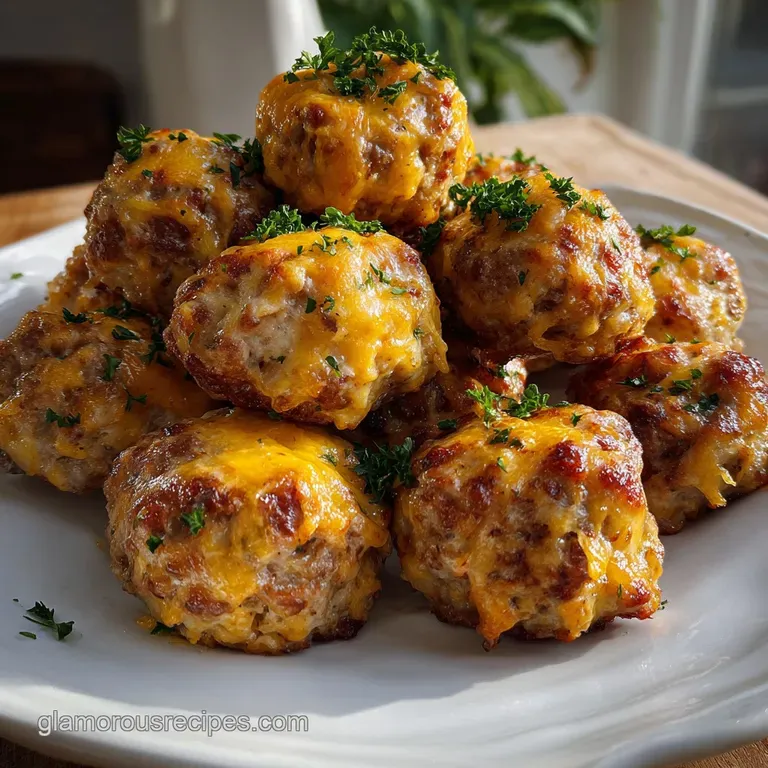
- Introducing The Ultimate Pub-Style Party Nibble
- Essential Components: Ingredients for Proper Sausage & Cheese Balls
- The Method: Proper Sausage Balls, Step-by-Step
- The Savory Science: Achieving Moist, Tender Bites Every Time
- Troubleshooting & Expert Advice: Ensuring a Perfect Batch
- make-ahead Strategy: Storing and Freezing Your Party Nibbles
- Essential Pairings: What to Serve Alongside These Savory Bites
- Recipe FAQs
- 📝 Recipe Card
Introducing The Ultimate Pub-Style Party Nibble
You know that smell? That incredible, savoury cloud that hits you the second you open the oven door? That’s the aroma of success, friends, and specifically, the glorious scent of fresh sausage balls baking.
It's the perfect mix of tangy sharp cheddar, seasoned pork, and that distinctive warm, comforting scent of baking mix. If you need a recipe that screams "cozy kitchen," this is absolutely it.
Seriously, these little appetizers are a lifesaver. Need a grab and go breakfast? Check. Need a last minute party nibble that everyone and I mean everyone —will devour? Double check. They are fast, cheap, and rely on ingredients you probably already have stashed away.
Forget fussy appetizers; the ease of making a big batch of these simple sausage balls is truly unbeatable for busy home cooks.
We are not messing around with dry, crumbly versions today. This isn't your grandma’s basic recipe, bless her heart; this is the upgraded, flavour packed version designed to stay moist, tender, and intensely cheesy.
Get ready to swap the potluck standard for the ultimate pub-style sausage balls —I promise you, they will disappear faster than you can yell "Go team!"
Defining the Perfect Sausage Ball: Texture vs. Flavor Balance
The perfect sausage balls shouldn't resemble tiny hockey pucks. Texture is everything here, and we are aiming for tender, slightly yielding interior texture balanced by a crispy, golden crust.
The key to achieving this perfect balance is managing the fat from the sausage against the binding power of the baking mix; too much fat and they spread, too little and they dry out instantly.
Why Sharp Cheddar Elevates the Classic Recipe
I will fight anyone who suggests using mild cheese in this dish; truly great sausage balls demand flavour. Sharp or mature Cheddar is non-negotiable because its intense tang cuts through the richness of the pork, providing necessary complexity.
Pre-shredded cheese is convenient, sure, but it’s often coated in anti caking starches, which dry out the mixture and prevent that beautiful, melty interior. Always grate your own cheese for these.
A Quick Look at the Preparation Difficulty
Honestly, if you can mix things in a bowl, you can make these. The preparation is straightforward, involving little more than combining and rolling. The only "difficult" part is remembering not to over mix the dough, which is a common mistake we will tackle later.
Trust me, the minimal effort is totally worth the maximum payoff of beautiful, pub style sausage balls .
Essential Components: Ingredients for Proper Sausage & Cheese Balls
The foundation of truly excellent sausage balls recipe is respecting the simple ingredient list. There aren’t many components, so quality really matters, particularly when it comes to the meat and cheese. Don’t skimp on flavour!
Selecting the Right Sausage Grind (The Fat-to-Meat Ratio)
You need proper bulk breakfast sausage, preferably a medium grind with a decent amount of visible fat. That fat is crucial because it melts during baking and coats the flour particles, which keeps the resulting sausage balls moist and tender from the inside out.
low-fat or lean sausages will lead to disappointingly dry, crumbly bites, no matter how perfectly you bake them.
Mandatory Mature: Choosing Your Cheddar Cheese
As mentioned, Sharp Cheddar is the star, offering a pungent, savoury counterpoint to the sweetness sometimes found in breakfast sausage. If Sharp Cheddar isn't available, or if you prefer a different flavour profile, Gruyère or a good aged Monterey Jack works beautifully, lending a nuttier flavour to your cheese sausage balls .
Ingredient Swap Shop: Adapting the Recipe Base
Sometimes you just don't have everything on hand, and that’s okay! Here are a few indispensable swaps that won't ruin your batch of sausage balls .
| Component | Standard | Viable Swap/Alternative |
|---|---|---|
| Sausage | Bulk Breakfast Sausage | Hot Italian sausage (casing removed) or ground turkey/chicken + 2 Tbsp melted butter. |
| Baking Mix | Bisquick/All-Purpose Mix | Use 2 cups plain flour + 2 tsp baking powder + 1 tsp salt. |
| Cheese | Sharp Cheddar | Monterey Jack, Gruyère, or Pepper Jack (for a spicy twist). |
| Mustard Powder | Dry English Mustard | ½ tsp Dijon mustard mixed into the raw sausage before combining. |
The Method: Proper Sausage Balls, step-by-step
Making these glorious little bisquick sausage balls is mostly about combining ingredients efficiently and gently. Let’s crack on with the process.
Prepping and Combining the Core Ingredients
Start by ensuring your oven is preheated to 375°F (190°C) and your sheet pan is lined with parchment. In a large bowl, whisk together the baking mix, mustard powder, pepper, and garlic powder; this ensures everything is evenly distributed later. Then, add your freshly grated Cheddar.
Now, this is important: use your hands to lightly toss the cheese with the dry mix so every piece is lightly coated, helping prevent clumping. Finally, introduce the raw, cold sausage.
Uniform Rolling: Sizing Your Balls for Even Baking
Consistency is key for even cooking. If you have some small and some massive sausage balls , the tiny ones will burn before the big ones are cooked through.
I swear by using a small, 1.5 inch cookie scoop; it guarantees uniform size every time, which is essential for any great batch of sausage breakfast balls . Roll them firmly in your palm to ensure they are compact and round before placing them on the sheet.
Baking Timings: Achieving That Golden Brown Crust
Bake your uniform spheres for approximately 22 to 25 minutes. You are looking for a beautiful, deep golden brown exterior and a fantastic nutty aroma filling your kitchen. The absolute best way to check for doneness isn't the colour, though it’s the internal temperature.
They must reach 165°F (74°C) to be safely consumed, so grab that meat thermometer!
The Savory Science: Achieving Moist, Tender Bites Every Time
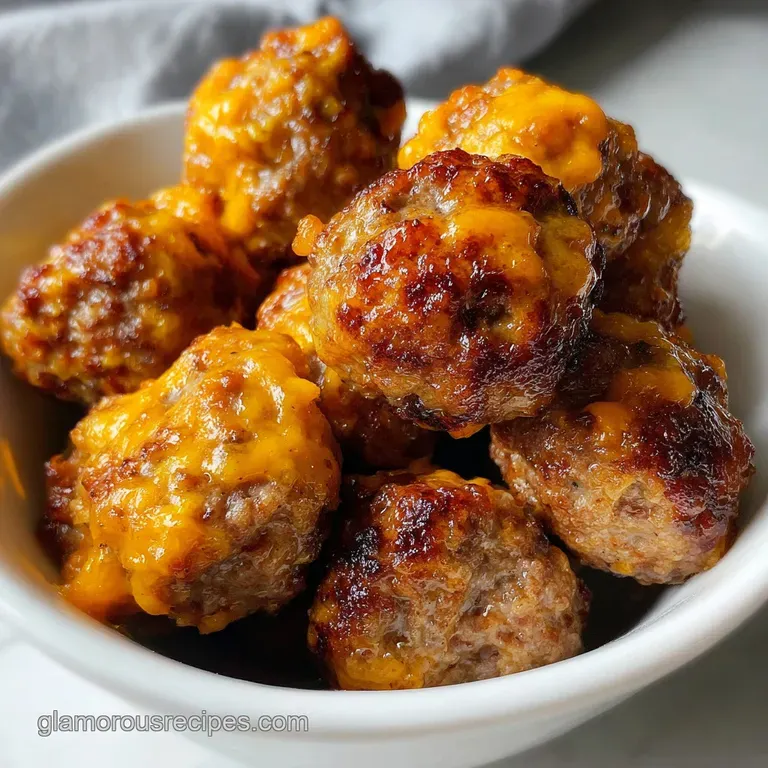
The magic of these sausage balls lies in the emulsification that happens in the oven. The biscuit mix provides the structure, the cheese provides moisture and flavour, and the sausage fat acts as the tenderizer.
When the fat renders out slightly, it coats the flour molecules, preventing them from developing tough gluten strands, resulting in an incredibly moist and satisfying bite. This is the secret to why these are better than any dry store-bought version.
The Role of Biscuit Mix in Binding and Lightness
Baking mix (like Bisquick) is already a perfect combination of flour, leavening (baking powder), and fat (usually shortening). This pre-mixed balance is why these bisquick appetizer recipes are so reliable.
The leavening ensures the balls puff up slightly, creating that desirable light, airy interior texture. Without it, you end up with dense, chewy little pub style sausage balls .
Temperature Control for Optimal Fat Rendering
Starting with cold ingredients is essential, and not just for shaping. Placing cold sausage balls into a hot 375°F (190°C) oven creates a thermal shock that sets the exterior crust quickly.
This prevents too much fat from escaping right away, ensuring the fat stays inside the ball long enough to tenderize the dough, giving you the best texture.
Mastering the Hand Mix: Preventing Dense Meatballs
This is where I made my biggest rookie mistake years ago. I thought my stand mixer could handle it, but it just created tough, over mixed dough. When mixing the sausage into the dry ingredients, use your hands and stop the second the mixture comes together into a cohesive, slightly sticky mass.
Overworking the dough develops too much gluten, which leads to tough, rubbery sausage balls .
Troubleshooting & Expert Advice: Ensuring a Perfect Batch
We all hit bumps in the road, especially when perfecting a classic like this. Here are the issues I see most often and exactly how to fix them for perfect sausage balls every time.
Why Are My Sausage Balls Tough? (The Overmixing Problem)
If you find your sausage balls are tough and require a lot of chewing, you overmixed them. Period. Next time, mix for 30 seconds less. You should still see a few tiny pockets of unmixed flour when you stop trust me, they will get absorbed during the shaping process.
Remember, gentle is better when making great cream cheese sausage balls (or even the standard version).
Avoiding a Cheesy Disaster: How to Prevent Leaking Fat
If your balls flatten or leak too much fat onto the pan, a couple of things went wrong: either your sausage was too high in fat, or you skipped the crucial chilling step. Chilling the formed sausage balls in the freezer for 15 minutes before baking helps solidify that fat, guaranteeing they hold their beautiful round shape and bake up perfectly.
The Internal Temperature Test for Safety and Doneness
You must verify the internal temperature of these easy sausage appetizers . Pork needs to reach 165°F (74°C) for safety. If you pull them too early, you risk undercooked meat; if you leave them in too long just to get a darker colour, you risk drying them out.
Use a thermometer inserted into the centre of the largest ball it’s the only way to be sure these sausage balls are done just right.
make-ahead Strategy: Storing and Freezing Your Party Nibbles
But does it freeze well? You bet it does! These are the ultimate make-ahead freezer appetizer.
Fridge Storage: Once baked, store cooled sausage balls in an airtight container in the refrigerator for up to 4 days. Reheat them quickly in the microwave or a 350°F (175°C) oven until warmed through.
Freezing Instructions (Baked): Bake them completely, let them cool entirely on a wire rack, and then transfer them to a freezer safe zip-top bag. Squeeze out all the excess air. They keep perfectly for up to 3 months.
To reheat from frozen, place them on a sheet pan and bake at 350°F (175°C) for 15– 20 minutes.
Freezing Instructions (Unbaked): If you want fresh, hot sausage balls later, roll them, place them on a parchment lined tray, and freeze until solid (about 2 hours). Transfer the solid balls to a freezer bag.
When ready to bake, place the frozen balls on a sheet pan and bake at 350°F (175°C) for 30– 35 minutes (adding about 8– 10 minutes to the cook time).
Essential Pairings: What to Serve Alongside These Savory Bites
These are savory little powerhouses, and they pair wonderfully with anything tangy, sweet, or creamy.
For breakfast or brunch, serve these sausage balls alongside a vibrant fruit salad and maybe a simple egg dish. If you are looking for other hearty morning recipes, I highly recommend checking out my recipe for a fantastic Breakfast Casserole: Ultimate Sausage Sourdough Strata .
It’s another great way to use that bulk sausage!
For dipping, a smooth, smoky honey mustard sauce is classic. I also love a tangy pepper jelly or even a simple side of cultured sour cream mixed with chives. Whichever dip you choose, make sure you have plenty, because everyone will want seconds of these amazing sausage balls .
Whether you call them sausage balls with bisquick , pub snacks, or breakfast nuggets, these easy sausage balls are a staple for a reason. They deliver massive flavour with minimal fuss, and once you master this recipe, you’ll never buy a dry, crumbly version again.
Happy snacking!

Recipe FAQs
Why is my sausage ball mixture too dry and crumbly to form?
If your mixture is excessively dry, it typically means the sausage did not have enough fat or the biscuit mix was packed too tightly during measurement. Try adding 1 to 2 tablespoons of milk or heavy cream to the mixture until it just barely binds together.
Ensure you are using the correct quantity of shredded cheese, as the fat and moisture from the cheese are crucial binders.
Can I use leaner sausage instead of standard pork sausage?
Using extremely lean sausage is not recommended, as the natural fat content is essential for keeping the balls moist and preventing them from becoming dense or hard during baking. If you must use a leaner option, increase the amount of cheese slightly or mix in one tablespoon of melted butter to compensate for the lost moisture.
This helps maintain the desired tender, pub-style texture.
Can I prepare and freeze these sausage balls ahead of time?
Yes, sausage balls freeze exceptionally well, both cooked and uncooked. For uncooked freezing, flash freeze the formed balls on a baking sheet until solid, then transfer them to an airtight freezer bag for up to two months.
When baking from frozen, add 5 to 10 minutes to the standard cooking time, ensuring they reach an internal temperature of 160°F (71°C).
What temperature should the ingredients be when mixing?
It is critical that the sausage and the cheese are cold when you begin mixing, as this prevents the fat from rendering out prematurely. Cold ingredients also help the mixture maintain a better structure during the rolling process.
If the dough is proving stubborn, use a stand mixer with a paddle attachment or mix with your hands just until it forms a cohesive dough.
How do I know when the sausage balls are fully cooked?
The sausage balls are properly cooked when the outsides are a deep golden brown and they feel firm to the touch when gently pressed. For food safety, the internal temperature of the pork must register 160°F (71°C) using a meat thermometer.
Avoid overbaking, as this is the primary cause of tough, dry sausage balls.
What are some good flavor variations if I don’t want to use sharp Cheddar?
While sharp Cheddar provides the classic “proper pub” bite, you can easily experiment with other strong cheeses like aged white Parmesan or smoked Gouda for a richer, nuttier flavor.
You can also mix in additional seasonings such as finely chopped chives, a splash of Worcestershire sauce, or a pinch of smoked paprika for extra depth.
Can this recipe be made gluten-free?
Absolutely; this recipe adapts beautifully to gluten-free preparation with a simple substitution. Replace the standard baking/biscuit mix (like Bisquick) with an equal measure of a reliable gluten-free baking mix that contains a leavening agent.
The structure, texture, and cooking time will remain nearly identical to the original recipe.
Pub Style Sausage Balls Recipe

Ingredients:
Instructions:
Nutrition Facts:
| Calories | 380 calories |
|---|---|
| Fat | 28 g |
| Fiber | 1 g |
