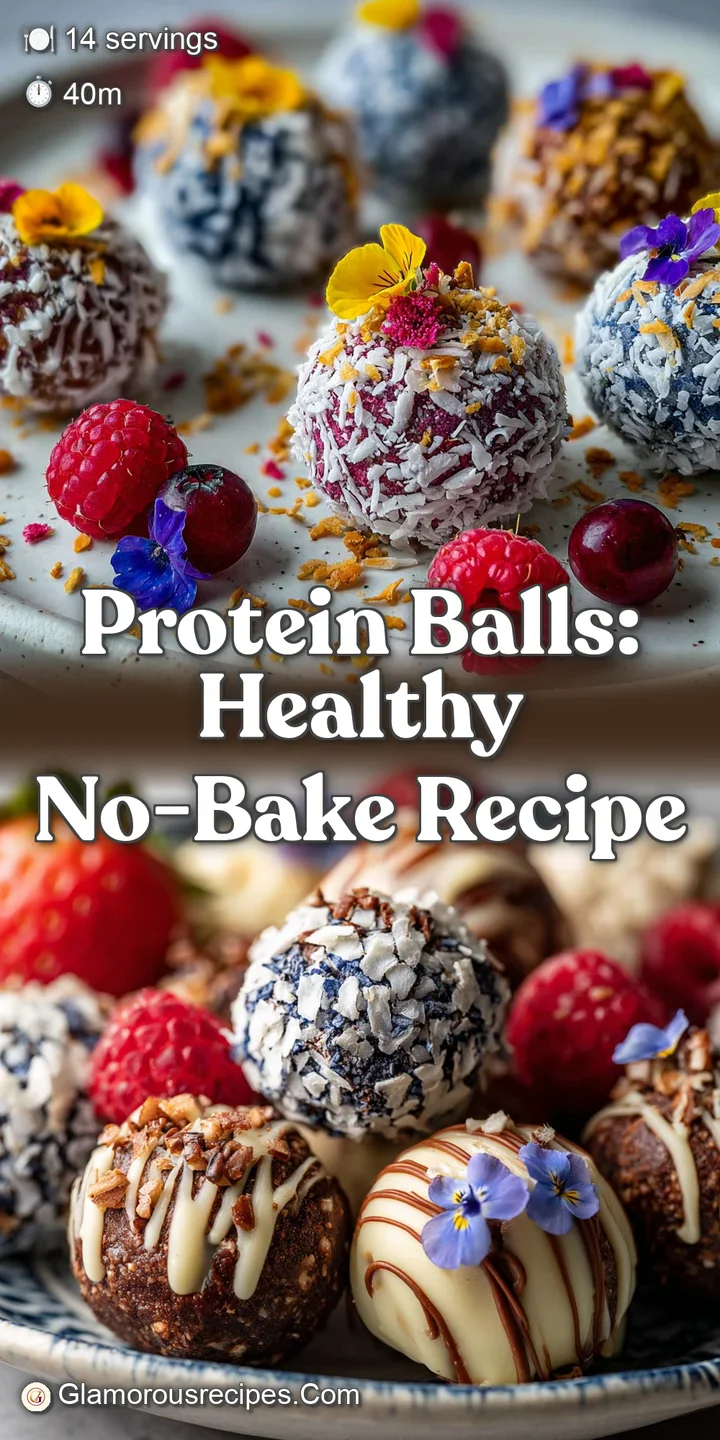
Easy Protein Balls Recipe
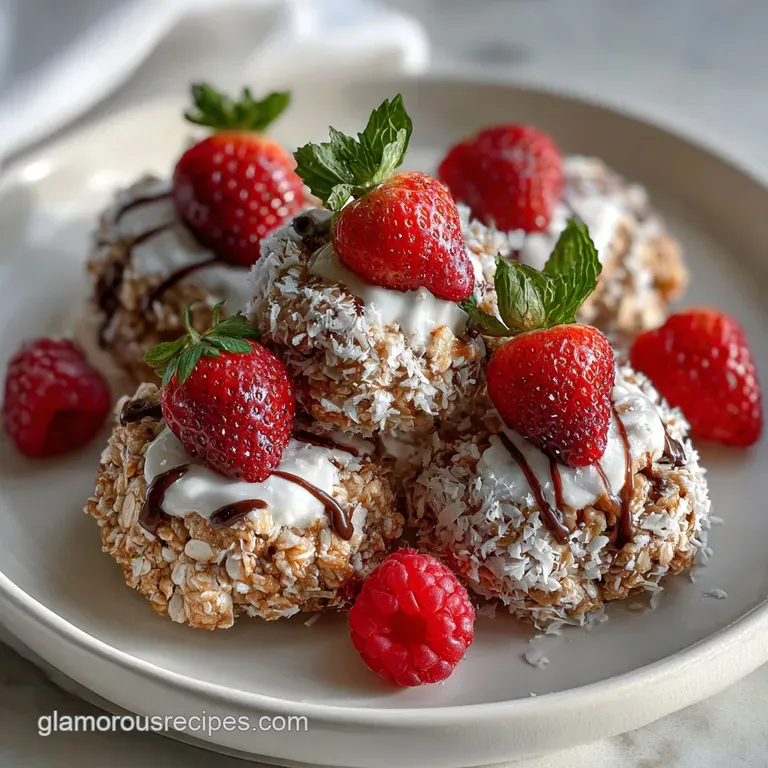
- Time: Active 10 minutes, Passive 30 minutes, Total 40 minutes
- Flavor/Texture Hook: Chewy, salty sweet, and velvety
- Perfect for: Busy weeknight prep, school lunches, or pre workout fuel
- Achieving the Best Texture for Homemade Protein Balls
- Efficiency: Essential Prep and Timing
- Nutritional Components for Every Bite
- Tools for a Seamless Session
- Mastering the Mix and Shaping
- Solving Common Texture Issues
- Creative Flavors and Customizations
- Keeping Snacks Fresh and Cold
- Sides for a Balanced Routine
- Clearing Up Your Kitchen Concerns
- Recipe FAQs
- 📝 Recipe Card
Honestly, I used to spend a small fortune on those fancy pre packaged snacks from the "healthy" aisle, only to realize half of them taste like flavored chalk. You know that specific, dry, gritty texture that makes you reach for a gallon of water after one bite? I was tired of it.
I wanted something that felt like a treat but acted like fuel for my busy days running between meetings and the gym.
The first time I tried making my own protein balls, I ended up with a crumbly mess that wouldn't stick together no matter how much I squeezed. It was a total kitchen disaster, oats everywhere.
But after tweaking the ratios of wet to dry ingredients and learning a few things about how different protein powders absorb moisture, I finally nailed it.
This recipe is my absolute go to because it requires zero baking and uses real food staples you probably already have in your pantry. We're skipping the weird fillers and sticking to ingredients that a nutritionist would actually approve of.
Get ready for a snack that's soft, tacky in the best way, and packed with enough fiber to actually keep you full until dinner.
Achieving the Best Texture for Homemade Protein Balls
The Science of Why it Works: Through emulsification, the natural oils in the peanut butter bind with the sugars in the honey to create a stable, sticky matrix. The fiber hydration process then allows the oats and flaxseed to soak up excess moisture, transforming a loose mixture into a dense, chewy snack.
- Lipid Binding: The fats in the nut butter surround the dry particles, preventing them from becoming brittle or dry.
- Capillary Action: Oats draw moisture into their center over time, which is why a short rest period makes the dough easier to roll.
- Protein Cohesion: Whey or plant based proteins act as a structural "glue" once they interact with the liquid sweeteners.
- Osmotic Balance: The sea salt draws out the subtle sweetness of the oats while balancing the richness of the fats.
Emulsifying the Binder Foundation
When we talk about the "glue" of this recipe, we're really looking at the relationship between the peanut butter and the honey. Since I’m a big fan of real food, I always suggest using natural peanut butter where the only ingredients are peanuts and salt.
The oil separation in natural varieties actually helps create a more supple dough. If your peanut butter is too stiff, the balls will end up feeling like rocks.
Hydrating the Fiber Matrix
Oats are the backbone here, providing that essential chew. But if you've ever eaten a raw oat, you know it can be a bit papery. By letting the mixture sit, we allow the liquid components to penetrate the outer layer of the grain. This softens the texture significantly without needing any heat.
It’s the same principle as overnight oats, just in a much more concentrated, bite sized form.
Balancing Protein Powder Density
Not all protein powders are created equal. Whey tends to be more "sticky" when wet, while plant based versions (like pea or brown rice protein) are highly absorbent and can make the dough dry out fast. I’ve found that a middle ground approach works best.
If you're using a very absorbent vegan powder, you might need an extra teaspoon of liquid to keep things from getting crumbly.
| Ingredient | Science Role | Pro Secret |
|---|---|---|
| old-fashioned Oats | Structural fiber | Pulse half the oats in a blender for a smoother, "truffle like" bite |
| Natural Peanut Butter | Emulsifying fat | Use "drippy" room temp butter to ensure it coats every single oat flake |
| Raw Honey | Hygroscopic binder | Warm the honey for 5 seconds to make it fold in without leaving sticky clumps |
| Protein Powder | Nitrogen rich thickener | Sift the powder first to avoid those tiny, dry pockets of unmixed flour |
Because we aren't using eggs or heat to set the structure, the "setting" happens entirely through cooling and hydration. This is why I always tell my friends to resist the urge to eat the dough straight from the bowl.
Give it 20 minutes in the fridge, and the texture changes from a loose paste to a firm, fudgy delight.
Efficiency: Essential Prep and Timing
For a snack that requires no cooking, timing is everything. You want a 3 step timeline to keep things moving. First, whisk your wet ingredients until they are completely smooth no streaks of honey allowed. Second, fold in your dry ingredients until a heavy dough forms.
Finally, the "cool down" is the most important part; 30 minutes in the fridge allows the fats to solidify, making the rolling process much cleaner.
| Factor | Fresh Homemade | store-bought Shortcut |
|---|---|---|
| Texture | Soft, chewy, and moist | Often dense, dry, or rubbery |
| Cost | Pennies per serving | Usually $2.50 to $4.00 per unit |
| Ingredients | Whole foods, no fillers | Often contains soy lecithin and palm oil |
When you're prepping for a busy week, I recommend doing this on a Sunday night. It takes less than 10 minutes of active work, but the payoff is having a reliable, high protein snack ready to grab as you head out the door. If you're looking for other meal prep ideas to round out your week, I often pair these with a batch of my Lentils in Rice Cooker recipe for easy plant based lunches.
Nutritional Components for Every Bite
- 1.5 cups (120g) old-fashioned rolled oats: Provides slow release energy and essential beta glucan fiber. Why this? Rolled oats hold their shape better than quick oats, giving a superior chew.
- Substitute: Quinoa flakes (adds a slightly nutty, toasted flavor).
- 0.5 cup (128g) natural creamy peanut butter: The primary source of healthy monounsaturated fats and satiety. Why this? It acts as the "fat based glue" that keeps the balls from drying out.
- Substitute: Almond butter (slightly more vitamin E, milder flavor profile).
- 0.33 cup (112g) raw honey or maple syrup: A natural sweetener that also provides the necessary stickiness. Why this? Honey has a lower water content than syrup, making for a firmer ball.
- Substitute: Brown rice syrup (less sweet, but extremely "tacky" for better binding).
- 0.5 cup (60g) vanilla or chocolate protein powder: Boosts the amino acid profile and adds flavor. Why this? It acts as a dry thickener to balance the fats from the nut butter.
- Substitute: Collagen peptides (dissolves easily but may require 2 extra tbsp of oats).
- 2 tbsp (14g) ground flaxseed or chia seeds: Adds Omega-3 fatty acids and extra binding power. Why this? Flaxseed creates a "gel" when mixed with moisture, aiding structure.
- Substitute: Hemp hearts (adds a grassy flavor and extra protein punch).
- 0.33 cup (55g) mini dark chocolate chips: For a touch of sweetness and antioxidants. Why this? Minis distribute more evenly than regular chips, ensuring chocolate in every bite.
- Substitute: Cacao nibs (pure chocolate flavor with a crunchy, bitter edge).
- 1 tsp pure vanilla extract: Enhances the overall flavor profile of the oats and protein. Why this? It rounds out the "raw" flavor of the oats.
- Substitute: Almond extract (use only 1/4 tsp as it is very potent).
- 0.125 tsp sea salt: To balance the sugars and brighten the nuttiness. Why this? Fine sea salt dissolves quickly into the dough.
- Substitute: Pink Himalayan salt (contains trace minerals, similar flavor).
For the Base
The oats are the foundation of these protein balls. If you’re gluten sensitive, just make sure your oats are certified gluten-free. I prefer the old-fashioned variety because they have more "soul" and texture than the pulverized instant kind.
For the Protein Boost
I usually reach for a high-quality whey isolate because it blends so smoothly, but a fermented pea protein works wonders too. If you're a chocolate fan, using a chocolate flavored powder satisfies that itch without the sugar crash, much like my favorite Chocolate Peanut Clusters recipe.
For Texture and Flavor
Don't skip the flaxseed! It’s the secret weapon for anyone who struggles with snacks falling apart. Once it hits the honey and peanut butter, it starts to swell and act as a natural adhesive. It's a trick I learned back when I was first getting into real food nutrition, and I've never looked back.
Tools for a Seamless Session
You don't need fancy gadgets for this. A large glass mixing bowl and a sturdy silicone spatula are your best friends. I also highly recommend using a small cookie scoop (about 1 tablespoon size).
It keeps your hands cleaner and ensures that every ball is uniform, which is great for tracking your macros if you're into that.
Chef's Tip: If the dough is sticking to your hands like crazy, lightly damp your palms with water or a tiny bit of coconut oil. The dough won't stick to the moisture/fat barrier, and you'll get perfectly smooth spheres every time.
If you don't have a scoop, a simple tablespoon from your silverware drawer works just fine. Just keep a small bowl of water nearby to dip your fingers in. This is a low stress kitchen project, so don't overthink the equipment.
Mastering the Mix and Shaping
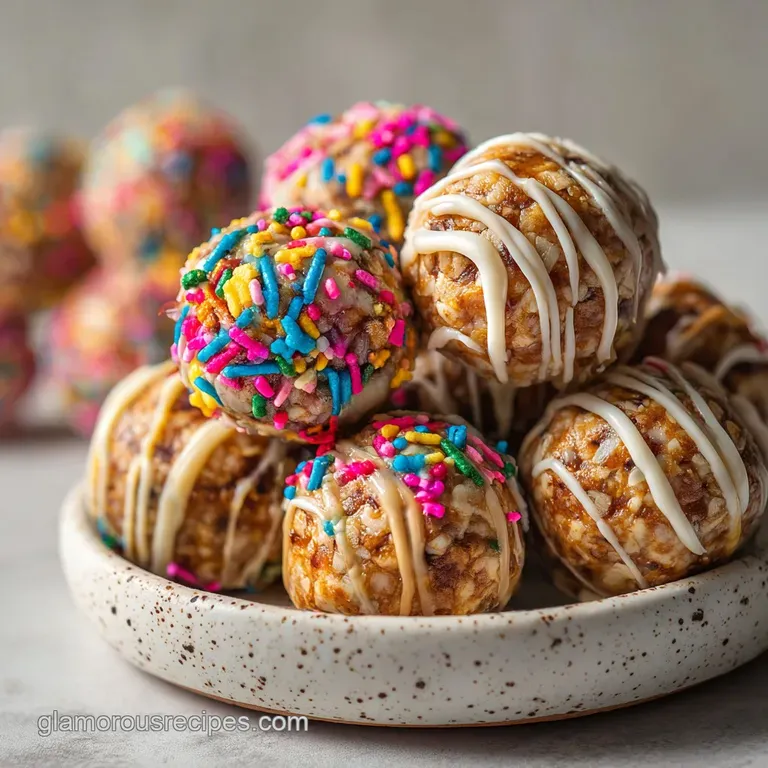
- Combine the wet ingredients. Place the 0.5 cup peanut butter, 0.33 cup honey, and 1 tsp vanilla extract in a bowl. Mix until velvety and completely integrated.Note: This ensures the flavor is even throughout.
- Season the base. Stir in the 0.125 tsp sea salt. Whisk until the salt is no longer visible.Note: Adding salt to the wet mix prevents salty "hot spots" in the finished balls.
- Incorporate the protein. Add the 0.5 cup protein powder to the wet mixture. Stir until a thick, uniform paste forms.Note: It’s easier to mix the powder into the liquids before adding the bulky oats.
- Add the fiber. Fold in the 2 tbsp ground flaxseed or chia seeds. Mix until the seeds are evenly speckled through the paste.
- Fold in the oats. Add the 1.5 cups old-fashioned oats. Stir vigorously until every flake is coated in the peanut butter mixture.Note: You shouldn't see any "white" dry oats remaining.
- Add the texture. Gently fold in the 0.33 cup mini chocolate chips. Mix until just distributed.Note: Adding these last prevents them from melting if your peanut butter was slightly warm.
- Chill the dough. Place the bowl in the refrigerator for 30 minutes. Wait until the mixture feels firm and less tacky.Note: This is the crucial hydration step for the oats.
- Portion the bites. Use a tablespoon scoop to drop 14 mounds onto a piece of parchment paper. Check that they are roughly the same size.
- Shape the spheres. Roll each mound between your palms. Rotate until the surface is smooth and the ball is tight.
- Final Set. Place the rolled balls back in the fridge for 10 minutes. Chill until they hold their shape when pressed.
Combining the Liquid Glue
When you mix the honey and peanut butter, you're creating a suspension. If you see oil pooling at the bottom, keep stirring! You want a thick, glossy caramel like consistency before the dry stuff goes in.
Integrating the Dry Powerhouses
When adding the oats and protein powder, it might feel like there's too much dry stuff for the liquid. Trust the process. Keep folding from the bottom up. Eventually, the oats will give in and become part of the collective dough.
Folding for Texture
Be gentle when adding the chocolate chips. You don't want to crush them; you want them to stay whole so you get that "shatter" of cold chocolate when you take a bite. It’s the contrast between the soft oat base and the firm chip that makes these so addictive.
Portioning the Bites
Precision Checkpoint 1: Your mixture should feel like damp sand. If you squeeze a handful and it stays in a clump, you’re ready to roll. If it crumbles, add a teaspoon of honey and try again.
Solving Common Texture Issues
Why Your Protein Balls Fall Apart
If your snacks are crumbling as soon as you touch them, the ratio is likely off or the ingredients weren't mixed well enough. Usually, this happens if you used a very dry, chalky protein powder or if your peanut butter was from the bottom of the jar where it’s less oily.
The solution is simple: moisture. A tiny splash of water or a little more "drippy" nut butter will bring it all back together. Also, don't skip the refrigeration step; cold is what actually "locks" the structure in place.
| Problem | Root Cause | Solution |
|---|---|---|
| Crumbly/Dry | Too much protein powder or old, dry oats | Mix in 1-2 tsp of water or extra honey |
| Too Sticky | Warm environment or very thin honey | Chill for an extra 20 mins before rolling |
| Gritty/Grainy | Cheap protein powder or un hydrated flax | Let the dough rest for an hour to soften fibers |
Managing Sticky Messes
If the dough is sticking to your hands and won't form a ball, it’s probably too warm. Natural peanut butter is very sensitive to room temperature. Pop the whole bowl into the freezer for 10 minutes to firm up the fats.
Eliminating Gritty Aftertaste
Some plant based protein powders have a "green" or "earthy" aftertaste that can be distracting. If you notice this, increase the vanilla extract to 1.5 teaspoons or add a pinch of cinnamon. The warmth of the cinnamon masks the vegetal notes of pea protein perfectly.
Creative Flavors and Customizations
- Dark Chocolate Sea Salt: Use chocolate protein powder and top each ball with a tiny pinch of flaky Maldon salt.
- Monster Cookie Style: Swap half the chocolate chips for mini M&Ms and add a tablespoon of creamy peanut butter on top of the recipe amount.
- White Chocolate Cranberry: Use vanilla protein powder and swap the chocolate chips for dried cranberries and white chocolate chunks.
Opting for Vegan Substitutes
To make these completely plant based, simply use maple syrup instead of honey. Keep in mind that maple syrup is slightly thinner than honey, so you might need to add an extra 2 tablespoons of oats to compensate for the liquid consistency.
Crafting a Nut Free Alternative
If you have a nut allergy in the house, sunflower seed butter (SunButter) is a fantastic 1 to-1 replacement for peanut butter. It has a slightly more earthy, toasted flavor, but the binding properties are nearly identical.
Infusing Seasonal Flavors
In the fall, I love adding 1 teaspoon of pumpkin pie spice to the mix. It makes the protein balls taste like a little slice of autumn. For another seasonal treat, you might want to try making a batch of Lactation Cookies recipe if you're looking for nutrient dense snacks for new moms.
Keeping Snacks Fresh and Cold
Storage: These stay fresh in an airtight container in the fridge for up to 2 weeks. I don't recommend leaving them on the counter for more than a few hours, as the natural oils in the peanut butter can start to go rancid and the texture will become too soft.
Freezing: These freeze beautifully! I often make a double batch and keep half in the freezer. They'll last for 3 months. You can even eat them straight from the freezer for a firm, fudge like texture that's really refreshing in the summer.
Zero Waste Tip: Don't throw away the "dust" at the bottom of your oat container. Pulse it in a blender to make quick oat flour, which you can use to tighten up the dough if it ever feels too wet.
Also, if you have a nearly empty peanut butter jar, mix the dough right inside the jar to get every last bit of nutty goodness!
Sides for a Balanced Routine
While these are a great standalone snack, I love pairing them with a piece of fresh fruit like a crisp apple or a handful of berries to add some volume to the meal. If I’m having them for a quick breakfast, a cup of Greek yogurt on the side provides an extra hit of calcium and protein.
For a more substantial meal prep day, I might serve these alongside a hearty vegetable dish. Something like a Broccoli Casserole recipe works well if you're doing a full Sunday "cook ahead" session. Having both sweet and savory options ready to go makes staying on track with healthy eating so much easier.
Decision Shortcut: - If you want a firmer bite, store them in the freezer and eat cold. - If you want a "cookie dough" feel, use maple syrup and let them sit at room temp for 5 minutes before eating.
- If you're watching sugar, swap the honey for a liquid monk fruit sweetener and use cacao nibs.
Clearing Up Your Kitchen Concerns
Using Collagen Powder
You can absolutely use collagen powder, but it doesn't "thicken" the dough the same way whey or plant protein does. Collagen dissolves almost instantly. If you go this route, you’ll likely need to add about 1/4 cup extra oats to make sure the balls don't turn into flat puddles.
Choosing Good Protein Powder
Look for a powder with minimal ingredients. Avoid anything with "fillers" or "thickeners" like xanthan gum if possible, as these can make the dough feel slimy. A simple whey isolate or a clean pea protein is usually the best bet for a predictable texture.
Fixing Non Sticking Balls
Precision Checkpoint 2: If the balls aren't sticking, it's almost always a hydration issue. Give the mixture another 10 minutes in the fridge. Cold is the "reset button" for this recipe. If they still won't stick, add 1 tablespoon of peanut butter and remix.
Making Oat Free Versions
If you can't do oats, you can substitute with almond flour or shredded coconut. However, the texture will be much softer and less "chewy." You'll need to increase the amount of dry ingredients by about 20% because oats are much more absorbent than nut flours.
Ensuring Uniform Sizes
Precision Checkpoint 3: Use a 1 inch (1 tablespoon) scoop for exactly 14 balls. This ensures that the nutrition data stays accurate per serving and that they all "set" at the same rate in the fridge.
Using Honey Substitutes
Agave nectar or brown rice syrup work well. Avoid granulated sugars like stevia or coconut sugar as the "main" sweetener because you need the liquid volume to bind the oats. If you want to use a dry sweetener, you'll have to add 1/4 cup of water or milk to compensate.
One final myth to bust: protein powder is not just for "gym rats." As someone who focuses on real food, I view it as a convenient, concentrated source of amino acids that helps prevent muscle loss and keeps you full.
Whether you’re a busy parent or a distance runner, these little bites are a delicious way to get more "good stuff" into your day! Let’s get rolling!
Recipe FAQs
Are protein balls actually healthy?
Yes, when made with whole ingredients. They can be a healthy snack due to protein and fiber, but watch out for added sugars and processed ingredients in store-bought versions. Homemade options allow you to control exactly what goes in, focusing on nutrient dense components.
How to make 4 ingredient protein balls?
Combine nut butter, binder, protein powder, and oats. Mix 1/2 cup nut butter (like peanut or almond), 1/4 cup honey or maple syrup, 1/2 cup protein powder, and 1 cup rolled oats until a dough forms. Chill for 30 minutes, then roll into balls. Adjust oat quantity if mixture is too wet or dry.
How many protein balls can I eat a day?
One to three is generally a good starting point. Listen to your body and consider your overall daily caloric and protein intake. They are calorie dense, so moderation is key, especially if you're watching your weight.
What to put in protein balls for weight loss?
Focus on high fiber and protein with minimal added sugars. Use oats, chia seeds, or flaxseed for fiber to promote satiety, and lean protein powder. Opt for natural sweeteners like a small amount of honey or stevia, and include healthy fats from nut butters for sustained energy without a crash.
Can I substitute collagen peptides for protein powder?
Yes, but you'll need to adjust the other ingredients. Collagen peptides don't thicken the mixture as much as traditional protein powders. You'll likely need to add about 1/4 cup more oats or a tablespoon of nut butter to achieve a good rolling consistency, similar to how you'd manage texture in our Chocolate Chip Cookies: Brown Butter Recipe for Thick Chewy Results.
What's the best way to prevent protein balls from falling apart?
Ensure proper hydration and chilling. The mixture should feel like damp sand and hold together when squeezed. If it's crumbly, add a teaspoon of water or honey; if too sticky, add more oats. Always chill the dough for at least 30 minutes before rolling to allow the ingredients to bind.
Can I make these protein balls nut-free?
Yes, by swapping nut butter for a seed butter. Sunflower seed butter (SunButter) or tahini are excellent 1-to-1 substitutes for peanut or almond butter. While they have a slightly different flavor profile, they provide the necessary fat and binding properties for the mixture.
Protein Balls
Ingredients:
Instructions:
Nutrition Facts:
| Calories | 152 kcal |
|---|---|
| Protein | 6.9 g |
| Fat | 6.9 g |
| Carbs | 17.2 g |
| Fiber | 1.7 g |
| Sugar | 8.4 g |
| Sodium | 31 mg |
