Pecan Pie Bark: Caramel Pecan Crunch
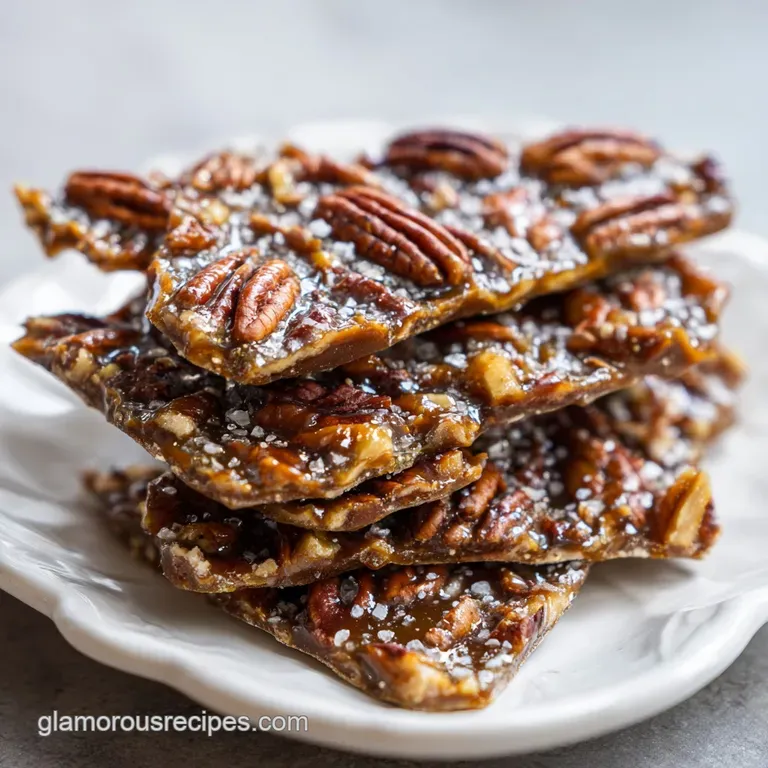
- Time: Active 5 minutes, Passive 15 minutes, Total 20 minutes
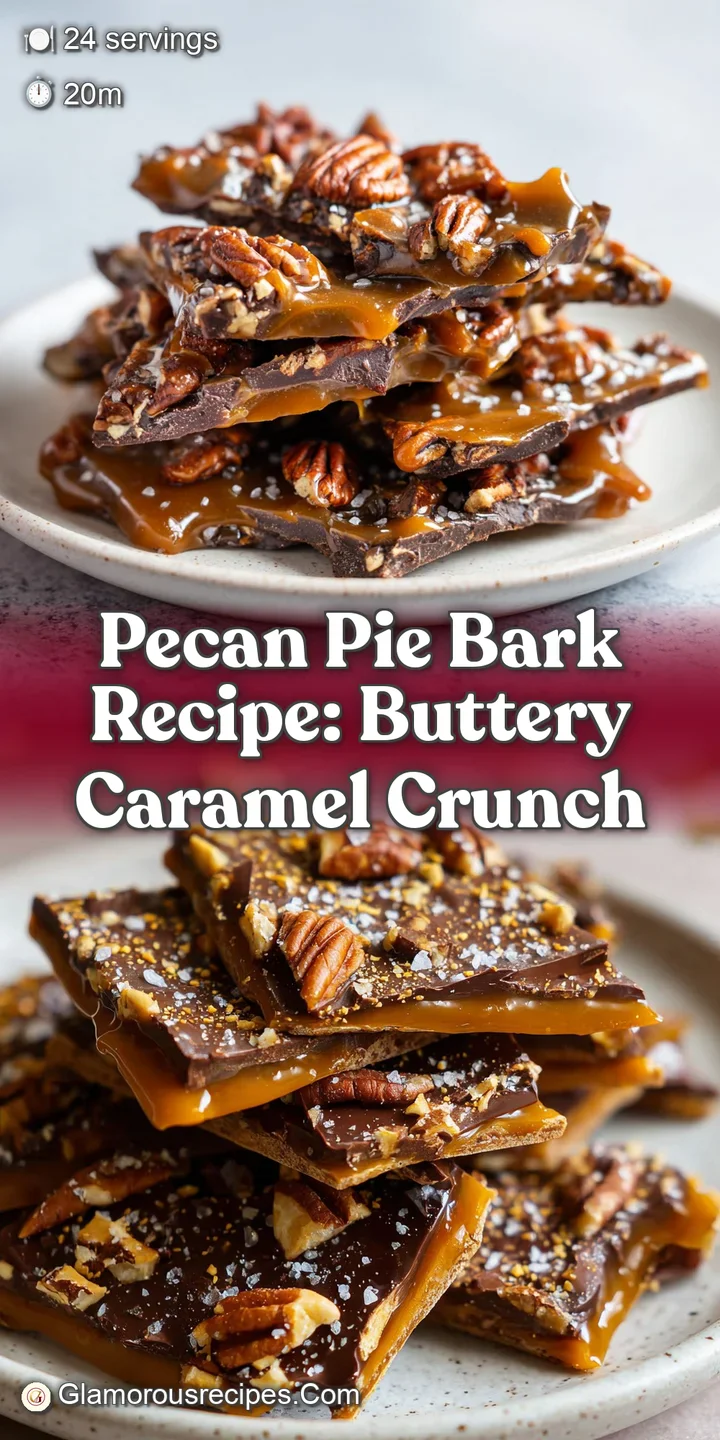
- Flavor/Texture Hook: Buttery, mahogany colored caramel with a satisfying salty sweet shatter
- Perfect for: Holiday gifting, Sunday dinner treats, or a quick sweet fix
- Creating the Ultimate Homemade Pecan Pie Bark
- The Physics of the Caramel Snap
- Key Precision Metrics for This Recipe
- Analyzing the Core Elements of Flavor
- Tools Required for the Best Snap
- Step-by-Step Guide to Caramel Perfection
- Solving Common Textural Issues and Fails
- Scaling Guidelines for Large Crowds
- Debunking Bark Misconceptions
- Storing and Repurposing Your Sweet Treats
- Complementary Pairings for Your Sunday Table
- Recipe FAQs
- 📝 Recipe Card
Creating the Ultimate Homemade Pecan Pie Bark
The second that butter and dark brown sugar start bubbling in the pan, my kitchen transforms. It hits you first with a deep, toffee like aroma, followed quickly by the woody, roasted scent of toasted pecans.
It’s the smell of a Southern Sunday afternoon, reminiscent of the "sacred" desserts my grandmother used to pull out of her oven, but without the three hour wait time.
Honestly, traditional pecan pie can be a bit of a hit or-miss situation nobody wants that gelatinous, overly sweet filling or a bottom crust that’s turned into mush. This Pecan Pie Bark solves every single one of those problems.
It gives you that concentrated brown butter flavor and the earthy crunch of pecans, all built on a crisp cracker foundation that stays crunchy for days.
We’ve all had those moments where we need a "wow" dessert but have zero energy left for rolling out dough. Trust me on this, this recipe is your secret weapon. It’s ridiculously fast, uses pantry staples you likely already have, and people will follow the scent of that bubbling caramel straight into your kitchen before it even hits the cooling rack.
The Physics of the Caramel Snap
Maillard Reaction: Dark brown sugar contains molasses, which reacts with the butter proteins under high heat to create complex, toasted flavor compounds.
Sugar Concentration: Boiling the mixture for exactly 120 seconds removes just enough water to reach the "soft crack" stage, ensuring the bark snaps rather than bends.
Starch Reinforcement: The graham crackers act as a porous scaffolding, absorbing the hot fat and sugar to create a unified, crispy structure that won't separate.
| Method | Time | Texture | Best For |
|---|---|---|---|
| Stovetop Caramel | 2 minutes | Glass like snap | Traditional crispy bark |
| Oven Melting | 10 minutes | Chewy/Soft | Toffee style clusters |
| Microwave | 4 minutes | Grainy/Sugary | Last minute emergencies |
Right then, if you’re looking for a similar comforting flavor profile but in a more substantial form, you should definitely check out my Butter Pecan Pound recipe. It uses that same nutty goodness but in a velvety cake format that's perfect for a crowd.
Key Precision Metrics for This Recipe
| Component | Weight/Measure | Science Role | Pro Secret |
|---|---|---|---|
| Unsalted Butter | 1 cup (225g) | Fat base for emulsion | Use high-quality grass fed butter for better flavor |
| Dark Brown Sugar | 1 cup (200g) | Sweetener & Texture | Pack it tight to ensure correct moisture levels |
| Chopped Pecans | 1.5 cups (190g) | Structural crunch | Toast them in a dry pan first to wake up the oils |
| Graham Crackers | 150g (approx 12 sheets) | Edible foundation | Lay them edge to edge with no gaps for stability |
A quick tip for the pecans: if you have five extra minutes, toss them in a skillet over medium heat until you smell that nutty perfume. It makes a world of difference. You'll know they're ready when they look slightly glossy and smell like a dream.
Analyzing the Core Elements of Flavor
Gathering your ingredients is half the fun, and luckily, this list is short and sweet. Make sure your butter is real don't even think about using margarine here, as the water content is too high and your caramel will never set properly.
- Graham crackers (150g): These provide the base. Why this? They stay crisp under the heat better than saltines.
- Substitute: Saltine crackers (for a saltier kick) or gluten-free graham style crackers.
- Unsalted butter (1 cup): This provides the rich mouthfeel. Why this? Control your salt levels by adding sea salt separately.
- Substitute: Salted butter (just omit the fine sea salt in the recipe).
- Dark brown sugar (1 cup): Adds the deep molasses notes. Why this? Provides a richer mahogany color than light brown sugar.
- Substitute: Light brown sugar (will be slightly milder and lighter in color).
- Chopped pecans (1.5 cups): The star of the show. Why this? Chopped pieces ensure every bite has nutty coverage.
- Substitute: Walnuts (slightly more bitter but very similar texture).
- Vanilla extract (1 tsp): Rounds out the sweetness. Why this? Alcohol based vanilla helps the caramel flavor bloom.
- Substitute: Maple extract for a more "pancakes and syrup" vibe.
- Fine sea salt (0.25 tsp): Balances the sugar. Why this? Fine grains dissolve instantly into the boiling butter.
- Substitute: Standard table salt (use slightly less).
- Flaky sea salt (1 tsp): For that final "pop." Why this? Large crystals don't melt, giving you a salty crunch.
- Substitute: No real sub just skip it if you don't like salt.
Tools Required for the Best Snap
You don't need a fancy candy thermometer for this, but a heavy bottomed saucepan is non negotiable. Thin pans have "hot spots" that will scorch your sugar before the butter is even melted. I usually reach for my stainless steel saucier or a small Dutch oven.
You'll also need a large rimmed baking sheet (half sheet pan size), some parchment paper (parchment is better than foil here because the caramel won't stick), and a sturdy spatula.
If you're doubling the recipe, just use two separate pans rather than trying to stack the crackers they need direct heat to crisp up.
step-by-step Guide to Caramel Perfection
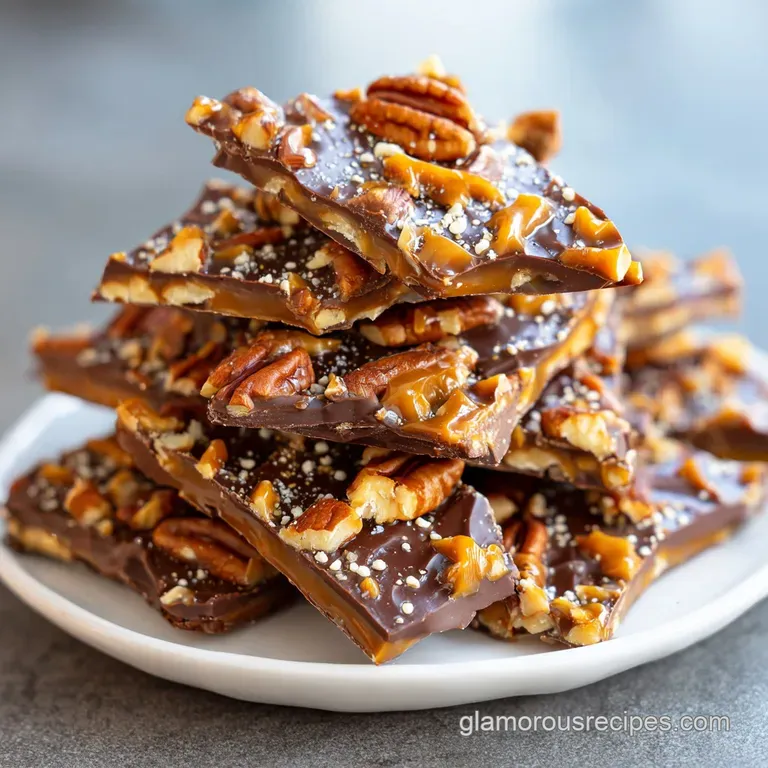
- Preheat and Prep. Set your oven to 350°F (180°C) and line your baking sheet with parchment paper. Note: Parchment ensures the bark lifts right off once cooled.
- Layer the Base. Arrange 150g of graham crackers in a single layer on the pan. Lay them edge to edge until the bottom is fully covered.
- Melt the Butter. Combine 1 cup butter and 1 cup dark brown sugar in your saucepan over medium heat. Note: Stir constantly to keep the fat from separating.
- The 2 Minute Boil. Once the mixture starts to bubble, stop stirring and let it boil for exactly 120 seconds. Watch for the "volcano" bubbles that look thick and slow.
- Add Flavor. Remove from heat and quickly whisk in 1 tsp vanilla extract and 0.25 tsp fine sea salt. Breathe in the deep, toasted marshmallow aroma.
- The Pour. Immediately pour the hot caramel over the crackers. Note: Work fast, as the caramel starts setting the moment it leaves the heat.
- Nutty Coverage. Scatter 1.5 cups chopped pecans evenly over the top, pressing down slightly with your spatula. Ensure the pecans are touching the caramel so they stick.
- The Fusion Bake. Slide the pan into the oven for 10-12 minutes. Bake until the caramel is frantically bubbling and smells like dark toffee.
- The Final Touch. Remove from the oven and immediately sprinkle with 1 tsp flaky sea salt.
- The Setting Step. Let the pan cool completely on the counter for at least 60 minutes. Wait until it feels hard and cold to the touch before breaking it into shards.
Solving Common Textural Issues and Fails
Why Your Bark Is Greasy
If you notice a layer of oil sitting on top of your bark, the butter and sugar "split" or didn't emulsify. This usually happens if you didn't whisk enough during the initial melting phase or if you boiled it over too high a heat too quickly.
The Soggy Base Issue
A soggy bottom is usually the result of the caramel not reaching a high enough temperature. If the sugar doesn't get hot enough to "snap," it stays liquid and soaks into the cracker rather than sitting on top of it.
Preventing Sugar Graininess
Grainy bark happens when sugar crystals re form in the pan. To prevent this, don't stir the mixture once it reaches a full boil. If you have crystals on the side of the pan, you can use a wet pastry brush to wash them down, but usually, the 2 minute rule keeps things smooth.
| Problem | Root Cause | Solution |
|---|---|---|
| Bark is bendy | Under boiled caramel | Boil for a full 2 mins until thick and frothy |
| Pecans falling off | Added too late | Scatter pecans while caramel is still molten |
| Burnt edges | Oven hot spots | Rotate the pan halfway through the bake |
Common Mistakes Checklist
- ✓ Never use low-fat "buttery spreads" - the water content will ruin the set.
- ✓ Preheat your oven fully - a cold start leads to greasy crackers.
- ✓ Don't skip the parchment paper or you'll be chiseling caramel off your pan for an hour.
- ✓ Let it cool completely at room temp before refrigerating - the fridge can make it sticky.
- ✓ Use dark brown sugar for that authentic "Sunday dinner" depth of flavor.
Scaling Guidelines for Large Crowds
If you’re making this for a big holiday party, doubling the recipe is easy. Use two separate 13x18 inch pans. However, don't double the vanilla use only 1.5 teaspoons for a double batch to prevent the caramel from becoming too liquid.
For the salt, I find that 1.5 times the amount is usually plenty for a 2x batch.
For a tiny batch (half recipe), use an 8x8 inch square baking dish. Reduce the oven time by about 3 minutes since the smaller surface area can sometimes cause the edges to darken faster. If you’re a fan of this style of "cheater" dessert, you might also like the simplicity of a Pie Iron Recipe for something savory on a smaller scale.
Debunking Bark Misconceptions
One common myth is that you need a candy thermometer to make a successful bark. While precision is great, the "bubble look" is just as reliable. You’re looking for the mixture to transform from a thin liquid into a thick, aerated foam that looks like it’s trying to climb the walls of the pot.
Another misconception is that you have to use saltines to get a "real" bark texture. While saltines are classic, graham crackers actually provide a much sturdier base that complements the pecan flavor far better.
The honey notes in the cracker mimic the traditional pie crust much more effectively than a salty cracker does.
Storing and Repurposing Your Sweet Treats
Storage: This bark is incredibly shelf stable. Keep it in an airtight container at room temperature for up to 5 days. If it’s particularly humid in your house, you can move it to the fridge, but let it come to room temp before serving so the caramel isn't rock hard.
Freezing: You can freeze this for up to 3 months! Wrap the shards in parchment paper and then place them in a heavy duty freezer bag. It’s actually quite "velvety" and delicious eaten straight from the freezer.
Zero Waste: If you end up with tiny crumbs at the bottom of the container, don't toss them! Those little bits of caramel soaked pecans and graham crackers are absolute gold when sprinkled over vanilla bean ice cream or stirred into your morning oatmeal. You can also pulse the leftovers in a food processor to create a spectacular crust for a Sweet Potato Pecan recipe cheesecake.
Complementary Pairings for Your Sunday Table
Since this bark is intensely sweet and rich, I love serving it alongside something a bit more savory or acidic to cut through the sugar. It’s the ultimate "palate cleanser" after a heavy meal.
- Coffee: A dark, smoky roast or a bitter espresso is the perfect foil for the buttery caramel.
- Cheese Plate: Believe it or not, a sharp aged white cheddar or a creamy blue cheese pairs beautifully with the nutty sweetness of the pecans.
- Holiday Spread: This is a fantastic sidekick to a savory centerpiece like my Ground Venison Recipes cottage pie the sweet and savory contrast makes for a complete comfort food experience.
- Bourbon: A neat pour of Kentucky bourbon brings out the molasses and vanilla notes in the bark.
If you’re looking for a different way to use these flavors during a big feast, try something with a similar profile like Smoked Ribs recipe that have a honey pecan glaze. The smokiness of the meat against the sweetness of the bark at the end of the night is a total crowd pleaser.
Recipe FAQs
What is the ideal cooking stage for the caramel to ensure a perfect snap?
Boil for exactly 120 seconds. This duration is necessary to remove enough water content to reach the "soft crack" stage, ensuring the final product shatters instead of bending.
How to ensure the graham cracker base stays crisp and doesn't get soggy?
Bake the layered bark at 350°F for 10-12 minutes. This final oven time allows the heat to fully fuse the caramel to the crackers, reinforcing the structure against moisture absorption.
Should I toast the pecans before adding them to the bark mixture?
Yes, always toast them first. Toasting the pecans briefly in a dry pan wakes up their natural oils, intensifying their nutty flavor profile significantly.
Is it true that using margarine instead of butter works for this recipe?
No, margarine is highly discouraged. Its higher water content will prevent the caramel from properly emulsifying and setting to the correct hard texture.
How long can Pecan Pie Bark be stored while retaining its crunch?
Store at room temperature for up to 5 days. Keep it in an airtight container, as exposure to ambient humidity is the primary threat to its snappy texture.
What substitution works best if I run out of dark brown sugar?
Substitute with light brown sugar, but expect color change. Light brown sugar works chemically, but it lacks the deep molasses notes resulting in a milder flavor and lighter mahogany color.
How do I prevent the boiling sugar mixture from developing grainy crystals?
Avoid stirring once the mixture reaches a full boil. If you notice crystals forming on the sides of the pot, gently brush them down with a pastry brush dipped in water.
Pecan Pie Bark Recipe
Ingredients:
Instructions:
Nutrition Facts:
| Calories | 181 kcal |
|---|---|
| Protein | 1.3 g |
| Fat | 14.1 g |
| Carbs | 14.2 g |
| Fiber | 1.0 g |
| Sugar | 9.8 g |
| Sodium | 62 mg |
