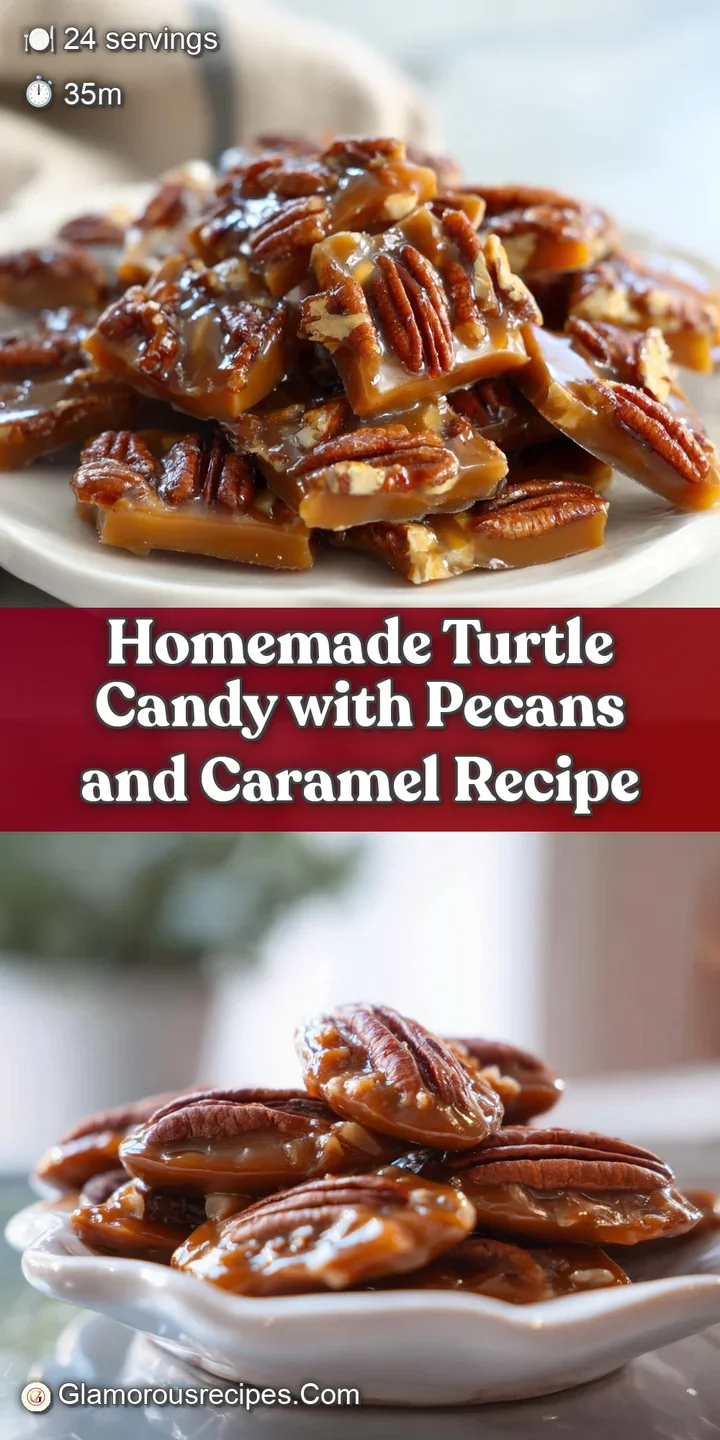
Homemade Turtle Candy with Pecans and Caramel
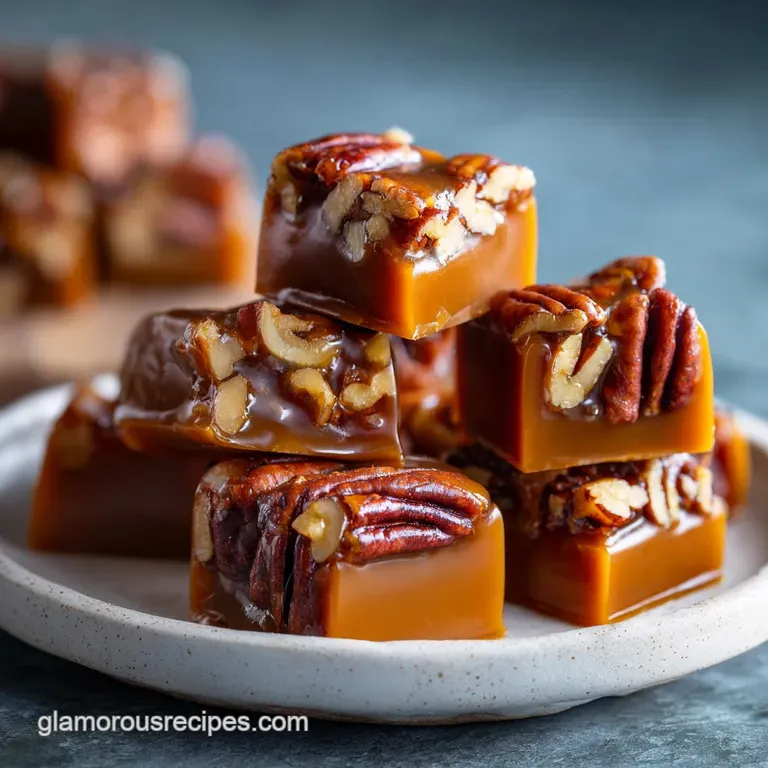
- Time: Active 20 minutes, Passive 15 minutes, Total 35 minutes
- Flavor/Texture Hook: Toasty, buttery crunch with a silky, melt in-your mouth finish
- Perfect for: Holiday gifting, Sunday dinner treats, or a sacred family tradition
- Perfect Homemade Turtle Candy with Pecans and Caramel
- Why This Layered Treat Works
- Essential Timing and Texture Specs
- The Components of Gourmet Turtles
- Tools for Candy Making Success
- Step-by-Step Candy Making Guide
- Fixes for Common Candy Mistakes
- Tasty Variations and Flavor Twists
- Storage Tips and Freshness Secrets
- How to Serve These Beauties
- Recipe FAQs
- 📝 Recipe Card
Perfect Homemade Turtle Candy with Pecans and Caramel
The kitchen smells like a dream right now that heady, deep aroma of toasted nuts and browning butter is basically my love language. I remember the first time I tried making these; I was so nervous about the caramel that I ended up with something closer to a brick than a soft candy.
But after years of Sunday dinners where these were the star of the dessert tray, I’ve finally nailed the rhythm of the boil and the snap of the chocolate. Indulge in this recipe for homemade turtle candy with pecans and caramel, a guaranteed sweet sensation.
This isn't just about melting sugar; it's about the layers of comfort that remind me of my grandmother’s kitchen in the South. We used to sit at the worn oak table, carefully arranging little "claws" of pecans while she told stories about her own mother making these during the holidays.
There’s something sacred about a recipe that brings people together like this, and I promise you, once you taste a cluster that hasn't been sitting on a grocery store shelf for months, you'll never go back.
We’re going to walk through this step-by-step so you don't have to worry about the "scary" parts of candy making. We’ll talk about why that corn syrup is actually your best friend here and how to get that velvety chocolate finish that snaps just right when you bite into it.
Trust me, it’s much simpler than it looks, and the results are honestly better than anything you’d find in a fancy gold box.
Why This Layered Treat Works
Understanding the "how" behind the sugar makes the whole process feel less like a chemistry experiment and more like a craft. Here is why this specific method ensures a perfect result every time:
- Interfering Agents: The light corn syrup acts as an "interferer," preventing sugar crystals from bonding together and turning your smooth caramel into a grainy mess.
- Starch Gelatinization: Roasting the raw pecans first doesn't just add flavor; it dries out the nut slightly so it stays crispy even when encased in warm caramel.
- Fat Emulsification: Using high fat butter creates a stable emulsion with the sugar, resulting in a rich, velvety mouthfeel rather than a greasy finish.
- Thermal Stability: Adding a touch of coconut oil to the semi sweet chips lowers the chocolate's melting point, giving it a professional sheen and a softer "bite" that won't shatter into a mess.
| Method | Time | Texture | Best For |
|---|---|---|---|
| Traditional Stovetop | 15 minutes | Chewy, deep amber | Authentic flavor junkies |
| Microwave Quick Fix | 8 minutes | Soft, pale gold | Busy weeknight cravings |
| Slow Cooker Batch | 3 hours | Very soft, fudge like | Large holiday parties |
Using the stovetop method allows you to watch the color change in real time. Much like building the flavors in a Deep Caramel Notes recipe, the slow simmer is where the magic happens. You want to see that pale yellow turn into a rich, warm sunset hue before you pull it off the heat.
Essential Timing and Texture Specs
Before we jump into the heat, let’s look at the "Checkpoints of Success." These are the three things you need to keep in mind to ensure your kitchen doesn't turn into a sticky disaster zone. Precision is key when you're working with sugar, and these benchmarks will keep you on track.
- The Toasting Point: Your pecans should spend exactly 8 to 10 minutes in a 350°F (180°C) oven. You’re looking for them to smell fragrant if they start to look dark brown, they’ll taste bitter.
- The Soft Ball Stage: If you’re using a candy thermometer, you are aiming for 235°F to 240°F. This ensures the caramel holds its shape but remains soft enough to chew without a struggle.
- The Set Time: Do not rush the cooling! The candy needs at least 30 minutes at room temperature before you even think about moving it. For the best "snap," an hour is even better.
The Components of Gourmet Turtles
Choosing the right elements is the difference between a "fine" candy and one that people beg you for every year. We are going for quality over quantity here, focusing on high fat fats and fresh nuts.
| Ingredient | Science Role | Pro Secret |
|---|---|---|
| Unsalted High Fat Butter | Provides the fat structure for the emulsion. | Use European style butter for a richer, more buttery "pull." |
| Raw Pecan Halves | Adds structural crunch and earthy contrast. | Always buy raw; pre roasted nuts often taste stale after a second bake. |
| Light Corn Syrup | Prevents crystallization and adds "gloss." | Don't skip it; it's the insurance policy against a grainy texture. |
For a truly sophisticated pairing, I often serve these alongside a crisp, cold drink. If you want something unique that isn't too heavy, try my Vanilla Cream Soda Recipe; the floral notes of the vanilla play beautifully against the toasted pecans.
Tools for Candy Making Success
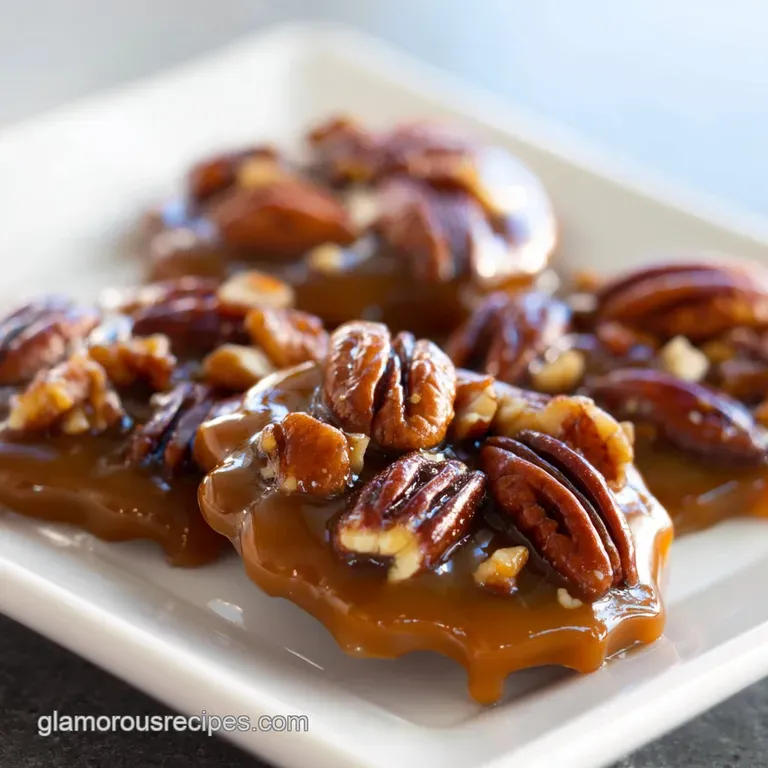
You don't need a professional laboratory, but a few specific tools will make your life much easier. First, a heavy bottomed saucepan is non negotiable. Thin pans create hot spots that will scorch your sugar before the rest of the pot is even warm.
- Parchment Paper or Silicone Mats: Do not try to drop caramel onto a greased cookie sheet; it will stick. Silicone mats (like Silpat) are the gold standard here.
- Candy Thermometer: While the "cold water test" works for experts, a digital thermometer takes the guesswork out of the soft ball stage.
- Offset Spatula: This is the best tool for smoothing that velvety chocolate over the caramel centers without making a huge mess.
step-by-step Candy Making Guide
Let’s get to the fun part. Put on some music, clear off your counters, and let’s make some magic.
- Roast the 2 1/2 cups raw pecan halves. Spread them on a baking sheet and bake at 350°F (180°C) for 8 to 10 minutes until they smell intensely nutty and look slightly toasted.
- Arrange the pecan clusters. On a lined sheet, group the pecans into 24 small piles (about 3-4 halves each) in a "cross" or "star" shape. Note: This creates the "legs" of your turtle.
- Melt the 1 cup butter and 1 cup light brown sugar. Combine them in a heavy saucepan over medium heat with the 1/2 cup light corn syrup.
- Boil the caramel mixture. Stir constantly until the mixture reaches 235°F on a candy thermometer. This usually takes about 5 to 7 minutes of active bubbling.
- Finish the caramel. Remove from heat and immediately stir in the 1 teaspoon vanilla extract and 1/4 teaspoon fine sea salt. Note: It will hiss and bubble this is normal!
- Spoon caramel over pecans. Work quickly to drop about a tablespoon of caramel over the center of each pecan cluster. Wait until the caramel stops flowing and begins to set.
- Prepare the chocolate cap. Melt the 1 1/2 cups semi sweet chocolate chips with 1 tablespoon coconut oil in 30 second bursts in the microwave.
- Top the turtles. Spoon a dollop of the melted chocolate over the set caramel, spreading it slightly to the edges.
- Add the final touch. Sprinkle the remaining 1/2 teaspoon sea salt over the wet chocolate until each cluster looks like a sparkling gem.
- Let them set. Leave the tray at room temperature for at least 1 hour until the chocolate is firm and the caramel is stable.
Fixes for Common Candy Mistakes
Even the best cooks have days where the sugar just doesn't want to cooperate. If things look a bit wonky, don't panic. Most candy issues can be traced back to temperature or moisture.
Why Your Caramel Is Runny
If your caramel pools into a flat puddle and never firms up, you likely didn't cook it long enough. Caramel needs to hit that magic 235°F mark to have enough structural integrity.
If this happens, you can actually scrape it back into the pot, add a tablespoon of water, and re boil it to the correct temperature.
Why Your Caramel Is Grainy
Graininess happens when a single sugar crystal on the side of the pot falls back into the mixture and starts a chain reaction. To prevent this, use a wet pastry brush to "wash down" the sides of the pot during the early stages of boiling.
If it's already grainy, adding a tiny bit more corn syrup and reheating can sometimes save the batch.
| Problem | Root Cause | Solution |
|---|---|---|
| Sticky Caramel | Under cooked (below 235°F) | Chill in the fridge to firm up, or re boil. |
| Hard/Brittle Caramel | Over cooked (above 250°F) | Enjoy it as "Turtle Toffee" instead of soft candy! |
| Chocolate Won't Set | Too much oil or high humidity | Place in the fridge for 15 minutes to force a set. |
Common Mistakes Checklist
- ✓ Pat your pecans dry if they seem oily before roasting.
- ✓ Use a heavy bottomed pot to prevent localized scorching.
- ✓ Don't stir the caramel too vigorously once it starts boiling; gentle is better.
- ✓ Ensure your measuring cups are dry; even a drop of water can seize chocolate.
- ✓ Let the caramel cool for at least 10 minutes before adding the chocolate cap.
Tasty Variations and Flavor Twists
Once you've mastered the classic, the world is your oyster or your turtle. I love experimenting with different nut bases or even changing the type of "shell" on top.
- The Tropical Twist: Swap the pecans for macadamia nuts and use white chocolate for the cap. It’s light, buttery, and feels like a vacation.
- The "Salted Caramel" Lover: Use dark chocolate (70% cocoa) and double the sea salt on top for a sophisticated, less sweet version.
- The Shortcut Version: If you are in a massive rush, you can melt high-quality store-bought caramels with a splash of heavy cream. It won't have that same deep "burnt sugar" flavor, but it works in a pinch!
| Original Ingredient | Substitute | Why It Works |
|---|---|---|
| Pecans | Walnuts or Cashews | Similar fat content. Note: Walnuts add a slight bitterness that pairs well with milk chocolate. |
| Light Corn Syrup | Brown Rice Syrup | Provides the same anti crystallization properties. |
| Butter | Vegan Butter Sticks | Use a high fat brand. Note: May result in a slightly softer caramel that needs refrigeration. |
Storage Tips and Freshness Secrets
These candies are surprisingly hardy, but they do have a few enemies: heat and humidity. If you live in a swampy climate, keep these in an airtight container with a piece of parchment paper between the layers.
Fridge Life: They will stay fresh and delicious for up to 3 weeks in the refrigerator. Just be sure to bring them to room temperature before serving so the caramel is soft and "pull y" rather than hard.
Freezer Life: You can freeze these for up to 3 months! Wrap them individually in plastic wrap and then place them in a freezer bag. This is a life saver for holiday prep.
Zero Waste Tip: If you have leftover caramel in the pot, don't scrub it away! Pour in some warm milk and stir it over low heat. You'll end up with the most incredible homemade caramel latte or hot cocoa base.
How to Serve These Beauties
Presentation is everything when it comes to handmade gifts. I like to place each turtle in a small fluted paper candy cup. It makes them look like they came straight from a boutique and keeps them from sticking to each other if the room gets a bit warm.
For a party, I usually arrange them on a vintage silver platter or a wooden board. They pair excellently with a strong espresso or a glass of tawny port after a heavy Sunday dinner. The contrast between the bitter drink and the sweet, velvety chocolate is the perfect way to end a meal.
If you're feeling adventurous, you can even chop up a few "mistake" turtles and fold them into softened vanilla bean ice cream. It's a game changer for a simple dessert!
Recipe FAQs
Is it true you must use a candy thermometer for this recipe?
No, this is a common misconception. While a thermometer guarantees accuracy, you can use the cold water test by dropping a bit of caramel into ice water to check for the soft ball stage.
How to prevent the caramel from becoming grainy after cooking?
Wash down the sides of the saucepan frequently during boiling. Use a pastry brush dipped in clean water to wipe down any sugar crystals clinging to the pot walls to prevent them from seeding the entire batch.
Can I substitute the pecans with walnuts for this recipe?
Yes, walnuts are a suitable substitute. Walnuts have a similar fat content to pecans, though they introduce a slightly bitter edge that complements the sweet caramel well, similar to the flavor balancing technique used in our Homemade Red Pepper recipe.
How to melt the chocolate cap for a smooth, shiny finish?
Melt chocolate slowly in the microwave at 50% power, stirring every 30 seconds. Add a tiny amount of coconut oil to lower the melting point, which helps achieve that professional sheen and prevents the chocolate from seizing.
Why is my caramel runny and won't hold its shape?
The caramel did not reach the soft ball stage temperature of 235°F. If it is still liquid, scrape it back into the pot, add a splash of water, and re-boil until the thermometer registers the correct temperature.
How far in advance can I prepare these homemade turtles?
They can be made up to three weeks ahead of time. Store them in an airtight container at room temperature or in the refrigerator; they freeze excellently for up to three months if wrapped individually.
How do I ensure the pecans are perfectly crunchy before adding caramel?
Roast raw pecans at 350°F for 8 to 10 minutes until aromatic. This step dries out the nut, ensuring maximum crunch that holds up against the warm caramel, a process that requires precise thermal control similar to making a stable custard base in our Cuisinart Ice Cream Recipes.
Homemade Pecan Turtle Candy
Ingredients:
Instructions:
Nutrition Facts:
| Calories | 246 kcal |
|---|---|
| Protein | 1.4 g |
| Fat | 18.9 g |
| Carbs | 21.1 g |
| Fiber | 1.2 g |
| Sugar | 17.8 g |
| Sodium | 73 mg |
