Homemade Alfredo Sauce Recipe: Silky & Savory
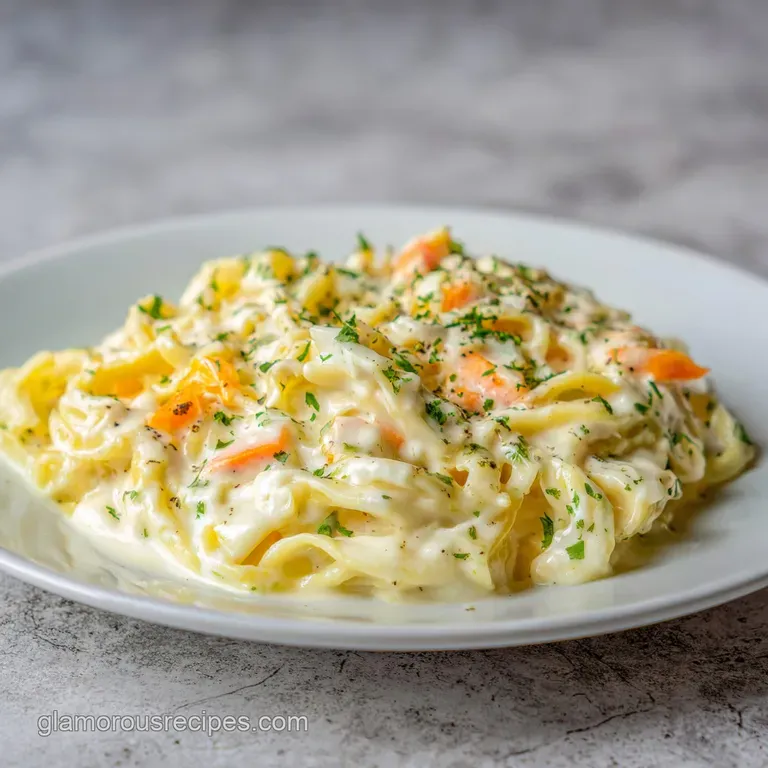
- Time: Active 5 minutes, Passive 10 minutes, Total 15 minutes
- Flavor/Texture Hook: Silky, buttery, and deeply savory
- Perfect for: Quick weeknight comfort or impressive Sunday dinners
- Mastering the Ultimate Homemade Alfredo Sauce Recipe
- Ditching the Flour Based Roux
- Why This Simple Emulsion Works
- Essential Recipe Specs and Servings
- The Science of Your Ingredients
- Tools for a Silky Finish
- Following the Scent to Success
- Fixing Any Messy Sauce Mishaps
- Fun Ways to Swap Flavors
- Keeping Your Leftovers Fresh Longer
- Dishes That Pair Well Together
- High in Sodium
- Recipe FAQs
- 📝 Recipe Card
Mastering the Ultimate Homemade Alfredo Sauce Recipe
The first time I tried to make a homemade alfredo sauce recipe, I followed a random internet tip that involved using a lot of flour. It turned into a thick, gummy paste that looked more like wallpaper glue than dinner. I was devastated, sitting there with a bowl of clumpy fettuccine while my friends waited.
That night, I realized that the secret to the best Italian comfort food isn't about adding more stuff - it is about the chemistry of the ingredients you already have.
When you walk into the kitchen to start this, the first thing you'll notice is the aroma of the butter melting. It should smell nutty and rich, not burnt. Then comes the garlic. When those three minced cloves hit the hot fat, the scent is sharp and punchy, but as it softens, it turns sweet and mellow.
It is a sensory signal that you are about to create something truly special.
We are going for a sauce that is so smooth it looks like liquid silk. We want it to coat the back of a spoon without dripping off instantly, but we definitely don't want it heavy enough to sink a ship. This version is all about balance, using heavy cream and real Parmigiano Reggiano to get that iconic, salty bite.
Ditching the Flour Based Roux
Most of us grew up thinking every white sauce needs a roux. We whisk flour and butter until our arms ache, hoping the raw flour taste disappears. But here is the truth: authentic alfredo doesn't need flour. In fact, adding flour often masks the delicate sweetness of the cream and the complexity of the cheese.
By leaving it out, we let the dairy shine.
This method relies on a reduction. We are essentially simmering the water out of the cream to thicken it naturally. It takes a few extra minutes of patience, but the result is a much cleaner flavor. You won't have that "heavy" feeling in your stomach that comes from starch heavy sauces.
It is lighter on the palate but richer in taste.
The transition from a liquid cream to a thick sauce happens almost invisibly. One minute it's bubbling away, and the next, it's clinging to the sides of the pan. That's the moment of magic. We are building a stable emulsion that stays creamy even as it cools on your plate.
Why This Simple Emulsion Works
Cooking is just delicious science, and this sauce is a prime example of fat stabilization. When we simmer the heavy cream, we are concentrating the fat globules. As we stir in the cheese, those fats bond together, creating a unified, thick texture.
Fat Concentration: Reducing the heavy cream evaporates water, which increases the percentage of butterfat in the pan.
Protein Suspension: The proteins in the Parmigiano Reggiano melt into the warm cream, creating a lattice that holds the sauce together.
Flavor Volatility: Using white pepper and nutmeg adds "high notes" that cut through the heavy fats, making the sauce feel more vibrant.
| Method | Total Time | Texture | Best For |
|---|---|---|---|
| Classic Reduction | 15 minutes | Silky, buttery, thin coat | Traditional Fettuccine |
| Quick Starch Fix | 8 minutes | Thick, opaque, heavy | Casseroles or Dips |
| Milk & Flour | 12 minutes | Light, slightly grainy | Budget friendly meals |
The classic reduction method used in this homemade alfredo sauce recipe provides the most authentic mouthfeel. While the starch based versions are faster, they lack the translucent glow of a real cream sauce. Choosing the right method depends on whether you want a quick meal or a gourmet experience.
Essential Recipe Specs and Servings
Getting the ratios right is the difference between a greasy mess and a masterpiece. This recipe is designed to serve four people generously, which usually means it's perfect for one 500g box of pasta. If you are cooking for a crowd, keep in mind that this sauce does not like to sit around for hours.
It is best served the moment the cheese has melted.
| Servings | Heavy Cream | Parmigiano Reggiano | Butter | Cook Time |
|---|---|---|---|---|
| 2 People | 180g (3/4 cup) | 75g (3/4 cup) | 57g (1/4 cup) | 10 minutes |
| 4 People | 360g (1.5 cups) | 150g (1.5 cups) | 115g (1/2 cup) | 15 minutes |
| 8 People | 720g (3 cups) | 300g (3 cups) | 230g (1 cup) | 22 minutes |
If you are scaling up to eight people, use a much wider skillet rather than a deep pot. The increased surface area helps the cream reduce faster without scorching the bottom. This ensures every drop of your sauce stays ivory white and tastes fresh.
The Science of Your Ingredients
To get that velvety finish, every component in your pan has a specific job to do. If you love making your own toppings, my Horseradish Sauce recipe is another staple that relies on similar dairy principles to achieve its bite. In this alfredo, the "bite" comes from the aged cheese and the subtle warmth of the spices.
| Ingredient | Science Role | Pro Secret |
|---|---|---|
| Heavy Cream (360g) | Primary Emulsifier | Use "Heavy" not "Whipping" for higher fat stability. |
| Unsalted Butter (115g) | Flavor Carrier | Add half at the start and half at the end for extra shine. |
| Parmigiano (150g) | Structural Binder | Grate it yourself on a microplane so it melts instantly. |
| Ground Nutmeg (1/4 tsp) | Aromatic Contrast | Buy whole berries and grate fresh to release oils. |
Ingredients & Substitutes
- 1/2 cup (115g) Unsalted Butter: You can use salted, but reduce the added salt by half. Why this? Provides the foundational fat and a toasted, nutty aroma.
- 3 cloves Fresh Garlic, minced: Use 1 tsp garlic powder in a pinch. Why this? Adds a savory depth that balances the sweet cream.
- 1.5 cups (360g) Heavy Cream: Whole milk plus 1 tbsp cornstarch works as a lower fat swap. Why this? Its high fat content prevents the sauce from curdling.
- 1.5 cups (150g) Parmigiano Reggiano: Grated Pecorino Romano for a saltier, sharper kick. Why this? The aged proteins melt into a smooth, non stringy finish.
- 1/4 tsp Ground Nutmeg: Leave it out if you dislike it, but it adds "hidden" depth. Why this? Mimics the traditional Italian flavor profile of white sauces.
- 1/2 tsp Salt: Use sea salt for a cleaner taste. Why this? Enhances the natural sweetness of the dairy.
- 1/4 tsp White Pepper: Black pepper works but will leave dark specks in the sauce. Why this? Provides heat without affecting the beautiful ivory color.
Tools for a Silky Finish
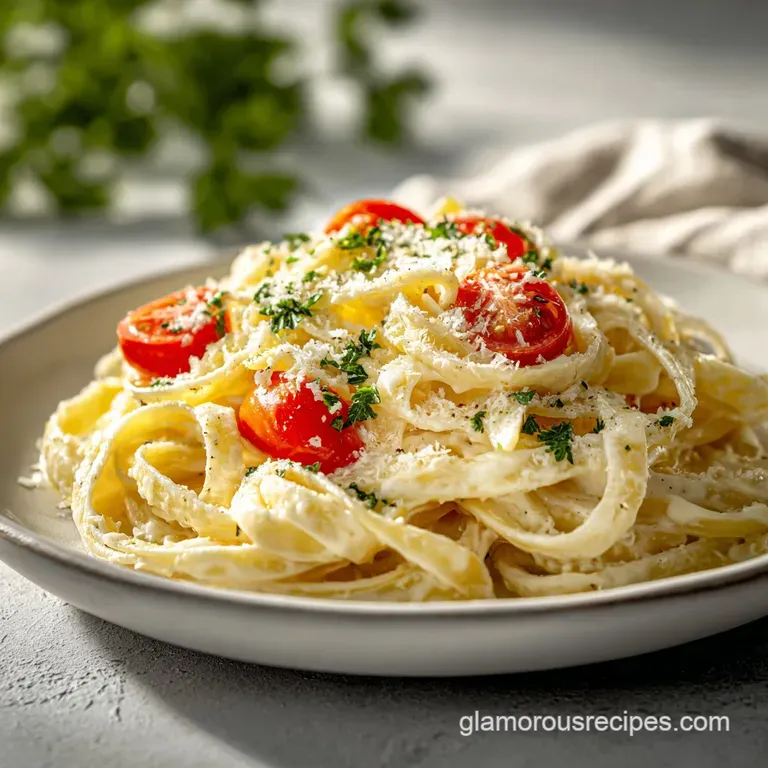
You don't need a professional kitchen, but a few specific tools make this process much easier. A heavy bottomed skillet is your best friend here. Cheap, thin pans have "hot spots" that can cause the cream to scorch or the cheese to stick and burn before it melts.
Stainless steel or enameled cast iron are the gold standards for this.
A silicone whisk is also essential. You want to be able to scrape the "fond" or the little bits of garlic and browned butter from the corners of the pan. Unlike a metal whisk, silicone won't scratch your cookware and is better at incorporating the cheese into the liquid cream without creating air bubbles.
Chef's Tip: Freeze your block of Parmesan for 10 minutes before grating. It makes the cheese firmer and prevents it from clumping together into a ball as you grate it, ensuring a "snow like" texture that melts the second it hits the pan.
Following the Scent to Success
- Melt the butter. Place 115g of unsalted butter in a large skillet over medium low heat. Note: Low heat prevents the butter from browning too quickly.
- Sauté the garlic. Add the 3 cloves of minced garlic. Cook for 1 to 2 minutes until the kitchen smells like a cozy Italian bistro. Do not let the garlic turn brown.
- Pour in the cream. Slowly add 360g of heavy cream to the skillet. Note: Pouring slowly helps the cream temper so it doesn't "shock" and separate.
- Simmer and reduce. Bring the mixture to a gentle simmer. Cook for about 5 minutes until the liquid has reduced by about a third.
- Season the base. Stir in 1/2 tsp salt, 1/4 tsp white pepper, and 1/4 tsp nutmeg. Note: Nutmeg is the "secret" ingredient that makes people wonder why yours tastes better.
- Incorporate the cheese. Turn the heat to low and add 150g of freshly grated Parmigiano Reggiano in three batches. Whisk constantly until the cheese disappears into the cream.
- Check the consistency. Dip a spoon into the sauce. It should coat the back of the spoon until it looks like thick, glossy house paint.
- The final marriage. If serving with pasta, toss the hot noodles directly into the pan. Stir until the sauce clings to every inch of the pasta.
Fixing Any Messy Sauce Mishaps
Alfredo is temperamental. If the heat is too high, the cheese will seize up and turn into a rubbery ball. If the cream hasn't reduced enough, you'll end up with a watery soup. The good news is that almost every mistake in a homemade alfredo sauce recipe can be fixed with a little bit of heat management.
The Sauce Is Clumpy
If you see little white bits of cheese that won't melt, your heat was likely too high. The proteins "seized" instead of emulsifying. To fix this, remove the pan from the heat and whisk in a tablespoon of very hot pasta water. The starch in the water acts as a bridge to help the fats and proteins reconnect.
The Sauce Is Thin
If your sauce looks more like milk than gravy, it just needs more time. Turn the heat up slightly to a medium simmer and keep whisking. You are waiting for the water to evaporate. If you are in a rush, adding an extra handful of finely grated cheese will thicken it up instantly, though it will make the dish saltier.
| Problem | Root Cause | Solution |
|---|---|---|
| Grainy Texture | Pre shredded cheese used | Use only freshly grated cheese from a block. |
| Separated Oil | Heat was too high | Remove from heat and whisk in 1 tbsp cold cream. |
| Bland Flavor | Needs more acid or salt | Add a tiny squeeze of lemon or more Parmigiano. |
Common Mistakes Checklist - ✓ Avoid pre shredded cheese at all costs (the cellulose coating prevents melting). - ✓ Never let the cream reach a rolling, violent boil; a gentle simmer is safer. - ✓ Use a wide skillet to allow for even evaporation and faster reduction.
- ✓ Always save a cup of pasta water before draining your noodles. - ✓ Warm your serving bowls so the sauce doesn't seize when it hits the cold ceramic.
Fun Ways to Swap Flavors
While the classic version is sacred in many households, there's plenty of room to play. I often like to add a pinch of red pepper flakes at the same time as the garlic for a "spicy alfredo" that wakes up the palate. It's not traditional, but it sure is delicious on a cold winter night.
For a protein boost, you can stir in some blackened chicken or sautéed shrimp at the very end. The charred seasoning from the meat bleeds into the white sauce, creating a beautiful marbled effect and adding a smoky depth. If you want a more casual dipping experience, you might even like my ChickfilA Sauce recipe as a side for breadsticks while you wait for the main course.
- For a Zesty Kick: Add 1 tbsp of lemon zest and 1 tsp of fresh lemon juice at the end.
- For an Earthy Vibe: Sauté 200g of sliced cremini mushrooms with the garlic.
- For a Lighter Feel: Swap half the cream for chicken broth and whisk in 1 tsp of cornstarch.
Keeping Your Leftovers Fresh Longer
Leftover alfredo is notorious for turning into a block of yellow grease in the fridge. This happens because the fats solidify as they cool. To store it, place the sauce in an airtight container for up to 3 days. When you are ready to eat, do not use the microwave if you can avoid it.
The intense, uneven heat will cause the sauce to "split" into oil and solids.
Instead, reheat it on the stovetop over very low heat. Add a splash of milk or a tiny bit of water to help loosen the structure. Whisk it constantly as it warms up, and it should return to its former silky glory. If you must use a microwave, do it in 15 second intervals, stirring vigorously between each session.
Freezing alfredo is possible but not ideal. Dairy has a tendency to change texture once frozen and thawed. If you do freeze it, it will keep for about 2 months. Thaw it completely in the fridge before attempting to reheat it on the stove with extra cream to bring the emulsion back together.
Dishes That Pair Well Together
Since this homemade alfredo sauce recipe is so rich, it needs something bright or crunchy to balance the meal. A simple arugula salad with a sharp lemon vinaigrette is my favorite way to cut through the heavy cream. The bitterness of the greens acts as a perfect "palate cleanser" between bites of cheesy pasta.
For a true Sunday dinner feel, serve this alongside some garlic herb roasted chicken or even a piece of grilled salmon. The acidity in the fish or the savory herbs in the chicken complement the nutmeg and white pepper in the sauce beautifully.
If you have leftover sauce, don't throw it out! It makes a fantastic base for a white pizza the next day. Just spread it over raw dough, top with some spinach and mozzarella, and bake until bubbly. It is a zero waste way to enjoy every single drop of that liquid gold you worked so hard to create.
High in Sodium
934 mg of sodium per serving (41% of daily value)
The American Heart Association recommends limiting sodium intake to approximately 2,300mg per day for optimal health.
Tips to Reduce Sodium in Your Creamy Parmesan Sauce
-
Reduce Parmesan-15%
Parmigiano Reggiano is a major sodium contributor. Try using 1 cup (100g) instead of 1.5 cups (150g) while still maintaining a creamy, rich texture.
-
Reduce Added Salt-25%
This recipe includes 1/2 tsp of added salt. Start by using only 1/4 tsp or even omitting it entirely, tasting and adjusting to your preference at the end. You might not need it with the parmesan!
-
Lower Sodium Cream-5%
While heavy cream doesn't have a ton of sodium, selecting a brand with slightly less sodium can contribute to overall reduction. Look for brands with lower sodium content per serving.
-
Enhance with Spices
Instead of relying on salt for flavor, experiment with herbs and spices like garlic powder, onion powder, or dried basil to enhance the savory notes of the dish.
Recipe FAQs
What are the main ingredients in Alfredo sauce?
Butter, heavy cream, and aged Parmigiano Reggiano cheese. Authentic Alfredo relies solely on these three dairy components plus seasonings like salt and nutmeg; flour or milk are unnecessary additions for the classic texture.
What is the secret to a good Alfredo sauce?
Reducing the heavy cream and grating the cheese finely yourself. Simmering the cream concentrates the fat, and using freshly microplaned cheese ensures a smooth emulsion instead of clumps; if you master this technique here, you can apply the same fat stabilization principles to our En Glaze Recipe.
Can I use milk instead of heavy cream in my Alfredo sauce?
No, not for authentic results. Milk is too low in fat and will result in a thin, watery sauce that separates easily; you must use heavy cream or at least half and-half for the necessary fat content.
Is Alfredo high in potassium?
Generally, no, it is low in potassium. The sauce is overwhelmingly high in saturated fats and sodium from the butter and cheese; for high potassium meals, you should focus on vegetables or specific recipes like our Authentic German Frikadellen recipe which utilizes spinach.
How to prevent Alfredo sauce from becoming grainy after adding the cheese?
Remove the pan from the heat entirely before stirring in the cheese. High, direct heat causes the protein in the cheese to seize and clump instead of melting smoothly into the reduced cream base.
How long can I reduce the heavy cream without burning it?
Simmer gently for 5 to 8 minutes over low heat. You are looking for the volume to reduce by about one-third; watch closely, as scorching the milk solids on the bottom of the pan will ruin the final flavor.
What can I add to lighten the sauce without ruining the texture?
Use a small splash of reserved, starchy pasta water. Do not add cold liquid, but instead, use the water you boiled the pasta in to thin the sauce just slightly and help it adhere better to the noodles.
Homemade Alfredo Sauce Recipe
Ingredients:
Instructions:
Nutrition Facts:
| Calories | 662 kcal |
|---|---|
| Protein | 14 g |
| Fat | 65 g |
| Carbs | 4 g |
| Fiber | 0 g |
| Sugar | 3 g |
| Sodium | 934 mg |
