Single Serving French Toast Recipe
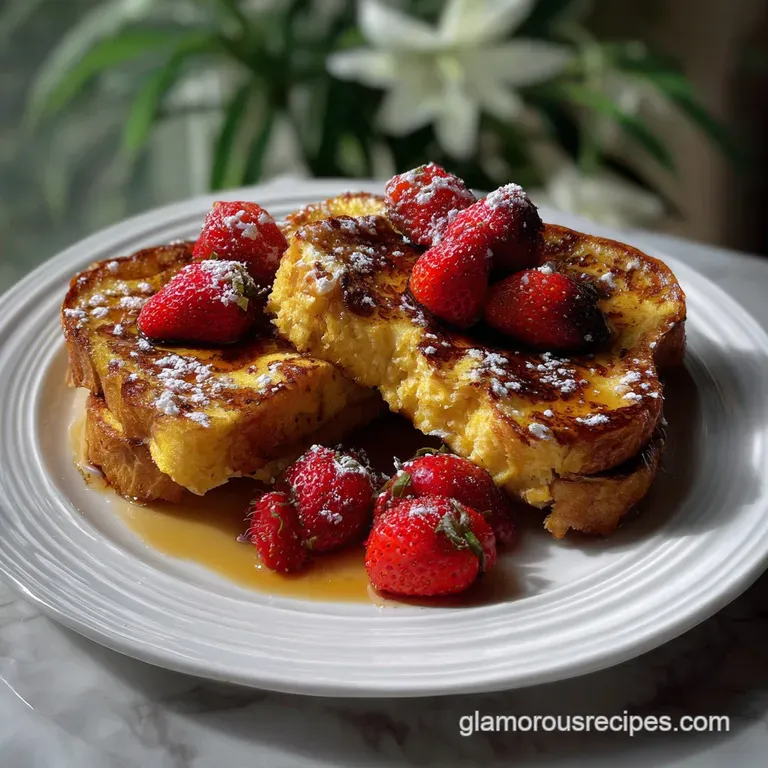
- Time: Active 5 minutes, Passive 10 minutes, Total 15 minutes
- Flavor/Texture Hook: Shatter crisp edges with a silky, warm brioche interior
- Perfect for: Slow Sunday mornings or a quick, comforting weekday treat
- Achieving the Perfect Golden French Toast for One
- Chemistry of Custard and Caramelization
- Essential Metrics for Success Every Morning
- Selecting Finest Ingredients for Your Meal
- Tools for a Perfect Golden Crust
- Mastering the Method for Restaurant Results
- Solving Mysteries of Sogginess and Scorching
- Personalizing Your Small Solo Breakfast
- Preservation Strategies for Future Comfort
- Finishing Touches for Your Morning
- Essential Success Factors for Solo Cooking
- Recipe FAQs
- 📝 Recipe Card
There is something deeply sacred about a quiet morning spent in your own company, especially when the kitchen starts to smell like warm cinnamon and melting butter. Most recipes for this classic dish are designed to feed a whole crowd, leaving solo diners to guess at the measurements or end up with a pile of leftovers that lose their charm the moment they cool.
I remember a time when I tried to scale down a family sized recipe and ended up with a bowl of liquid that could have drowned an entire loaf. It was a mess, and frankly, a waste of good brioche.
This guide is about reclaiming that solo breakfast experience. We are moving away from guesswork and focusing on the specific harmony required for french toast for one. It is not just about reducing the volume, it is about maintaining the integrity of the custard so that every bite feels intentional.
Whether you are fueling up for a busy day or lingering over a second cup of coffee, this is the comfort food you deserve.
The beauty of this dish lies in the contrast. We want that golden, caramelized crust that offers a slight crunch, yielding immediately to a center that feels almost like bread pudding. By following this method, you will avoid the common pitfalls of dry, bready centers or greasy, undercooked surfaces.
Let’s get the skillet hot and talk about the simple physics that make this work.
Achieving the Perfect Golden French Toast for One
To get that restaurant quality finish at home, we need to understand how heat and moisture interact with the bread. This isn't just about dipping bread in eggs; it is a delicate dance of proteins and starches.
When we use a Single Serving French Toast Recipe, we are managing a very small amount of thermal mass, which means our timing and temperature control become even more critical than they are with a larger batch.
Stale vs. Fresh Hydration
Fresh bread contains a lot of internal moisture. If you use it right out of the bag, the custard cannot penetrate the crumb because the "slots" are already full of water. By using slightly stale or toasted bread, we create space for the custard to move in.
This ensures the center is flavorful rather than just being plain, wet bread.
The Maillard Reaction
This chemical reaction occurs when the sugars and proteins in the milk and egg hit the hot surface of your Lodge Cast Iron Skillet. It is what creates those deep brown, savory sweet notes. Without enough heat, you just have a steamed piece of bread.
With too much, you burn the sugar before the egg inside has a chance to set.
Emulsification for Texture
Whisking your egg and 60ml of whole milk thoroughly is vital. You are creating an emulsion. If you see streaks of egg white in your custard, they will cook into rubbery patches on your toast. A homogeneous mixture ensures a silky, velvety mouthfeel across the entire surface of the brioche.
Chemistry of Custard and Caramelization
Understanding the "why" behind the sizzle helps you cook with intuition rather than just following a list of steps. The goal is to transform the bread into something entirely new.
- Protein Denaturation: The egg proteins uncurl and bond together when heated, turning the liquid custard into a solid, tender structure that supports the bread.
- Starch Gelatinization: As the 60ml of whole milk heats up inside the bread, the starches in the brioche swell and absorb the liquid, creating that classic creamy interior.
- Sucrose Caramelization: The 5g of granulated sugar melts at 160°C, providing a thin, glass like coating that helps the exterior shatter when you bite into it.
- Capillary Action: Dry bread acts like a sponge, pulling the custard into the center of the slice through tiny microscopic pores.
| Component | Science Role | Pro Secret |
|---|---|---|
| Large Egg | Structural Binder | Whisk until no visible whites remain for a smooth finish |
| Whole Milk | Hydration & Fat | Use full fat for a richer, more velvety internal crumb |
| Brioche | Starch Matrix | Use 2.5cm thick slices to prevent the bread from collapsing |
| Granulated Sugar | Caramelization | A small amount in the custard speeds up the browning process |
Essential Metrics for Success Every Morning
Precision is the friend of the solo cook. Since we are dealing with small quantities, even a slight deviation can change the outcome. Use these metrics to ensure your toast for one is consistent every time you make it.
- Prep Time: 5 minutes
- Cook Time: 10 minutes
- Total Time: 15 minutes
- Bread Thickness: 2.5 cm (exactly 1 inch)
- Internal Temperature: 74°C (165°F) for a safe, set custard
- Pan Temperature: Medium low (approx 175°C surface temp)
| Method | Texture | Time | Best For |
|---|---|---|---|
| Stovetop | Crisp & Buttery | 8-10 mins | Maximum caramelization and speed |
| Oven (190°C) | Fluffy & Even | 12-15 mins | Cooking thicker slices without burning |
| Air Fryer | Shatter Crisp | 6-8 mins | Minimal cleanup and high crunch factor |
Selecting Finest Ingredients for Your Meal
For a Quick French Toast for One, the quality of your ingredients is the only thing that stands between a mediocre breakfast and a great one. Since we are only using a few items, make sure they are the best you can find.
- 1 large egg: Provides the structure and richness.
- 60ml whole milk: Hydrates the bread; the fat content prevents the toast from being tough.
- Why this? Fat in whole milk creates a more tender custard than skim milk.
- 2g McCormick Pure Vanilla Extract: Adds the essential floral aroma.
- 1g ground cinnamon: Provides warmth and cuts through the richness of the egg.
- 5g granulated sugar: Encourages browning and adds a hint of sweetness.
- 0.5g Diamond Crystal Sea Salt: Brightens all the other flavors.
- 2 thick slices brioche bread (approx 90g): The gold standard for its high egg and butter content.
- Why this? Brioche’s tight crumb absorbs liquid without falling apart.
- 10g Kerrygold Unsalted Butter: The medium for frying that adds a nutty, toasted flavor.
| Original Ingredient | Substitute | Why It Works |
|---|---|---|
| Brioche | Challah | Similar high fat dough; creates a sturdy but soft texture |
| Whole Milk | Heavy Cream | Increases richness; note that it will be much more calorie dense |
| Granulated Sugar | Maple Syrup | Adds a woodsy sweetness but may brown faster due to moisture |
| Unsalted Butter | Coconut Oil | Provides a high smoke point and a subtle tropical note |
Tools for a Perfect Golden Crust
The right equipment makes the process seamless. For Best French Toast for One Person, you don't need a kitchen full of gadgets, just a few reliable pieces.
- Lodge 12 inch Cast Iron Skillet: The heavy bottom holds heat exceptionally well, ensuring an even sear across the entire slice.
- OXO Balloon Whisk: Essential for fully incorporating the egg into the milk to prevent those pesky white streaks.
- Shallow Wide Bowl: A wide base allows the bread to lay flat, ensuring every square centimeter is submerged in the custard.
- Fish Spatula: The thin, flexible edge makes it easy to flip the delicate, soaked brioche without tearing the edges.
Chef's Tip: Freeze your butter for 10 minutes before adding it to the pan. Cold butter melts more slowly, giving you a wider window of "foaming" time to get the bread into the pan before the milk solids burn.
Mastering the Method for Restaurant Results

Follow these steps closely. The "sizzle" is your best indicator of success. We want to hear a gentle hiss the moment the bread touches the pan.
- Whisk the base. Combine the egg, 60ml milk, vanilla, cinnamon, sugar, and salt in your shallow bowl. Whisk vigorously until the mixture is a uniform pale tan color.
- Prep the bread. If your brioche is very fresh, pop it in a toaster on the lowest setting for 30 seconds to dry the surface.
- Initial soak. Place the first slice into the custard. Soak for 30 seconds per side. Note: This allows the liquid to reach the very center of the bread.
- Repeat for second slice. Do the same with the second slice, ensuring they both have equal access to the liquid.
- Heat the skillet. Place your Lodge skillet over medium low heat and add the 10g of butter. Wait until the butter foams and the bubbles subside.
- The first sear. Lay the slices into the pan. You should hear a distinct sizzle. Cook for 3 to 4 minutes.
- Monitor the color. Use your spatula to lift a corner. You are looking for a deep, golden mahogany.
- The flip. Carefully turn the slices over. Cook for another 3 to 4 minutes until the center feels firm and springy when pressed.
- The rest. Remove the toast to a plate and let it sit for 60 seconds. Note: This allows the internal steam to redistribute, preventing a "wet" feel.
- Final touch. Dust with a tiny pinch of extra cinnamon or a drizzle of maple syrup while still hot.
Solving Mysteries of Sogginess and Scorching
If your morning meal isn't quite right, it's usually a balance of time and temperature. Similar to the delicate balance required in a Sugar Cookie Recipe, the ratio of fat to moisture is key.
The Soggy Center
If the outside is brown but the inside is mushy, your heat was too high. The outside cooked before the egg proteins inside could set.
| Problem | Cause | Fix | Pro Tip |
|---|---|---|---|
| Soggy Middle | Heat too high | Lower heat, cook longer | Use a lid for 1 min to trap steam |
| Burnt Edges | Too much sugar | Reduce sugar or wipe pan | Use unsalted butter to prevent salt burn |
| Bland Flavor | No salt | Add sea salt to custard | Add a pinch of nutmeg for depth |
Greasy Texture
This happens when the pan isn't hot enough when the bread goes in. The bread absorbs the butter like a sponge instead of searing against it. Always wait for that butter to stop foaming before you start.
Fragile, Breaking Slices
This is a symptom of over soaking. If you leave thin bread in the custard for minutes, the structure dissolves. Stick to the 30 second rule for thick slices, and even less for thinner bread.
Personalizing Your Small Solo Breakfast
This Individual French Toast Recipe is a blank canvas. While the classic version is hard to beat, I often find myself wanting something a bit more interesting depending on the season. If you are looking for a savory twist, think of the bold flavors in a Horseradish Sauce recipe and how those might translate to a savory brunch.
The Savory Flip
Omit the sugar, cinnamon, and vanilla. Add a handful of grated Gruyère and a pinch of black pepper to the custard. Top with a fried egg for a meal that feels like a French bistro classic.
The Citrus Brightener
Add 1g of fresh orange zest to the custard. The oils in the citrus skin cut through the heavy fat of the brioche and butter, making the whole dish feel lighter and more vibrant.
dairy-free Adaptation
Coconut milk: Same fat content but adds nutty/tropical notes. You can also use almond milk, but be aware that it has less fat, so the interior will be slightly less "velvety."
The gluten-free Swap
gluten-free brioche: Moisture rich but denser crumb than traditional brioche. Because gluten-free bread is often more porous, reduce the soak time by half to prevent it from disintegrating.
Preservation Strategies for Future Comfort
While toast for one is best eaten immediately, you might find yourself with an extra slice of bread that was already soaked.
- Storage: Keep cooked leftovers in an airtight container in the fridge for up to 2 days.
- Freezing: You can freeze the cooked slices for up to 1 month. Wrap them tightly in parchment paper and then plastic wrap.
- Reheating: Avoid the microwave, which turns the bread rubbery. Use a toaster oven or the same skillet over low heat to bring back the crispiness.
- Zero Waste: If you have leftover custard, don't throw it out! Whisk in a little more milk and use it as a base for a single serving bread pudding or even a small batch of scrambled eggs with a sweet twist.
Finishing Touches for Your Morning
Presentation is part of the joy of solo dining. Just because it is just you doesn't mean it shouldn't look like a masterpiece.
- Texture map: Top with toasted pecans for a "shatter" effect that contrasts the soft bread.
- Temperature contrast: Serve the piping hot toast with a dollop of cold Greek yogurt or a few frozen berries that will thaw slightly against the heat.
- The Southern way: A small side of savory protein, perhaps reminiscent of the hearty flavors found in a Traditional New Year recipe, can balance out the sweetness of the syrup.
Essential Success Factors for Solo Cooking
Cooking for one requires a different mindset than cooking for a family. You have to be more attentive because things happen faster in a small pan.
Decision Shortcut: If you want a crunchy crust, use 5g extra sugar on the surface of the bread right before flipping. If you want a custard like interior, use 2.5cm thick brioche and soak for the full 60 seconds.
If you want a lighter meal, swap the whole milk for 2% and use only half the butter.
- 1. 30 seconds
- The exact time to soak each side of a 2.5cm slice of brioche.
- 2. Foaming butter
- The visual cue that your pan is at the correct temperature (approx 170°C).
- 3. Springy feel
- When you press the center of the toast, it should bounce back like a sponge, not stay indented.
Small Batch French Toast isn't about compromise; it’s about perfection in a smaller frame. By using the right ratios and respecting the science of the custard, you can turn two slices of bread into the highlight of your week.
Honestly, don't even bother with low-fat versions if you want the real experience. Trust me on this, the full fat milk and the brioche are what make this dish sacred. Now, get that skillet hot and enjoy your quiet morning. It is the ultimate act of self care.

Recipe FAQs
What is the ideal thickness for the bread slices for a single serving?
Exactly 2.5 cm (1 inch). This thickness provides enough structure to absorb the custard without collapsing under its own weight. Thicker bread handles the heat better, resulting in a creamier center rather than a dense, wet one.
Can I make this recipe savory instead of sweet?
Yes, absolutely. Omit the sugar, cinnamon, and vanilla from the custard mixture. You can add grated Gruyère cheese and black pepper directly to the egg wash for a rich, bistro style brunch experience. This savory approach uses the same delicate emulsification technique required for a good sauce, similar to what’s needed when making a savory coating for our Easy Broiled Lobster Tails for Quick: Succulent 18-Minute Dinner.
Why is my French toast soggy in the middle even after cooking for 10 minutes?
Your pan heat was too high initially. This burns the exterior before the egg proteins can fully set inside the bread. Lower the heat to medium low and be patient; if you master the slow cooking process here, you will apply the same heat management logic perfectly when learning about slow braised comfort foods.
Do I need to use vanilla extract in the custard?
No, it is optional but highly recommended for complexity. While you can make excellent toast without it, vanilla rounds out the flavor profile created by the egg and sugar. If you skip it, consider boosting the cinnamon or adding a pinch of nutmeg instead, much like we do in our French Toast Without Vanilla: Rich, Spiced Custard.
What is the best alternative to whole milk for a single serving?
Heavy cream diluted with water offers the best texture substitute. Whole milk is best for its fat content, but if you must substitute, use heavy cream cut 50/50 with water to maintain richness without the added calories of straight cream.
How long should I soak the brioche slice in the custard?
Soak each side for exactly 30 seconds. This precise time ensures the custard penetrates the dense brioche crumb completely without dissolving the bread's structure. Oversoaking leads to breakage when flipping.
Can I prepare the custard mixture ahead of time?
Yes, the custard can be prepared up to 24 hours in advance. Whisk it thoroughly until uniform, cover it tightly, and keep it chilled. This practice of preparing components ahead of time is crucial for quick meals, much like batch prepping ingredients for our 10 Delicious Black Eyed Peas Recipes for Easy Southern Meals.
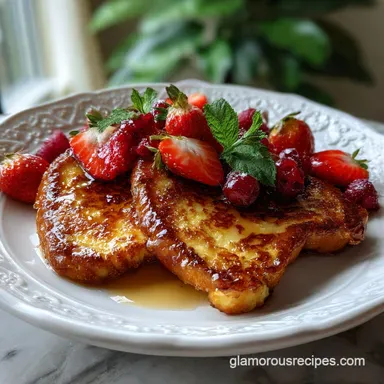
French Toast For One
Ingredients:
Instructions:
Nutrition Facts:
| Calories | 482 kcal |
|---|---|
| Protein | 16.8g |
| Fat | 25.2g |
| Carbs | 47.5g |
| Fiber | 2.1g |
| Sugar | 11.2g |
| Sodium | 565mg |
