Fluffy Pancakes: Cloud-Light and Buttery
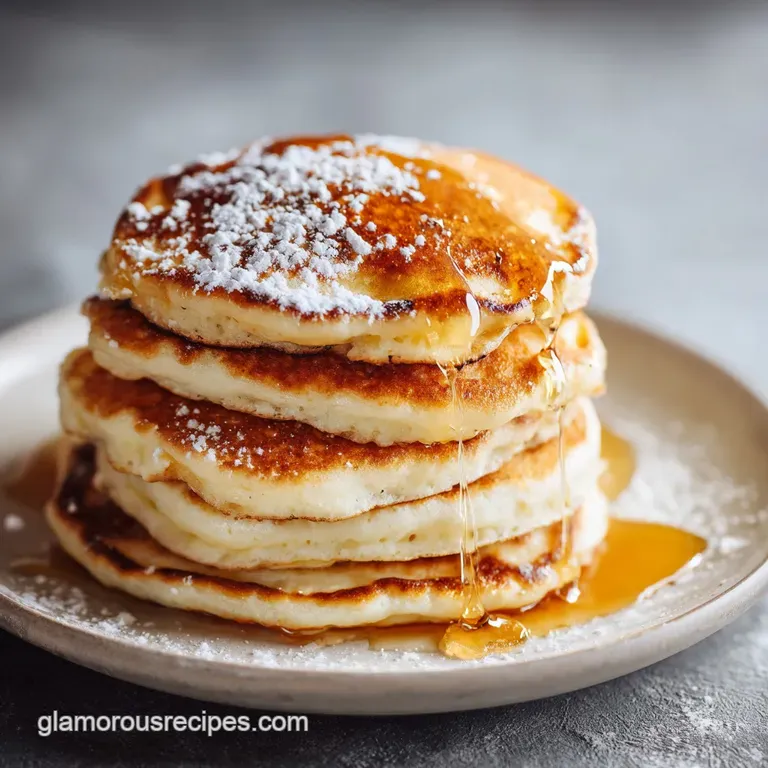
- Time: Active 5 minutes, Passive 10 minutes, Total 15 minutes
- Flavor/Texture Hook: Toasted butter edges with a velvety, pillowy crumb
- Perfect for: Slow Sunday mornings or a fast, comforting weeknight dinner
- Mastering the Ultimate Fluffy Pancakes Recipe
- Pancake Metrics and Time Requirements
- Detailed Analysis of Quality Ingredients
- Why This Recipe Works
- Essential Kitchen Tools for Best Flips
- Executing the Perfect Cooking Process
- Solving Common Pancake Cooking Mistakes
- Creative Variations and Easy Substitutes
- Effective Storage and Reheating Guidelines
- Serving Ideas for Optimal Flavor
- Very High in Sodium
- Recipe FAQs
- 📝 Recipe Card
Mastering the Ultimate Fluffy Pancakes Recipe
Imagine the scent of melting butter hitting a hot griddle that specific, nutty aroma that signals the start of a slow Saturday. There is something deeply sacred about the sound of a whisk hitting the side of a ceramic bowl and the sight of thick batter blooming into golden circles.
For years, I struggled with heavy, leaden discs that felt more like coasters than breakfast. But the secret to the ultimate fluffy pancakes recipe isn't a hidden gadget; it's the chemistry of simple Southern staples handled with a bit of grace.
The first time I got this right, the kitchen was flooded with morning light, and I watched, mesmerized, as the batter didn't just spread, but exhaled, rising nearly an inch tall. The contrast is what makes them special: that slight, salty crunch on the very edge where the butter sizzled, meeting a center so tender it almost dissolves.
We aren't just making breakfast here; we are crafting a bit of edible comfort that brings everyone to the table before the coffee is even finished brewing.
This recipe relies on the classic Southern partnership of buttermilk and baking soda. It’s a fast acting reaction that creates immediate lift, while the baking powder provides a secondary "kick" once the heat hits the pan.
You’ll find that 15 minutes is all it takes to go from a pile of flour to a stack of burnished amber glory. Trust me, once you see that first bubble pop and stay open, you’ll never look at a boxed mix the same way again.
Pancake Metrics and Time Requirements
Before we get the skillet hot, let's look at the logistics. This recipe is designed to be efficient without sacrificing the quality of the rise. Most of your time is actually spent waiting allowing the ingredients to introduce themselves to one another.
Browning and Height Indicators
| Pancake Thickness | Heat Setting | Cook Time (Side 1) | Visual Cue |
|---|---|---|---|
| 1/2 inch | Medium Low | 2-3 minutes | Bubbles pop and stay open |
| 3/4 inch | Low | 4 minutes | Edges look matte and set |
| 1 inch | Medium Low | 3 minutes | Visible steam and height |
Giving the batter those 5 minutes to rest at room temperature is the single most important part of the timeline. While the griddle preheats, the starch granules in the flour are drinking up the buttermilk, ensuring your stack isn't grainy or tough.
It’s the difference between a flat crepe and a towering stack of sourdough style fluff.
Detailed Analysis of Quality Ingredients
The ingredients list might look standard, but the way they interact is pure kitchen magic. We start with 2 cups of all purpose flour, which provides the necessary structure. Using a higher protein flour like bread flour would make these too chewy, while cake flour might make them too fragile to flip.
We want that middle ground a tender but sturdy crumb.
Component Analysis
| Ingredient | Science Role | Pro Secret |
|---|---|---|
| Real Buttermilk | Acidic Catalyst | Use full fat for a richer, more velvety interior |
| Baking Soda | Immediate CO2 Release | Sift it with flour to avoid bitter, soapy pockets |
| Melted Butter | Fat for Tenderness | Let it cool slightly so it doesn't scramble the eggs |
The addition of 3 tbsp of granulated sugar isn't just for sweetness. Sugar is hygroscopic, meaning it holds onto moisture, keeping the pancakes from drying out as they cook. It also aids in that beautiful browning through the caramelization process. If you're looking for a different morning vibe, you might also enjoy experimenting with a whole grain pancake mix for a heartier, nuttier profile that still holds a decent fluff.
Why This Recipe Works
The secret to this fluffy pancakes recipe lies in the "triple threat" of aeration, acidity, and restraint. Most people think more mixing leads to more air, but in the world of pancakes, the opposite is true.
- Carbon Dioxide Trapping: The reaction between the acidic buttermilk and the alkaline baking soda creates thousands of tiny bubbles that get trapped by the flour's gluten network.
- Gluten Inhibition: By using melted butter and eggs at room temperature, we coat the flour particles, preventing them from forming long, tough gluten strands.
- Starch Hydration: The 5 minute rest allows the flour to fully absorb the liquid, which thickens the batter naturally without adding more dry ingredients.
- Thermal Expansion: Baking powder contains a secondary leavener that reacts specifically to heat, giving the pancakes a final "pop" in the pan.
By keeping the batter lumpy, you ensure that the air pockets remain intact. If you whisk until smooth, you’ve essentially popped all the balloons before the party even starts.
Essential Kitchen Tools for Best Flips
You don't need a professional kitchen, but a few specific items will make your life much easier. A heavy bottomed non stick griddle or a well seasoned cast iron skillet is the gold standard here. Cast iron holds heat beautifully, providing that consistent, even browning that thin aluminum pans just can't match.
For mixing, a large balloon whisk is best for the dry ingredients to ensure they are aerated. When it comes to combining the wet and dry, switch to a silicone spatula. The folding motion is much gentler than whisking. I also highly recommend using a 1/4 cup measuring scoop to portion the batter.
This ensures every pancake is the same size, so they all cook at the exact same rate. No more having one raw center while the other is burning.
Executing the Perfect Cooking Process
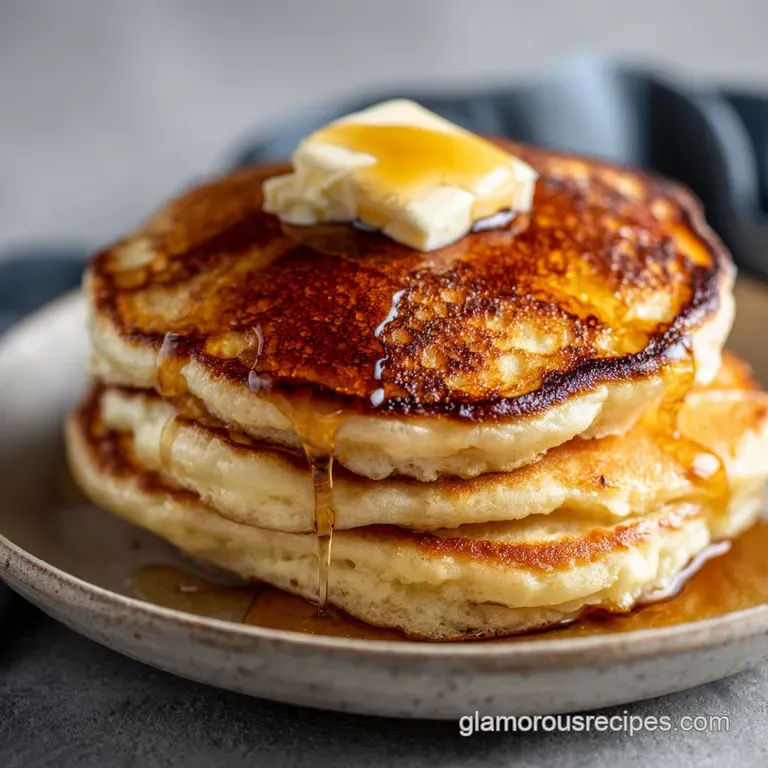
- Whisk 2 cups flour, 3 tbsp sugar, 2 tsp baking powder, 1 tsp baking soda, and 1/2 tsp salt in a large bowl. Note: Whisking for 30 seconds introduces air, making the final result lighter.
- In a separate medium bowl, combine 2 eggs, 480ml buttermilk, and 1 tsp vanilla extract. Note: Whisk until the eggs are completely broken down and no yellow streaks remain.
- Pour the wet mixture into the center of the dry base. Note: Use a spatula to fold gently stop as soon as the flour streaks disappear.
- Let the batter sit undisturbed for 5 minutes. Wait until you see small bubbles forming on the surface of the batter.
- Heat a skillet over medium low heat and add 1 tsp neutral oil. Wait for the oil to shimmer but not smoke.
- Scoop 1/4 cup of batter onto the pan. Note: Don't crowd the pan; leave at least 2 inches between each circle.
- Cook for 2-3 minutes until the bubbles on the top surface pop and stay open.
- Flip the pancake in one confident motion. Wait until the edges look matte and no longer shiny.
- Cook the second side for 60-90 seconds until the bottom is deep golden brown and the center feels springy.
- Remove to a warm plate and repeat with the remaining oil and batter.
Solving Common Pancake Cooking Mistakes
Even with the best intentions, things can go sideways. The most common heartbreak is a pancake that is burnt on the outside but raw in the middle. This usually happens when the pan is too hot. The sugar in the batter caramelizes before the heat can penetrate to the center.
For Pancakes That Are Raw in the Middle
If you cut into a beautiful stack only to find goo, your heat is likely set to medium high. Pancakes need a "low and slow" approach. Lower the flame to medium low and give them a bit more time. If you find yourself in a rush, remember that edible cookie dough is always a faster sweet fix, but for pancakes, patience is the main ingredient.
For Flat, Thin Pancakes
This is usually caused by over mixing or old leavening agents. If your baking powder is more than six months old, it might have lost its potency. Also, check your buttermilk if it's not acidic enough, the baking soda won't have anything to react with.
Quick Fix Table
| Problem | Root Cause | Solution |
|---|---|---|
| Tough or Rubbery | Over mixing the batter | Stop mixing while lumps still remain |
| Greasy Exterior | Too much oil in pan | Use a paper towel to wipe out excess oil |
| Pale and Dry | Pan temperature too low | Increase heat slightly and ensure pan is preheated |
Common Mistakes Checklist
- ✓ Never press down on the pancake with your spatula (it squeezes out the air).
- ✓ Don't flip more than once; it toughens the texture.
- ✓ Ensure the eggs are at room temperature to prevent the melted butter from re solidifying.
- ✓ Always preheat the pan for at least 3 minutes before adding the first drop of batter.
- ✓ Use a neutral oil with a high smoke point, like grapeseed or canola, instead of just butter to prevent burning.
Creative Variations and Easy Substitutes
While the classic version is a masterpiece, sometimes the pantry is bare or you want to shake things up. If you don't have buttermilk, you can make a "hack" version by adding 1 tablespoon of lemon juice or white vinegar to 2 cups of regular milk and letting it sit for 10 minutes.
It won't be quite as thick, but it provides the necessary acid.
Swap Options for Every Pantry
| Original Ingredient | Substitute | Why It Works |
|---|---|---|
| Granulated Sugar (3 tbsp) | Maple Syrup (3 tbsp) | Adds a deeper, woody sweetness. Note: May brown faster |
| Unsalted Butter (56g) | Coconut Oil (56g) | Provides a subtle tropical aroma and similar fat content |
| All purpose Flour (250g) | Whole Wheat Pastry Flour | Higher fiber but keeps the crumb relatively light |
If you are feeling truly fancy, you can try making Japanese souffle pancakes which use a meringue base for even more height. However, for a standard morning, a simple addition of blueberries or chocolate chips into the batter while it's on the griddle (not in the bowl!) is the easiest way to level up.
Effective Storage and Reheating Guidelines
Leftover pancakes are a gift to your future self. They store remarkably well and can be a lifesaver on busy Tuesday mornings. Let the pancakes cool completely on a wire rack before storing; if you stack them while warm, the residual steam will turn them soggy.
Store them in an airtight container or a zip top bag with a piece of parchment paper between each pancake. They will stay fresh in the fridge for up to 4 days. For longer storage, freeze them for up to 2 months. To reheat, avoid the microwave if possible it makes them rubbery.
Instead, pop them in a toaster or a 350°F (180°C) oven for a few minutes until the edges crisp up again.
To minimize waste, use any leftover buttermilk for biscuits or as a marinade for fried chicken. If you have a tiny bit of batter left that isn't enough for a full pancake, cook it anyway and crumble it over yogurt or oatmeal for a "pancake crumble" topping.
Serving Ideas for Optimal Flavor
Presentation is where the contrast story really comes to life. I like to serve these on a warm plate with a generous pat of salted butter right in the center of the stack. The saltiness of the butter cutting through the sweetness of the maple syrup is a flavor profile that never gets old.
- The Flavor and Texture Harmony:
- Sweet: Grade A Amber maple syrup or a dusting of powdered sugar.
- Savory: Crispy thick cut bacon or a side of sage breakfast sausage.
- Bright: Fresh raspberries or a squeeze of lemon juice.
- Rich: A dollop of whipped mascarpone or a smear of almond butter.
For the ultimate Sunday experience, serve these alongside a carafe of hot coffee and perhaps some fresh fruit to balance the richness. The beauty of this recipe is its versatility it's a blank canvas for whatever flavors you're craving.
Whether you keep it simple with syrup or go wild with toppings, the foundation of a perfectly fluffy pancake is what will keep people coming back for seconds.
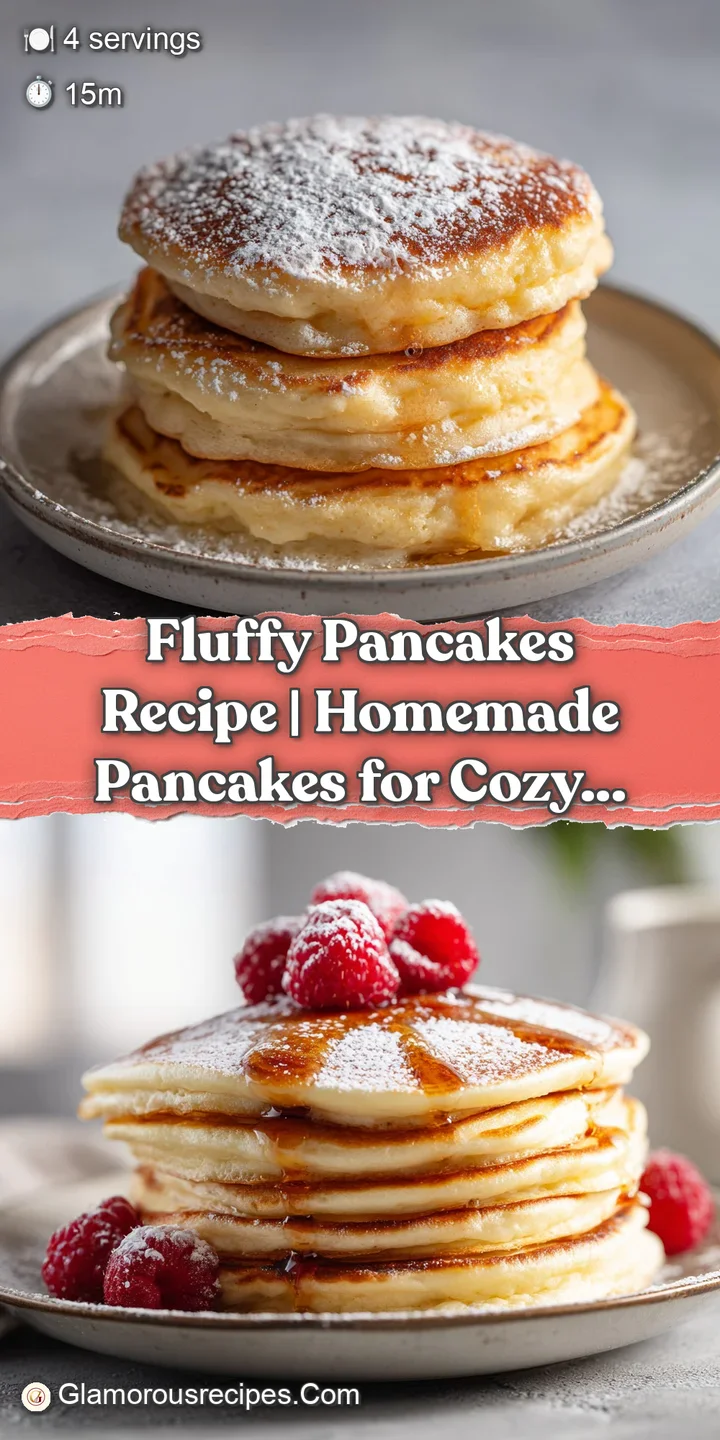
Very High in Sodium
1067 mg 1067 mg of sodium per serving (46% 46% of daily value)
The American Heart Association recommends limiting sodium intake to no more than 2,300mg per day, with an ideal limit of 1,500mg for most adults.
Tips to Reduce Sodium
-
Reduce Added Salt-25%
The recipe calls for 1/2 tsp of fine sea salt, which is a significant source. Try reducing this to 1/4 tsp or omitting it entirely if you are sensitive to salt. Salt contributes most of the sodium here.
-
Choose Low-Sodium Buttermilk-10%
While 'real buttermilk' is specified, some brands can be higher in sodium. Look for a low-sodium or unsalted version if available, or consider making your own using milk and lemon juice or vinegar. This is often overlooked, but important.
-
Boost Flavor with Herbs and Spices
Enhance the flavor profile without relying on salt. Add fresh or dried herbs like chives, parsley, or dill, or use spices like black pepper, cinnamon, or nutmeg to complement the sweetness and richness.
-
Use Unsalted Butter
The recipe uses unsalted butter, which is good. Continue to use unsalted butter to avoid adding unnecessary sodium. If you only have salted butter, reduce the added salt in the recipe even further.
Recipe FAQs
What is the secret to fluffy pancakes?
The secret is avoiding over mixing. After combining the wet and dry ingredients, you must leave the batter lumpy; these pockets of flour prevent the gluten from developing, which keeps the crumb tender and airy rather than tough.
Can a prediabetic have pancakes?
Yes, but portion control is vital. Because these are made with all-purpose flour and sugar, it is helpful to pair them with high protein sides to mitigate blood sugar spikes, or try the Apple Baked Oatmeal for a fiber rich alternative.
How to make pancakes like fluffy fluffy?
Whisk your dry ingredients vigorously for 30 seconds to incorporate air before adding any liquids. This aeration process acts as a foundation for the leavening agents to lift the batter into a cloud like texture once they hit the heat.
Can you have pancakes with CKD?
Consult your doctor or a renal dietitian first. Many standard pancake ingredients like baking soda and buttermilk contain phosphorus and sodium, which individuals with Chronic Kidney Disease often need to strictly manage.
Why is there a resting period in the recipe?
Resting for 5 minutes allows the leavening agents to fully activate. This creates the necessary gas bubbles that ensure your pancakes rise significantly and maintain a tall, fluffy structure once cooked.
How to tell when it is time to flip?
Look for bubbles on the top surface that pop and remain open. Simultaneously, ensure the edges of the pancake appear matte rather than wet, which indicates the structure is set enough to hold its shape during the flip.
Is it necessary to use buttermilk instead of regular milk?
Yes, the acidity in buttermilk is essential for the reaction with baking soda. This chemical pairing provides the necessary lift to achieve the height and signature fluffy texture that regular milk cannot provide.
Fluffy Pancakes From Scratch
Ingredients:
Instructions:
Nutrition Facts:
| Calories | 462 kcal |
|---|---|
| Protein | 13.6 g |
| Fat | 16.6 g |
| Carbs | 63.2 g |
| Fiber | 1.7 g |
| Sugar | 15.4 g |
| Sodium | 1067 mg |
