Candy Apple Recipe: Achieving the Scarlet Hard Crack Snap
- The Defining Features of a True Fairground Candy Apple
- The Science of the Snap: Why Accurate Temperature Guarantees Brittle Coating
- Gathering Your Rations: Core Ingredients and Expert Substitutions
- The Precision Method: Step-by-Step Guide to Perfect Candy Apple Dipping
- Troubleshooting the Sugar Shell: Common Candy Apple Mistakes and Fixes
- Preserving the Crunch: Proper Storage for Finished Candy Apples
- Elevating the Classic: Creative Serving and Pairing Suggestions
- Recipe FAQs
- 📝 Recipe Card
The Defining Features of a True Fairground Candy Apple
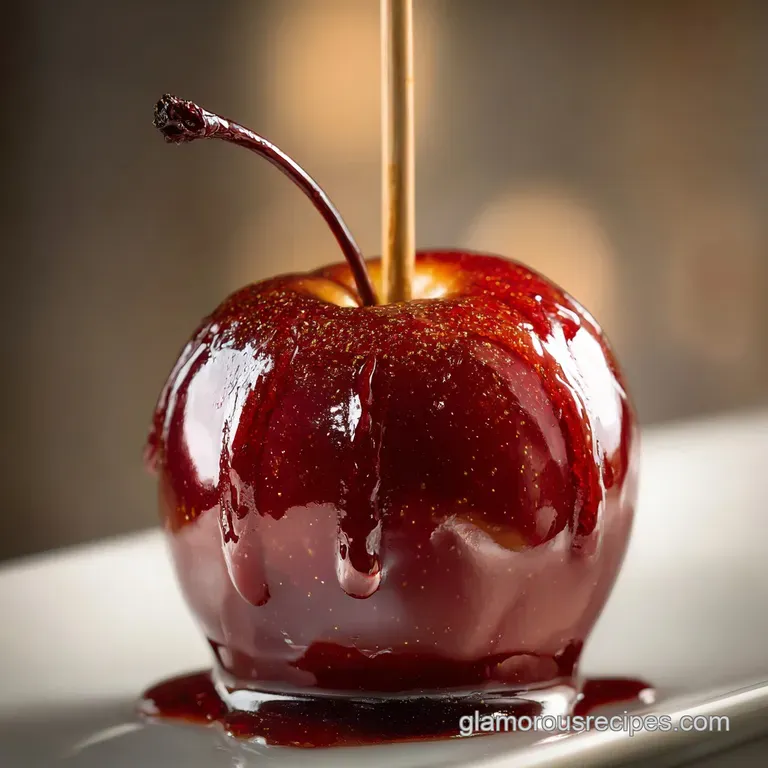
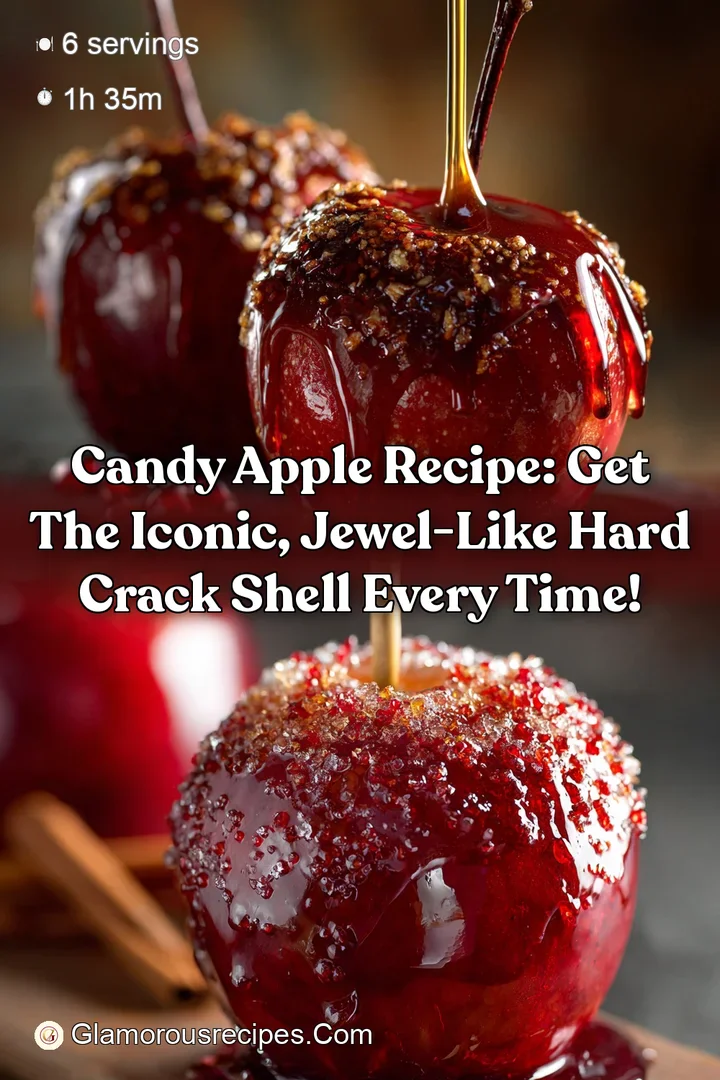
That smell. It’s the smell of cool autumn air and sticky fingers, right? We're talking about that perfect, glossy, scarlet shell that screams "fairground." This isn't just about fruit and sugar; it’s about achieving a candy apple that is structurally sound and beautiful.
It must be crunchy, shattering beautifully when you bite into it, definitely not soft or chewy like old taffy.
Honestly, this recipe looks intensely fancy, but it only uses four core ingredients and takes about 20 minutes of active cooking time. It's incredibly cheap to make a massive, impressive batch for a party, too.
Forget those overpriced store-bought kits or those sad, sticky versions found in chain stores; you’ve absolutely got this in your home kitchen.
We need to ditch the performance anxiety about sugar work and embrace the digital thermometer. Once you master the temperature required, the process is ridiculously fast. Let's make the best, snappiest candy apples you’ve ever tasted, the ones that are perfectly candy apple red and totally worth the resulting sugar rush.
The Science of the Snap: Why Accurate Temperature Guarantees Brittle Coating
What is the Hard Crack Stage and Why Does It Matter?
You absolutely want the snap, the glorious brittle shatter when the candy shell breaks. If you end up with a chewy, soft shell, it simply means you haven't hit the magical 300°F (149°C) mark.
That precise temperature point, known as the Hard Crack Stage , means nearly all the water has evaporated from your sugar mixture. It’s essentially pure, brittle, glass like sugar at that point, which is exactly the structure we are aiming for in a proper candy apple recipe .
Choosing Your Target: The Best Apples for Dipping
Texture and size are the name of the game here. You need an apple that holds up to the intense heat of the syrup without turning mushy underneath the shell. I always reach for small, firm, and slightly tart varieties like Granny Smith or Gala.
The tartness cuts through the overwhelming sweetness of the candy beautifully, creating that essential flavor balance.
The Essential Equipment for Successful Sugar Work
Sugar work demands precision, not guesswork. A heavy bottomed saucepan is mandatory because it distributes heat evenly, preventing scorching spots on the base. But the true hero is the candy thermometer; a digital one is faster and more accurate than those clunky glass tubes.
You cannot make this recipe successfully without a thermometer.
Balancing Acidity: Using Vinegar or Lemon Juice in the Syrup
Why do we add a tiny bit of acid (like vinegar or lemon juice) to a pure sugar syrup? This is a fundamental trick in candy making! The acid acts as an interfering agent , breaking down some of the sucrose molecules into glucose and fructose.
This structural change prevents the sugar from recrystallizing while it boils, resulting in a smooth, clear, and perfectly glossy syrup.
Preventing Crystallization: The Role of Glucose Syrup
If you only used sugar and water, your syrup would likely turn grainy and cloudy right before your eyes. Using liquid glucose or light corn syrup is a crucial step for commercial grade glossiness and stability.
These inverted sugars act like a buffer, ensuring the sugar solution remains smooth and liquid even after it reaches that scorching hot candy apple temperature.
The Crucial Moisture Barrier: Prepping the Apples for Adhesion
This is where 90% of people fail, hands down. store-bought apples are coated in wax to preserve them, and candy HATES wax and moisture. If you skip the cleaning and thorough drying step, the candy will slide right off the apple like oil on glass. You must create a clean, dry surface for perfect adhesion.
Chef’s Note: Do not substitute the wooden sticks with flimsy skewers. The weight of the apple and the thick, hot syrup requires a robust stick that won't snap when you lift and spin the apple.
Gathering Your Rations: Core Ingredients and Expert Substitutions
Detailed Ingredient List: Measurements and Quality Notes
| Ingredient | Measurement | Quality Note |
|---|---|---|
| Apples | 6 Medium | Must be firm and fully dried. |
| Granulated Sugar | 3 cups (600 g) | Standard white sugar works best. |
| Water | 1 cup (240 ml) | Tap water is fine, but measured accurately. |
| Liquid Glucose/Corn Syrup | ½ cup (120 ml) | Essential for texture and anti crystallization. |
| White Wine Vinegar | 1 tsp (5 ml) | Provides the necessary acidity boost. |
| Red Gel Food Coloring | ½ tsp (2.5 ml) | Use gel, not liquid, for intense colour. |
Sugar Deep Dive: Granulated vs. Caster Sugar
While both are essentially the same chemical compound, stick to standard granulated white sugar for this recipe. Caster sugar (superfine) dissolves slightly faster, but the large quantity of sugar needed here means the slight difference in granule size doesn't impact the final syrup texture.
Don't use brown sugar; the molasses prevents the clear, hard crack.
The Perfect Pigment: Achieving that Brilliantly Scarlet Hue
You must use a highly concentrated gel food colouring. Liquid food colourings add too much water back into the sugar mixture, lowering the overall temperature and jeopardizing the hard crack stage. We want a deep, vibrant, almost neon candy apple red without messing up the chemistry.
Troubleshooting Stick Issues: Alternatives to Traditional Sticks
If you can't find specific wooden candy apple sticks, sturdy bamboo dowels cut down work just as well. Just make sure the ends aren't too sharp! A robust, reusable metal skewer is also an option, but be warned: the metal conducts heat much faster, making the apple hotter to hold initially.
The Precision Method: step-by-step Guide to Perfect Candy Apple Dipping

Preparation Checklist: Cleaning and Drying Apples Thoroughly
First, fill a bowl with hot tap water and add a splash of white vinegar. Dunk your apples and use a paper towel or clean cloth to aggressively rub off the waxy coating. Rinse them quickly, and then this is the non-negotiable step— polish them bone dry .
Skewer them firmly through the stem end.
The Syrup Boil: Hitting the 300°F/150°C Hard Crack Temperature
In your heavy pot, combine the sugar, water, liquid glucose, and vinegar. Stir everything constantly over medium high heat only until the sugar is fully dissolved. Once the mixture starts to boil vigorously, stop stirring immediately.
Insert your thermometer, making sure it isn't touching the bottom of the pan. Let the syrup boil undisturbed until it hits exactly 300°F (149°C).
Dipping Technique: Ensuring a Smooth, Even Coat
The second the syrup hits 300°F, remove it from the heat. Stir in the red gel coloring quickly; work fast, because the temperature drops rapidly! Now, tilt the pot significantly to gather a deep pool of syrup.
Holding the apple by the stick, plunge it quickly into the hot syrup, rotating it slowly to coat all sides evenly. Lift, and swirl/tap the base gently against the rim of the pot to shed any excess.
Setting the Shell: Cooling and Handling the Finished Product
Immediately place the coated apple onto your prepared parchment paper or silicone mat. You must allow them to set completely at room temperature, which usually takes at least one hour.
Do not put them in the fridge , as the cold temperature and humidity will encourage the sugar shell to weep and become sticky.
Troubleshooting the Sugar Shell: Common Candy Apple Mistakes and Fixes
Why is My Syrup Foggy or Gritty? (Crystallization Fix)
If your syrup looks cloudy or has tiny sugar bits (grittiness), you stirred it too much after it started boiling. You can sometimes save this by adding about ¼ cup of hot water and boiling the mixture again, washing down the sides of the pan aggressively with a wet pastry brush.
Always keep the sides clean.
The Syrup Won't Stick to the Apple (Moisture Issue Fix)
This is the wax barrier issue, 100%. If you find bald spots or the candy pools at the bottom, your apple was not cleaned or dried properly. If it happens, quickly reheat the syrup to 300°F and re-dip the remaining apples only after you have double checked their dry surface.
Avoiding Burning: Best Practices for Cooking Sugar
Always use a heavy bottomed stainless steel pan, never a thin pot. Keep the heat on medium high, not scorching high. Once the syrup hits about 260°F, keep a very close eye on it, as the temperature jumps extremely fast between 280°F and 300°F.
If you smell even a faint burnt odor, you have gone too far, and you need to start over immediately.
Preserving the Crunch: Proper Storage for Finished Candy Apples
Optimal Shelf Life: How Long Do They Last at Room Temperature?
If stored correctly, away from direct sunlight and excessive humidity, finished candy apples are best enjoyed within three to five days. The candy shell remains crisp, though the apple itself slowly softens over time. Keep them unwrapped on the counter until serving day.
Humidity Hazards: Keeping the Shell from Becoming Sticky
Humidity is the ultimate enemy of the hard crack stage. The sugar aggressively absorbs moisture from the air, causing the shell to soften and become sticky a process called "weeping" or "blooming." Never try to store candy apples in the refrigerator.
If your climate is very humid, try making them on the driest, coolest day possible. If you must wrap them, use cello bags only right before serving.
Can You Freeze Candy Apples?
Technically, you can freeze anything, but you absolutely should not freeze candy apples. The rapid temperature change and the inevitable condensation during thawing will instantly destroy the hard, brittle texture you worked so hard to achieve. You'll end up with a sticky, wet mess.
Stick to making them fresh!
Elevating the Classic: Creative Serving and Pairing Suggestions
Serving Sliced
A giant, gorgeous candy apple is beautiful, but it can be hard to eat gracefully. Slice the apple immediately before serving and fan the slices out onto a plate. Drizzle them with a little high-quality caramel sauce and sprinkle them with flaky sea salt.
It transforms the fairground treat into an elevated dessert.
Beverage Pairing
Because of the intense sweetness of the candy shell, you need something robust to cut through it. Serve these alongside a strong, slightly bitter beverage, like a dark roasted coffee or even a full bodied black tea.
If it’s cold out, a glass of Spiced Mulled Wine works beautifully against that candy apple red sweetness.
Recipe FAQs
What is the ideal type of apple for this classic recipe?
Granny Smith or any firm, tart apple is highly recommended, as the acidity perfectly balances the intense sweetness of the candy coating. Choose apples that are medium sized and uniform for easier dipping and handling.
My candy coating slid right off the apples. What went wrong?
Sliding is almost always caused by residual wax or moisture on the apple skin, which prevents the sugar from adhering properly. You must thoroughly wash the apples with hot water and baking soda to remove the wax, then dry them absolutely completely before inserting the stick.
How do I ensure my candy shell achieves the "Hard Crack" stage and stays crunchy?
Achieving a true brittle snap requires the sugar mixture to reach the Hard Crack stage, precisely between 300 310°F (149 154°C). You must use a reliable candy thermometer and ensure you do not stir the mixture once it begins boiling, which can encourage crystallization.
How long can I store homemade candy apples, and how should I package them?
Store finished candy apples individually wrapped in cellophane or treat bags at cool room temperature for 5 to 7 days. Avoid refrigeration at all costs, as the humidity and moisture will cause the sugar shell to "weep" and become sticky.
Why do I need to use corn syrup (glucose), and can I substitute it with something else?
Corn syrup acts as an invert sugar, which is crucial for preventing the main sugar mixture from crystallizing and turning grainy while cooking. This guarantees a smooth, clear, and perfectly brittle final coating.
While you could attempt a small substitution with cream of tartar, corn syrup provides the best results for stability.
Why is my candy shell clear or pink instead of the brilliant scarlet red promised?
To achieve the intense, deep scarlet of fairground candy apples, you must use high-quality gel or paste food coloring rather than weak liquid extracts. Add the coloring when the sugar mixture is nearing 300°F, stirring gently just to incorporate it without encouraging crystallization.
Can I buy pre-made candy coating online instead of making the sugar mixture myself?
Yes, pre-made coating mixes are available online and offer a less temperature sensitive route to candy apples. However, these often result in a thicker, slightly softer coating compared to the thin, brilliantly hard crack shell achieved using a traditional sugar, water, and corn syrup mixture.
Fairground Candy Apple Recipe
Ingredients:
Instructions:
Nutrition Facts:
| Calories | 320 kcal |
|---|---|
| Fat | 0 g |
| Fiber | 3 g |
