En Glaze Recipe: Silky & Aromatic
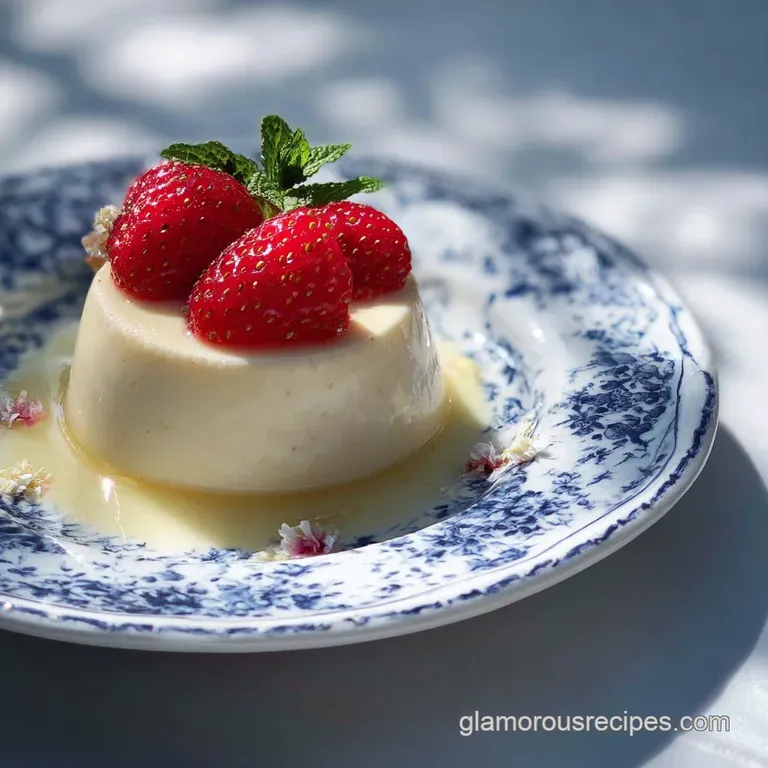
- Time: Active 15 minutes, Passive 10 minutes, Total 25 minutes
- Flavor/Texture Hook: Silky, aromatic, and buttery smooth consistency
- Perfect for: Holiday gatherings, Sunday dinners, or dressing up fruit
- The Ultimate Silky En Glaze Recipe
- Why This Timeless Sauce Works
- Essential Specs and Timing
- Sourcing the Finest Ingredients
- Required Tools for Velvety Results
- Step-By-Step Success Guide
- Rescuing Your Broken Custard
- Creative Ways to Customize
- Smart Storage and Saving Scraps
- Perfect Pairings for Dessert
- Recipe FAQs
- 📝 Recipe Card
The Ultimate Silky En Glaze Recipe
The scent of a real vanilla bean hitting warm milk is a sensory memory that stays with you forever. Every Sunday at my grandmother’s house in rural Georgia, the kitchen transformed into a sanctuary of sweets.
She didn't call it an "en glaze recipe," but that sacred drizzle was the crowning glory of her blackberry cobblers. I remember the rhythmic, metallic scrape of her whisk against the heavy copper pot, a sound that meant dessert was finally close.
That golden liquid wasn't just a sauce, it was comfort food in its purest, most liquid form. Making this at home for the first time felt like a rite of passage. I’ll admit, I curdled my first three batches because I was too impatient with the flame.
But once you feel that moment when the watery dairy suddenly thickens into a plush, coating custard, you've unlocked a culinary superpower that bridges the gap between a simple snack and a gourmet treat.
We aren't looking for a stiff pudding here. This is about flow and elegance. When you pour this over a warm slice of pie, it should pool softly, soaking into the crust while remaining distinct and luminous.
It is the contrast between the hot dessert and the chilled, velvety sauce that makes this such a timeless addition to your repertoire. Let’s walk through how to get that signature finish without the stress of scrambled eggs.
Why This Timeless Sauce Works
Creating a successful en glaze recipe relies on the delicate dance of protein denaturation. When we heat the egg yolks, their proteins begin to uncoil and link together in a process that traps the surrounding liquid.
If we go too fast, they clump together like tiny rocks, but if we go slowly, they form a three dimensional web that feels incredibly smooth on the tongue.
- Coagulation Control: The sugar acts as a physical barrier between egg proteins, raising the temperature at which they scramble and giving you a wider safety window.
- Fat Stabilization: Using a 50/50 mix of whole milk and heavy cream provides enough fat to coat the palate without feeling heavy or masking the vanilla.
- Infusion Depth: Steeping the vanilla bean pod in the warm dairy allows the fatty molecules to absorb the essential oils from the seeds, resulting in a deeper aromatic profile.
- Thermal Buffering: The salt isn't just for flavor, it subtly alters the ionic strength of the liquid, which helps the proteins stay suspended rather than clumping.
Similar to the balance of flavors in a Limoncello Recipe, the chemistry here is all about patience and temperature control to ensure the aromatics shine through the richness.
| Cook Method | Time | Texture | Best For |
|---|---|---|---|
| Stovetop | 15 minutes | Fluid and glossy | Pouring over cakes and crumbles |
| Bain Marie | 25 minutes | Dense and ultra smooth | Serving as a standalone chilled dip |
| Slow Infusion | 45 minutes | Intensely aromatic | High end dinner party plating |
Choosing the stovetop method is our standard approach because it allows for immediate feedback. You can feel the spoon getting heavier as the sauce thickens, which is a tactile cue you just don't get with other methods.
Essential Specs and Timing
To ensure your custard reaches that "nappe" consistency, where it perfectly coats the back of a spoon, you need to watch your thermometer like a hawk. The window between a liquid sauce and a ruined, curdled mess is surprisingly narrow, usually only a matter of five degrees.
| Ingredient | Science Role | Pro Secret |
|---|---|---|
| Egg Yolks | Primary Emulsifier | Use room temperature yolks to prevent thermal shock when tempering. |
| Whole Milk | Hydration Base | Provides the water content needed for the sugar to dissolve completely. |
| Vanilla Bean | Aromatic Core | Rub the seeds into the sugar before mixing to prevent clumping. |
| Sea Salt | Flavor Enhancer | A tiny pinch suppresses bitterness and makes the vanilla feel more "round." |
Don't rush the cooling process either. A custard that cools too slowly can develop a skin, while one that is shocked too fast in the freezer might lose its glossy sheen. We want a steady, controlled descent in temperature to keep those fats and proteins in a happy, unified state.
Sourcing the Finest Ingredients
The beauty of this en glaze recipe is its simplicity, which means there is nowhere for subpar ingredients to hide. Use the freshest eggs you can find, ideally from a local source where the yolks are a deep, vibrant orange.
This doesn't just look better; the higher lecithin content in fresh yolks creates a more stable emulsion.
- 1 cup Whole Milk: Provides the necessary liquid volume without excessive fat.
- Substitute: 2% Milk. Why this? Maintains liquid ratio but results in a slightly thinner, less luxurious mouthfeel.
- 1 cup Heavy Cream: Adds the velvety richness and "legs" to the sauce.
- Substitute: Half and half. Why this? Lower fat content makes the sauce lighter and less coating.
- 1 Whole Vanilla Bean: The split seeds provide those iconic black specks.
- Substitute: 1 tbsp Vanilla Bean Paste. Why this? Provides the seeds and flavor without the steep time of a whole pod.
- 0.33 cup Granulated Sugar: Sweetens and stabilizes the egg proteins.
- Substitute: Honey (1/4 cup). Why this? Adds floral notes but makes the sauce significantly runnier.
- 4 Large Egg Yolks: The thickening engine of the entire recipe.
- Substitute: 3 Egg Yolks + 1 tsp Cornstarch. Why this? Cornstarch adds extra insurance against curdling but changes the texture slightly.
- 0.125 tsp Sea Salt: Essential for balancing the sugar.
- Substitute: Kosher Salt. Why this? Same flavor impact; use a slightly larger pinch if using coarse grains.
Required Tools for Velvety Results
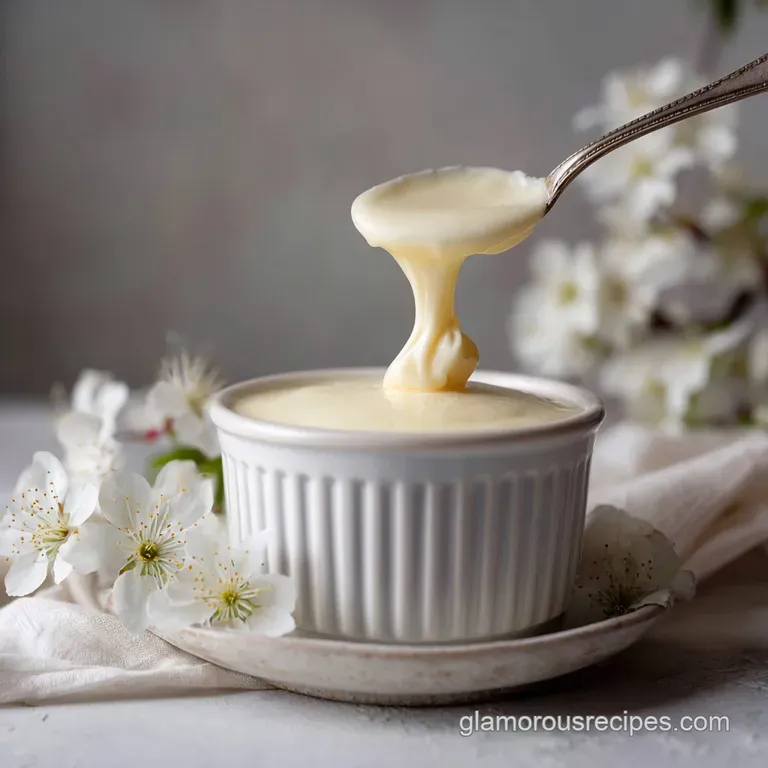
You don't need a kitchen full of gadgets, but a few specific items make this much easier. A heavy bottomed saucepan is non negotiable. Thin pans create hot spots that will scramble your eggs before the rest of the sauce even gets warm. I prefer stainless steel or copper for their responsive heat conductvity.
A silicone tipped whisk or a flat bottomed wooden spoon is your best friend here. You need to be able to scrape every millimeter of the bottom of the pan. If a layer of egg sits still for even five seconds, it will overcook. Finally, have a fine mesh sieve ready over a clean bowl before you even turn on the stove.
This is your insurance policy against any tiny bits of egg that didn't play nice.
| Original Ingredient | Substitute | Why It Works |
|---|---|---|
| Heavy Cream | Coconut Milk (full fat) | Similar fat content. Note: Adds distinct tropical flavor and scent. |
| Granulated Sugar | Maple Syrup | Liquid sweetener. Note: Will result in a darker color and thinner consistency. |
| Vanilla Bean | Espresso Powder (1 tsp) | Concentrated flavor. Note: Changes the recipe into a coffee glaze entirely. |
If you find yourself running low on supplies, remember that techniques often matter more than the exact brand. For instance, knowing how to make a Homemade Icing Sugar Substitute can save a dessert, but for this custard, the granulated sugar is vital for its crystalline structure during the initial whisking phase.
step-by-step Success Guide
- Prep the bean. Split the vanilla bean lengthwise and scrape the seeds into a heavy saucepan. Note: This ensures the seeds distribute early in the dairy.
- Heat the dairy. Add 1 cup Whole Milk, 1 cup Heavy Cream, and the pod to the pan. Heat until small bubbles form around the edges.
- Whisk the base. In a separate heat proof bowl, whisk 4 Large Egg Yolks, 0.33 cup Sugar, and 0.125 tsp Sea Salt until the mixture turns pale and thick.
- Temper the eggs. Slowly ladle about half a cup of the hot milk into the egg mixture while whisking constantly. Note: This gently raises the egg temperature without cooking them.
- Combine everything. Pour the warmed egg mixture back into the saucepan with the remaining milk. Stir immediately to prevent settling.
- Thicken the sauce. Cook over medium low heat, stirring in a figure eight motion, until the liquid coats the back of a spoon.
- Check for nappe. Run your finger through the sauce on the spoon. The line should stay clean without the sauce running.
- Remove from heat. Immediately take the pan off the stove at 175°F to stop the cooking process. Note: Carryover heat can cause curdling if left in the hot pan.
- Strain the glaze. Pour the mixture through a fine mesh sieve into a clean bowl. This removes the pod and any accidental solids.
- Chill the custard. Place the bowl in an ice bath or cover with plastic wrap touching the surface and refrigerate. Chill for at least 2 hours before serving.
Rescuing Your Broken Custard
The most common heartbreak with an en glaze recipe is the dreaded "scramble." If you see little yellow flecks appearing, don't panic and throw it away. As long as it hasn't completely turned into breakfast, you can usually save it. The key is acting fast to drop the temperature and redistribute the fats.
Why Your Glaze Is Lumpy
This usually happens because the heat was too high or you stopped stirring. When the eggs reach their limit, they bond too tightly. To fix this, immediately pour the sauce into a blender and pulse for 30 seconds. The high speed blades will break up the protein clumps and force them back into the liquid.
It won't be as "pure" as a perfectly cooked batch, but it will be smooth and delicious.
Why Your Glaze Is Runny
If your sauce feels like plain milk even after 15 minutes, your heat might be too low or you didn't use enough yolks. Check the temperature; it needs to hit at least 170°F to begin thickening.
If you're at the right temp and it's still thin, you can whisk an extra yolk with a teaspoon of warm sauce and temper it back in, then cook for another 3 minutes.
| Problem | Root Cause | Solution |
|---|---|---|
| Tiny graininess | Slight overcooking | Strain through a double layer of cheesecloth. |
| Thin consistency | Under heating | Increase heat slightly and stir until 175°F is reached. |
| Metallic aftertaste | Using an aluminum pan | Switch to stainless steel and add a drop of vanilla extract. |
Common Mistakes Checklist: ✓ Always use a heavy bottomed pot to distribute heat evenly. ✓ Never let the mixture reach a boil once the eggs are added. ✓ Keep the plastic wrap directly on the surface while cooling to prevent a skin.
✓ Use a thermometer for the first few tries until you recognize the "drag" of the spoon. ✓ Strain the sauce immediately after cooking to ensure a professional, silky finish.
Creative Ways to Customize
Once you have the basic en glaze recipe down, you can start playing with the flavor profile. While vanilla is the classic Sunday dinner standard, this custard is a blank canvas. For a deep, sophisticated version, try steeping two tablespoons of high-quality cocoa nibs in the milk alongside the vanilla.
This creates a "white chocolate" effect that is stunning over fresh raspberries.
For something with a bit more of a kick, you can whisk in a tablespoon of bourbon or dark rum once the sauce has cooled slightly. The alcohol adds a warmth that cuts through the richness of the cream. If you are serving this during the holidays, try a version with a traditional Rosca de Reyes recipe, where the citrus and anise notes of the bread play beautifully against the vanilla custard.
Scaling the Recipe
- To double it (16 servings): Use 2 cups milk and 2 cups cream. Use 7 egg yolks instead of 8 to keep it from getting too thick. Keep the sugar at 0.6 cup to avoid over sweetening.
- To halve it (4 servings): Use 0.5 cup milk and 0.5 cup cream. Use 2 yolks. Use a very small saucepan, or the liquid will evaporate too quickly and burn.
- Baking adjustment: If you want to use this as a base for an ice cream, increase the heavy cream by 25% and reduce the milk accordingly for a higher fat content that stays soft when frozen.
Smart Storage and Saving Scraps
Proper storage is the difference between a fresh tasting sauce and one that tastes like the "inside of a fridge." Custard is a magnet for odors. Always store it in a glass container with a tight fitting lid.
If you are keeping it for more than a few hours, press a piece of parchment paper or plastic wrap directly onto the surface of the liquid. This prevents oxygen from creating that rubbery "skin" that everyone hates.
- Fridge: The sauce will stay fresh for up to 3 days. It actually thickens slightly more as it sits, so you may need to whisk in a teaspoon of milk before serving.
- Freezer: I don't recommend freezing the liquid sauce as the emulsion can break upon thawing, resulting in a grainy texture. However, you can churn it into a quick ice cream!
- Zero Waste Tip: Don't throw away those leftover egg whites! Store them in a small jar and use them for a morning omelet or a batch of meringues. The vanilla pod can also be rinsed, dried, and tucked into a jar of sugar to make homemade vanilla sugar.
Perfect Pairings for Dessert
This sauce is the ultimate "fix it" for desserts that might be a little dry. A slightly overbaked sponge cake becomes a masterpiece when it's swimming in a shallow pool of chilled vanilla glaze.
It's also the traditional accompaniment for "Floating Islands" (poached meringues), but my favorite way to serve it is much simpler: poured over a bowl of warm, macerated peaches.
If you are putting together a dessert spread, consider the textures. You want something with a bit of "shatter" or crunch to contrast the velvety sauce. Think about a crisp apple galette or even a simple shortbread cookie. The richness of the sauce elevates the butter in the pastry.
For a lighter touch, use the sauce as a base for a fruit salad, tossing in a few mint leaves for a bright, fresh finish. It's the kind of timeless comfort food that turns a simple meal into a sacred family memory.
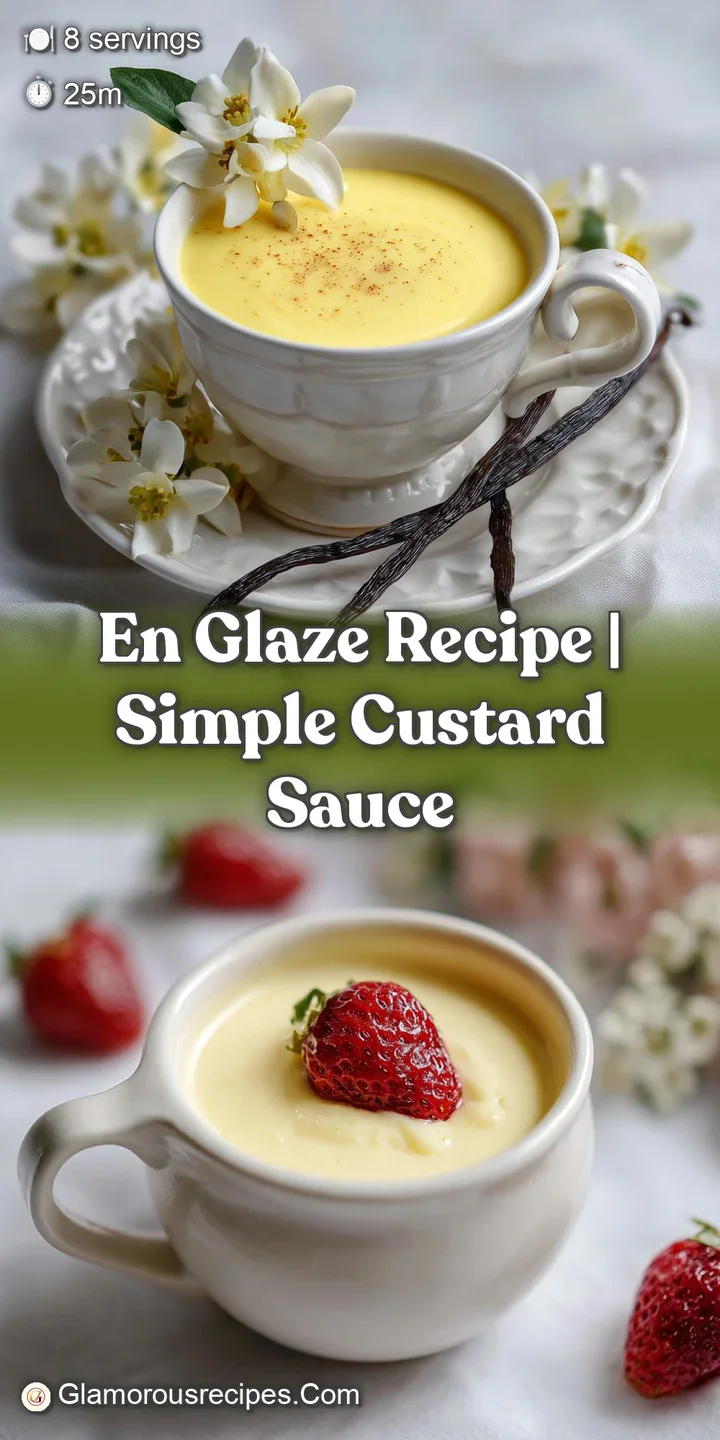
Recipe FAQs
What are the ingredients in an anglaise?
Typically, it's milk, egg yolks, sugar, and vanilla. Heavy cream is often added for richness, and a pinch of salt balances the sweetness, enhancing the vanilla flavor. This simple combination creates a luxurious sauce that's incredibly versatile.
What is the difference between custard and crème en glaze?
Crème en glaze is a thinner, pourable custard sauce. Traditional baked custards are thicker and set more firmly. Think of crème en glaze as the elegant cousin to a dense pudding, perfect for drizzling.
Is crème en glaze just melted ice cream?
No, that's a common misconception. While both contain dairy, eggs, and sugar, crème en glaze is cooked gently on the stovetop and served warm or chilled, whereas ice cream is frozen and has a different texture. If you love the idea of a frozen treat, master the technique of chilling this sauce rapidly, similar to how you'd prepare the base for a smooth ice cream.
Why do the French call it crème anglaise?
The exact origin is debated, but the name refers to an English style cream. It likely emerged as a simple dessert sauce popular in England, and the French adopted and refined it, giving it its classic name. It's a testament to culinary exchange between cultures.
What makes crème en glaze thicken?
The thickening agent is primarily the egg yolks. When heated gently, the proteins in the egg yolks coagulate and trap the liquid, creating a smooth, viscous sauce. Sugar also plays a role by stabilizing the proteins and preventing them from overcooking too quickly.
Can I make crème en glaze ahead of time?
Yes, it can be made ahead and refrigerated for up to 3 days. For best results, press plastic wrap directly onto the surface of the sauce to prevent a skin from forming. It may thicken slightly in the fridge, so you might need to whisk in a teaspoon of milk before serving.
How do I prevent my crème en glaze from curdling?
The key is slow, steady heating and constant stirring, especially during tempering. Temper the egg yolks by gradually adding small amounts of warm milk to them while whisking continuously before combining everything in the saucepan. Cook over medium low heat, and if you master this technique, you'll find it's also the secret to achieving perfect results in recipes like delicate cream horns.
En Glaze Recipe
Ingredients:
Instructions:
Nutrition Facts:
| Calories | 180 kcal |
|---|---|
| Protein | 3.2 g |
| Fat | 14.1 g |
| Carbs | 10.7 g |
| Fiber | 0.1 g |
| Sugar | 9.6 g |
| Sodium | 38 mg |
