Tuna Pasta Salad: Creamy and High Protein
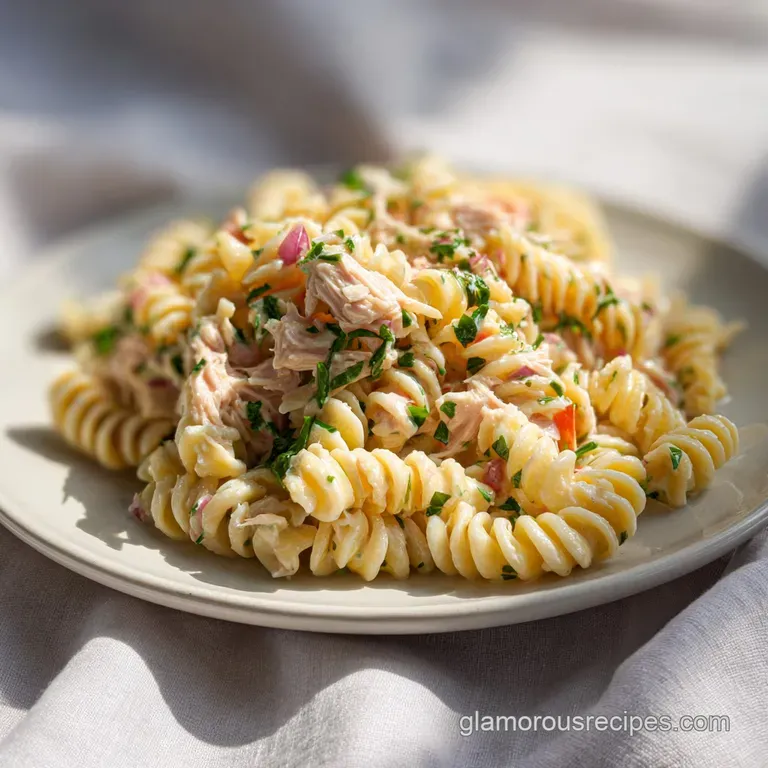
- Time: Active 10 minutes, Passive 10 minutes, Total 20 minutes
- Flavor/Texture Hook: A velvety, zesty dressing coating shatter crisp celery and meaty albacore.
- Perfect for: Stress free Sunday dinners, high protein weekday lunches, and summer potlucks.
- Create a Fresh Twist on Your Favorite Tuna Pasta Salad
- Elevating the Humble Pantry Staple for Sunday Dinners
- Mastering the Structural Integrity of Your Cold Salad
- Critical Precision Benchmarks for a Flawless Result
- The Essential Elements for a Balanced Flavor Profile
- The Necessary Tools for a Seamless Prep Session
- Building Your Masterpiece with These Simple Steps
- Preventing Common Pitfalls for a Better Texture
- Personalizing Your Bowl with Creative Ingredient Swaps
- Preserving Freshness and Reducing Kitchen Food Waste
- Designing a Plate That Looks as Good as it Tastes
- FAQ
- Troubleshooting Common Issues
- Recipe FAQs
- 📝 Recipe Card
Create a Fresh Twist on Your Favorite Tuna Pasta Salad
Think about that specific, sharp snap of cold celery against a backdrop of creamy, lemon kissed dressing. Whenever I pull a chilled bowl of this out of the fridge, it’s not just a meal, it’s a moment of pure comfort that reminds me of Sunday dinners back home.
We aren't talking about a mushy, sad cafeteria side here. This is a bright, textured, and deeply satisfying dish that actually has some backbone to it.
I remember one specific Saturday when I was rushing to put together a lunch for a family gathering. I grabbed the first can of tuna I saw, didn't bother rinsing the pasta, and threw it all together. It was a disaster, a soggy, one note mess that lacked any of the "soul" a good Southern style salad should have.
That failure taught me that the secret isn't just in the ingredients, but in how you treat them.
The real star here, the ingredient that changes everything, is the Solid White Albacore Tuna. While most of us grew up with "chunk light" tuna, that variety tends to flake into oblivion, leaving you with a texture that feels more like a spread than a salad. Albacore, however, holds its shape.
It provides these beautiful, meaty chunks that stand up to the heavy shells or rotini, making sure every forkful feels substantial and intentional.
Elevating the Humble Pantry Staple for Sunday Dinners
In our house, Sunday dinners are sacred. It’s the time when we slow down, reconnect, and share food that feels like a hug. This version of the classic cold dish fits that vibe perfectly because it bridges the gap between a light lunch and a hearty meal.
It’s got that nostalgic, traditional feel we all crave, but with a few modern touches like lemon zest and Dijon mustard that wake up the palate and keep things from feeling too heavy or dated.
- Sweet
- Sweet pickles and frozen sweet peas.
- Savory
- Solid white albacore and a touch of garlic powder.
- Bright
- Freshly squeezed lemon juice and grated zest.
- Rich
- A blend of mayonnaise and sharp Dijon mustard.
| Method | Preparation Time | Resulting Texture | Best For |
|---|---|---|---|
| Fresh Tuna | 45 minutes | Firm, steak like, very clean flavor | Special gourmet dinners |
| Canned Albacore | 2 minutes | Meaty, structural, holds its shape | Daily meal prep and classic taste |
| Chunk Light | 2 minutes | Soft, flaked, easily integrated | Sandwiches or spreads |
Choosing the right base for your protein determines whether your salad is a side dish or a centerpiece. For this recipe, we stick to the canned albacore because it offers the most reliable "bite" without the high cost or prep time of fresh fish.
It's the perfect middle ground for a busy home cook who still wants to serve something that feels high-quality and thoughtful.
Mastering the Structural Integrity of Your Cold Salad
What actually makes this recipe stay fresh instead of turning into a watery mess? It comes down to two main things: starch management and moisture control. When you boil pasta, it releases starch.
If you don't rinse that starch off with cold water immediately after draining, it creates a sticky film that absorbs all your dressing. Rinsing stops the cooking process and ensures the dressing coats the outside of the pasta rather than being sucked into the center.
- Starch Removal: Rinsing pasta in cold water prevents the "thirsty pasta" syndrome where the dressing disappears overnight.
- Protein Density: Albacore tuna has less oil and water content than chunk light, meaning it won't weep liquid into the mayo.
- Aromatics Seal: Dicing the celery and onions small allows them to distribute their oils into the dressing, scenting the whole bowl.
- Acid Stabilization: Lemon juice helps keep the colors of the peas and dill vibrant while cutting through the richness of the fats.
One trick I've learned through trial and error is to add the peas to the boiling pasta water in the final minute. This blanches them just enough to remove that "raw" frozen taste while preserving their bright green color and snappy texture.
It's a small step that saves you a separate bowl and ensures your vegetables are at the peak of their flavor.
Critical Precision Benchmarks for a Flawless Result
When you’re aiming for that "masterclass" level of cooking at home, the details matter. You can't just eyeball everything and expect the same result every time. I’ve found that sticking to a few numeric checkpoints ensures that the salad comes out exactly as intended, with that perfect al dente bite and a dressing that is creamy but not gloppy.
| Component | Science Role | Pro Secret |
|---|---|---|
| Short Pasta | Structural Base | Cook 1 min less than package for "carryover" firmness |
| Albacore Tuna | Lean Protein | Drain until bone dry to prevent dressing dilution |
| Lemon Juice | Acidic Brightener | Use fresh only; bottled lacks the essential oils in zest |
| Sweet Pickles | Flavor Contrast | Hand dice for varied texture instead of using mushy relish |
These checkpoints aren't just suggestions; they are the difference between a salad that people "eat" and a salad that people "request." For instance, that 1 minute reduction in pasta cook time is vital because the pasta will continue to soften slightly as it sits in the dressing.
If you start with soft pasta, you’ll end up with mush by the time you're ready to eat.
The Essential Elements for a Balanced Flavor Profile
To get this right, you need the official list of ingredients. I've tested various brands and types, and while I usually say "use what you have," this specific combination is the one that really sings. If you're looking for a healthy twist, you could try a different base, like my Green Pea Salad which uses similar bright notes but swaps the pasta for more greens.
- 8 oz short pasta (Shells, Rotini, or Elbow Macaroni): Use 225g of high-quality semolina pasta for the best chew.
- 2 cans (5 oz each) Solid White Albacore Tuna in water: Must be drained well. Why this? It provides large, meaty chunks that don't disintegrate when tossed.
- 1 cup frozen sweet peas: Thawed but kept cold.
- 2 stalks celery: Diced into 1/4 inch pieces for maximum crunch.
- 1/4 cup red onion: Finely minced to avoid overwhelming bites of raw onion.
- 1/4 cup sweet pickles: Chopped. Why this? Adds a necessary vinegary sweetness that balances the savory tuna.
- 2 tbsp fresh dill: Chopped. Avoid the dried stuff if you can help it.
- 1/2 cup mayonnaise: Use a full fat version for the best mouthfeel.
- 1 tbsp Dijon mustard: Adds a sophisticated depth and a tiny bit of heat.
- 1 tbsp fresh lemon juice: The acidity helps "lift" the heavier flavors.
- 1 tsp lemon zest: Contains the oils that give the salad a floral, citrus aroma.
- 1/2 tsp garlic powder: Provides an even savory background note without the bite of fresh garlic.
- 1/2 tsp salt: Enhances all the other flavors.
- 1/4 tsp black pepper: Freshly cracked is always better.
| Original Ingredient | Substitute | Why It Works |
|---|---|---|
| Mayonnaise | Greek Yogurt (Plain) | Tangier and higher protein. Note: Thins the dressing slightly. |
| Sweet Pickles | Capers | Salty and briny. Note: Removes the sweet element entirely. |
| Red Onion | Shallots | Milder, more delicate onion flavor. |
| Solid White Albacore | Canned Salmon | Similar texture but with a richer, fishier flavor profile. |
The Necessary Tools for a Seamless Prep Session
You don't need a professional kitchen to make a killer Tuna Pasta Salad, but having the right tools makes the 20 minute timeline actually achievable. I’m a big fan of efficiency. If you're fumbling for a knife or trying to drain pasta in a colander that's too small, you're going to get frustrated.
First and foremost, you need a large pot at least 4 quarts so the pasta has room to move and doesn't clump together. A fine mesh colander is also a must have. When you're draining tuna, you want to be able to press down on it to get every last drop of water out.
If you leave the tuna wet, your dressing will break and become watery within an hour.
You’ll also want a large glass or stainless steel mixing bowl. Avoid plastic if possible, as it can sometimes retain the smell of the onions or fish from previous meals. A microplane for the lemon zest is a luxury that's worth it; it gets just the yellow part of the skin without any of the bitter white pith.
Finally,, a good whisk is essential for emulsifying the mayonnaise, mustard, and lemon juice into a velvety smooth dressing before you add the heavy ingredients.
Building Your Masterpiece with These Simple Steps
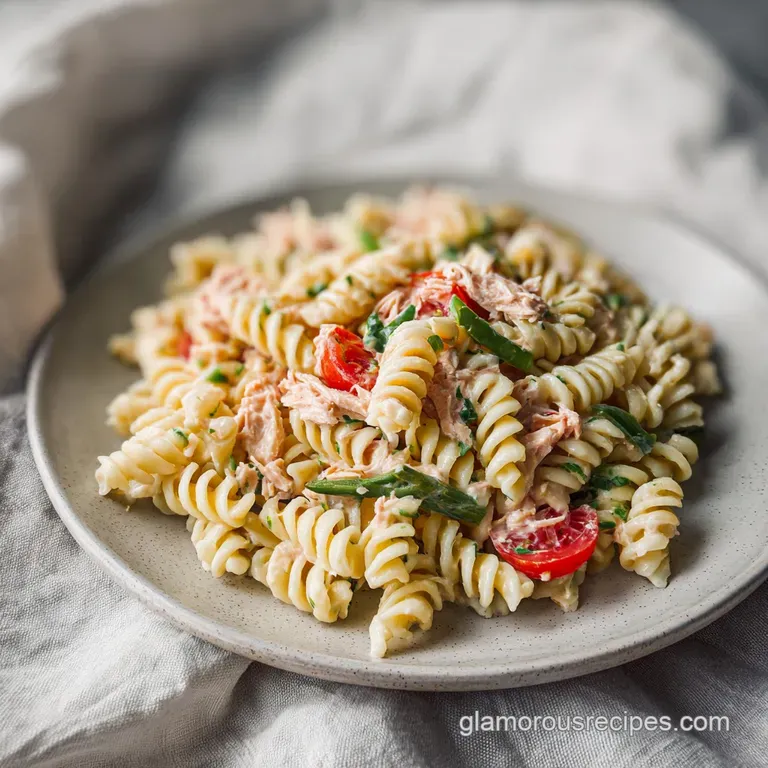
Now, let's get into the actual process. Follow these steps closely, especially the cooling and rinsing parts, to ensure your salad stays perfect for days.
- Boil the water. Fill a large pot with water and add a generous amount of salt. It should taste like the sea. This is your only chance to season the pasta itself.
- Cook the pasta. Drop your shells or rotini into the boiling water. Set a timer for one minute less than what the box says. Until the center is firm but not crunchy.
- Blanch the peas. In the final 60 seconds of the pasta's cook time, dump the frozen peas directly into the pot. Note: This thaws them instantly and sets their color.
- Whisk the dressing. While the pasta is doing its thing, grab your large bowl. Combine the mayonnaise, Dijon, lemon juice, zest, garlic powder, salt, and pepper. Until the texture is silky and pale yellow.
- Drain and rinse. Pour the pasta and peas into your colander. Immediately run cold tap water over them. Until the pasta feels cold to the touch.
- Coat the pasta. Toss the damp (not dripping) pasta and peas into the dressing bowl. Fold them gently so every shell gets a coating of sauce. Note: Adding pasta while slightly damp helps the dressing adhere.
- Add the aromatics. Stir in the diced celery, minced red onion, and chopped sweet pickles.
- Flake the tuna. Open your well drained cans of albacore. Use a fork to break the tuna into large chunks, then fold them into the salad. Until the chunks are evenly distributed but not pulverized.
- Finish with herbs. Sprinkle the fresh dill over the top and give it one final, gentle toss.
- Chill and serve. You can eat it now, but 30 minutes in the fridge allows the flavors to meld beautifully.
Chef's Note: If you find the salad looks a little dry after sitting in the fridge, don't just add more mayo. Add a teaspoon of lemon juice or pickle juice first. It thins the existing dressing and revives the flavors without making the dish feel greasy.
Preventing Common Pitfalls for a Better Texture
Even a "simple" dish can go wrong if you aren't paying attention to the details. The most common complaint with Tuna Pasta Salad is that it becomes "bland" or "mushy" after a few hours. Usually, this isn't a problem with the recipe itself, but a result of one of the steps being rushed or skipped.
Fixing a "Thirsty" Salad
If your pasta has absorbed all the dressing, it’s usually because the pasta was still warm when you mixed it, or it wasn't rinsed well enough. Warm pasta acts like a sponge. To fix this, fold in a tablespoon of Greek yogurt or a splash of milk before serving.
This adds moisture back into the bowl without needing to recreate the entire dressing from scratch.
Preventing a "Fishy" Overpower
Sometimes the tuna flavor can take over the entire dish, which isn't what we want. We want a balanced bite. This happens if the tuna isn't drained properly or if you use "chunk light" which is much oilier. If you find your salad is too fishy, add more fresh dill or a bit more lemon zest.
The citrus oils and fresh herbs act as a natural neutralize for strong seafood scents.
| Problem | Root Cause | Solution |
|---|---|---|
| Soggy Vegetables | Added while pasta was hot | Always rinse pasta to "ice cold" before adding veg |
| Bland Flavor | Under salted pasta water | Add a teaspoon of sweet pickle juice to the finished salad |
| Watery Dressing | Wet tuna or unthawed peas | Press tuna in a mesh sieve; drain peas thoroughly |
Common Mistakes Checklist:
- ✓ Pat the tuna with a paper towel after draining for absolute dryness.
- ✓ Don't skip the lemon zest; the juice provides acid, but the zest provides the "flavor."
- ✓ Use a "short" pasta with nooks and crannies (like shells) to trap the dressing.
- ✓ Mince the red onion as small as possible; nobody likes a giant chunk of raw onion.
- ✓ Let the salad sit for at least 15 minutes before the first taste test for salt.
Personalizing Your Bowl with Creative Ingredient Swaps
While the classic version is a staple for a reason, I love to play around with variations depending on what's in my pantry. If you’re looking for something with a bit more kick, you might enjoy my Cajun Chicken Pasta which uses similar creamy elements but with a completely different spice profile.
Swapping for a High Protein, Healthy Version
To make a healthy tuna pasta salad, you can easily swap half (or all) of the mayonnaise for plain non fat Greek yogurt. You’ll get a huge boost in protein and a nice tang that complements the lemon.
If you do this, I recommend adding an extra half teaspoon of honey or sugar to balance the increased acidity of the yogurt. You can also use chickpea based pasta for even more fiber and protein.
Adding a Mediterranean Twist
If you want to move away from the "creamy" style, try making a vinaigrette based version. Swap the mayo and mustard for olive oil, red wine vinegar, and dried oregano. Add some halved cherry tomatoes, kalamata olives, and cucumber.
This version is much lighter and is perfect for hot outdoor lunches where mayonnaise might be a concern.
If you want X, do Y
- If you want it creamier: Add 2 tablespoons of sour cream to the mayo mixture.
- If you want more crunch: Increase the celery and add 1/4 cup of toasted sunflower seeds.
- If you want it spicy: Fold in a teaspoon of sriracha or finely chopped pickled jalapeños.
Preserving Freshness and Reducing Kitchen Food Waste
One of the best things about this recipe is how well it keeps. Because we took the time to rinse the pasta and use solid albacore, it won't turn into a block of mush overnight.
Storage Guidelines:Fridge: This salad will stay fresh in an airtight container for up to 4 days. In fact, many people (myself included!) think it tastes better on day two because the onions and dill have had time to perfume the entire dish.
Freezer: Honestly, don't even bother. Mayonnaise based dressings break and become grainy when frozen and thawed, and the celery will lose its crunch, turning into a watery mess. This is a "fresh only" dish.
Zero Waste Tips: Don't throw away those celery leaves! Chop them up and throw them into the salad along with the dill for an extra punch of herbal flavor. If you have leftover red onion, pickle it in a little bit of vinegar and sugar to use on sandwiches later in the week.
And that leftover tuna water from the can? If you have a cat, they will think you're a hero for pouring it into their bowl (just make sure it’s tuna in water, not oil).
Designing a Plate That Looks as Good as it Tastes
We eat with our eyes first, especially when it comes to cold salads which can sometimes look a bit "beige." To make this look like a professional dish rather than a quick lunch, focus on the garnish. A few extra sprigs of fresh dill on top go a long way.
I also like to save a few of the blanched peas and a pinch of lemon zest to sprinkle over the top right before serving.
Garnishing for Visual Impact
A light dusting of paprika can add a beautiful pop of red color and a tiny hint of earthiness. If you’re serving this at a party, try placing the salad in a large wooden bowl lined with crisp butter lettuce leaves. It frames the salad and makes it look intentional and high end.
Pairing for a Complete Meal
While this is a meal on its own, it pairs beautifully with a simple side. I often serve it alongside a tray of fresh seasonal fruit or a crusty piece of sourdough bread. If it's a cold day and you want a contrast, a hot cup of tomato soup is surprisingly good with a chilled tuna salad.
It provides that classic "soup and sandwich" vibe but in a more modern, bowl based format.
Scaling the Recipe:Feeding a Crowd (2x): You can easily double this. Use a full 16 oz box of pasta. When doubling, you only need about 1.5x the salt and pepper, then adjust at the end. Use a very large mixing bowl to ensure you don't crush the tuna while folding.
Dinner for Two (1/2): Half the ingredients exactly. Use a small 4 oz pasta portion and one can of tuna. It’s the perfect amount for a quick date night lunch.
Debunking Kitchen Myths
One common myth is that you should never rinse pasta. While that's true for hot dishes where you want the sauce to stick via starch, it is the exact opposite for cold salads. Rinsing is the only way to get that clean, individual noodle texture.
Another myth is that canned tuna is "low quality." In reality, high-quality canned albacore is processed quickly at sea, often making it fresher in terms of nutrient density than "fresh" fish that has sat on ice for several days during transport.
This Tuna Pasta Salad is proof that with a few simple techniques and the right ingredients, a pantry staple can become a sacred family favorite. It’s reliable, it’s comforting, and it’s exactly what you want waiting for you in the fridge after a long day.
FAQ
Troubleshooting Common Issues
| Issue | Solution |
|---|---|
| Make this Tuna Pasta Salad ahead of time | Yes, this is one of those rare dishes that actually improves after a few hours in the fridge. The flavors of the red onion, dill, and lemon zest meld into the dressing, creating a more cohesive taste. |
| Tuna salad so dry the next day | Pasta is naturally porous and will continue to absorb moisture even after it is cooked and cooled. If your salad seems dry on the second day, it’s because the pasta has soaked up the liquid from the m |
| Okay to use different types of pasta for this recipe | Absolutely. While shells, rotini, and elbow macaroni are the classics because their shapes "trap" the dressing and peas, you can use any short pasta you have on hand. Fusilli and farfalle (bow tie) al |
| Keep the peas from getting mushy | The secret is in the blanching. By adding the frozen peas to the boiling pasta water during the last 60 seconds of cooking, you are essentially flash heating them. This preserves their internal struct |
| Use tuna packed in oil instead of water | You can, but it will significantly change the flavor and fat content of the dish. Tuna in oil is often more flavorful and tender, but it can make a mayonnaise based salad feel greasy. If you choose to |
| What is the best way to drain canned tuna | To ensure your dressing doesn't get watery, you need the tuna to be as dry as possible. The best method is to open the lid and use it to press down firmly on the tuna while the can is inverted over th |
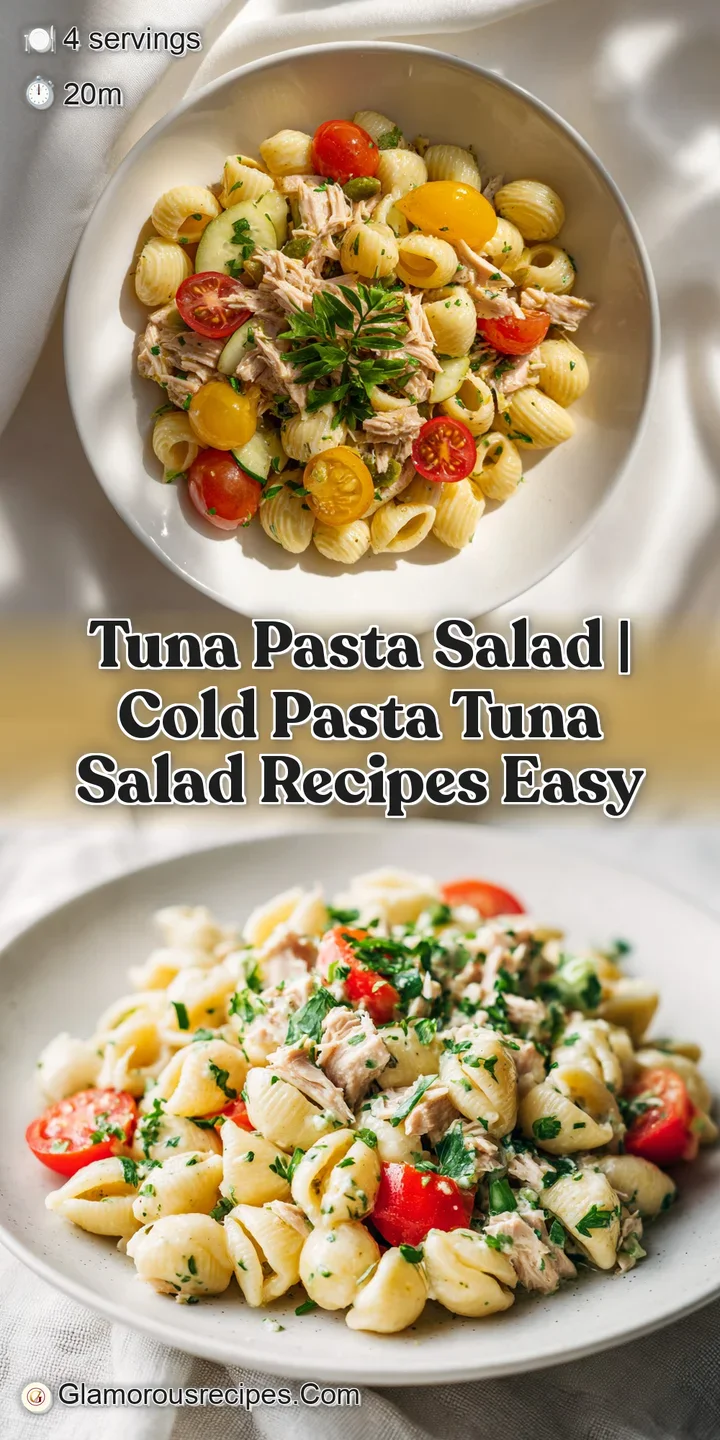
Recipe FAQs
What to put in a tuna pasta salad?
Use a base of short pasta like shells, rotini, or elbow macaroni. Combine these with drained solid white albacore tuna, blanched frozen peas, diced celery, minced red onion, chopped sweet pickles, and fresh dill for the best texture and flavor balance.
Are pasta salads good for diabetics?
Generally, no, unless portioned carefully. Pasta is a carbohydrate dense ingredient, but you can improve the nutritional profile by ensuring you follow the al dente cooking method cooking one minute less than package directions to minimize the impact on blood sugar levels.
What are five mistakes to avoid when making pasta salad?
Avoid overcooking the noodles, forgetting to salt your pasta water, skipping the cold water rinse, using warm pasta for the dressing, and failing to chill the salad. If you enjoyed mastering the precise al dente texture here, apply the same timing discipline when preparing other noodle dishes to ensure they hold up against dressings.
How to keep tuna pasta salad from becoming dry the next day?
Rinse your pasta thoroughly under cold water to remove excess starch before folding it into the dressing. Because pasta is porous and will continue to soak up moisture, reserving a small amount of dressing to toss in just before serving can also help maintain a creamy consistency.
Is it true that I should cook my peas separately from the pasta?
No, this is a common misconception. You can blanch the frozen peas directly in the pasta pot during the final 60 seconds of boiling, which saves time and ensures the peas reach the perfect bright green, tender state without extra cleanup.
How to develop the best flavor in a tuna pasta salad?
Chill the salad for at least two hours before serving. Allowing the dish to rest in the refrigerator lets the lemon zest, fresh dill, and red onion oils permeate the mayonnaise base, resulting in a much more cohesive and vibrant taste.
Is it okay to use a different type of pasta than shells?
Yes, any short pasta shape works well. Rotini or elbow macaroni are excellent substitutes for shells because their nooks and ridges excel at holding the creamy dressing and small pieces of tuna and celery.
Easy Tuna Pasta Salad
Ingredients:
Instructions:
Nutrition Facts:
| Calories | 552 kcal |
|---|---|
| Protein | 29.2 g |
| Fat | 23.4 g |
| Carbs | 54.8 g |
| Fiber | 3.8 g |
| Sugar | 6.2 g |
| Sodium | 685 mg |
