Easy Tres Leches Cake: Silky and Moist
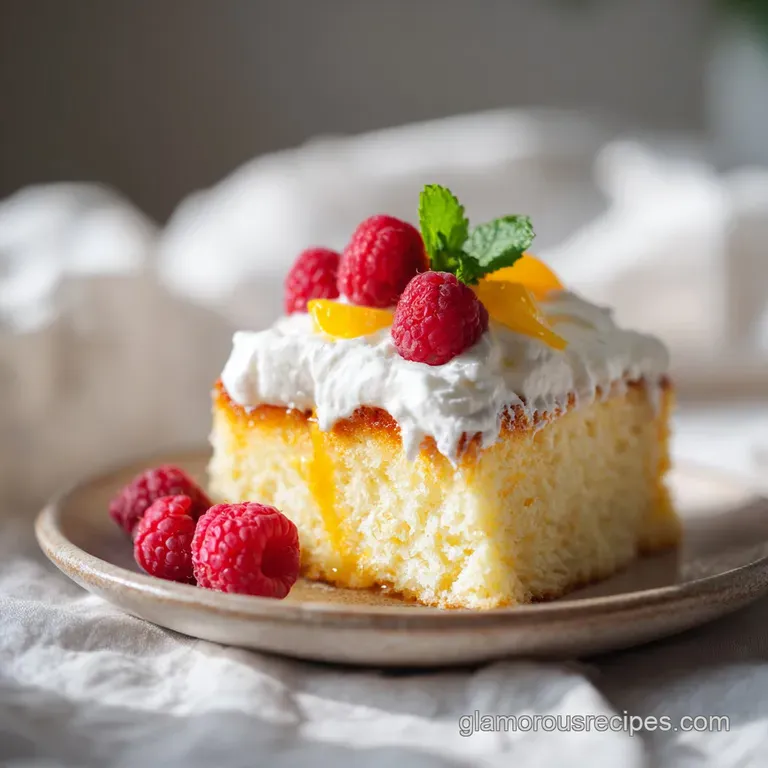
- Time: Active 15 minutes, Passive 30 minutes, Total 45 minutes
- Flavor/Texture Hook: Silky, milk drenched sponge with a cloud like whipped topping
- Perfect for: Elegant dinner parties or a sophisticated quick win dessert
Crafting The Easy Tres Leches Cake
Imagine pulling a golden, mahogany topped cake from the oven, the kitchen smelling of warm vanilla and toasted butter. You poke a series of tiny holes across the surface, and as you pour a cool, velvety mixture of three milks over it, you watch the liquid vanish instantly into the sponge.
It is a moment of pure culinary magic where a basic box mix is elevated into something that feels like it came from a high end pastry shop.
I remember the first time I tried a truly authentic tres leches; it was at a small bakery where the air was thick with the scent of cinnamon. The cake wasn't soggy or mushy; it was perfectly saturated, holding its shape while releasing a burst of cool, sweet cream with every bite.
That is the exact experience we are going for here. We are using a few shortcuts to save time, but the technique remains rooted in precision and elegance.
This easy tres leches cake is designed for those moments when you need a show stopping dessert without spending five hours in the kitchen. We are focusing on the color balance the stark white of the whipped cream against the warm dust of cinnamon and the specific physics of how a warm cake absorbs liquid.
You'll get that artisanal feel with about half the effort, and honestly, no one will ever guess you started with a mix.
Critical Recipe Specifications
Success in the kitchen, especially with pastry, comes down to understanding the relationship between temperature and texture. When we talk about this cake, we are looking for a specific structural integrity that can withstand nearly 30 ounces of liquid without collapsing into a puddle.
This is where our specific choices in ingredients and timing become vital.
Capillary Action: By poking holes in a warm cake (10 minutes post oven), we utilize the cooling process to "pull" the cold milk mixture into the center of the crumb.
Protein Reinforcement: Adding four eggs instead of the standard three provides the extra "scaffolding" needed to support the weight of the heavy milk soak.
Fat Saturation: Using melted butter instead of oil creates a tighter, more buttery crumb that mimics a scratch made sponge, preventing the milk from simply leaking out the bottom.
Sugar Stability: The powdered sugar in the topping doesn't just sweeten; it contains a tiny amount of cornstarch which helps stabilize the heavy cream, keeping it fluffy for hours.
| Feature | Fast Method (This Recipe) | Classic Scratch Method |
|---|---|---|
| Base Texture | Sturdy, buttery, and reliable | Airy, sponge like, and delicate |
| Active Time | 15 minutes | 45 minutes |
| Risk Factor | Low; cake mix is pre balanced | High; sponge can easily deflate |
The difference between a "good" cake and a "spectacular" one often lies in the resting period. While the bake time is only 30 minutes, the true transformation happens during the four hour chill.
This allows the milks to emulsify with the starches in the cake, creating that signature velvety mouthfeel that defines a great easy tres leches cake.
Analyzing Our Selected Ingredients
Every component in this easy tres leches cake serves a structural or sensory purpose. When we choose a high-quality yellow cake mix, we are essentially buying a pre measured blend of flour, leavening, and stabilizers that are designed to behave predictably.
By swapping the water for whole milk and the oil for melted butter, we are "re engineering" that mix to have a richer, more artisan style profile.
| Component | Science Role | Pro Secret |
|---|---|---|
| Whole Milk | Hydrates starches while adding fat | Use room temp milk to keep the batter emulsified |
| Evaporated Milk | Provides concentrated milk solids | Provides the "toasted" flavor note without extra sugar |
| Sweetened Condensed Milk | Acts as the primary sweetener and thickener | Whisk thoroughly to ensure it doesn't settle at the bottom |
| Kosher Salt | Sharpens the sweetness | A tiny pinch in the milk soak prevents it from being cloying |
- 15.25 oz yellow cake mix
- The foundation of our structure. Why this? Provides consistent rise and a sturdy crumb for soaking.
- 4 large eggs
- Extra protein for lift. Why this? Essential for holding up the heavy milks.
- 0.5 cup unsalted butter
- Melted and cooled. Why this? Adds a rich, bakery style flavor compared to oil.
- 1 cup whole milk
- For the batter. Why this? Adds more fat and flavor than water.
- 1 tsp vanilla extract
- Pure aromatic bliss.
- 14 oz sweetened condensed milk
- The "dulce" element.
- 12 oz evaporated milk
- The creamy, nutty backbone.
- 0.5 cup heavy whipping cream
- For added silkiness.
- 0.25 tsp kosher salt
- Balance is everything.
- 2 cups cold heavy whipping cream
- Must be very cold for volume.
- 0.33 cup powdered sugar
- For sweetness and stability.
- 1 tsp ground cinnamon
- For that classic aromatic warmth.
If you are looking for a different flavor profile, you might consider how this compares to other rich desserts. For example, while this cake relies on liquid saturation, a Butter Pecan Pound Cake gets its moisture from sour cream and high fat content. Both are incredible, but the tres leches offers a unique "burst" of moisture that pound cakes lack.
Required Tools For Success
You don't need a professional pastry kitchen to pull this off, but a few specific tools will make the process much smoother. I personally prefer using a glass 9x13 inch baking dish because it allows you to see the milk absorption as it happens.
Plus, glass retains heat evenly, which helps the cake bake at a consistent rate without scorched edges.
- Large Glass Bowl: For mixing your batter and whisking the three milks.
- Electric Hand Mixer: Essential for getting those 2 minutes of medium speed beating to aerate the batter.
- Bamboo Skewer: My preferred tool for poking holes. It creates a cleaner "tunnel" for the milk than a fork.
- Offset Spatula: This is the secret to that perfectly smooth, artisan whipped cream top.
If you find yourself torn between different approaches, here is a quick guide to help you decide how to handle your preparation:
- If you want a lighter cake, use a fork to poke hundreds of tiny holes.
- If you want a more "custard like" cake, use a thicker skewer and poke fewer, larger holes.
- If you want a cleaner slice, ensure the cake is completely chilled (6+ hours) before cutting.
Mastering The Cooking Steps
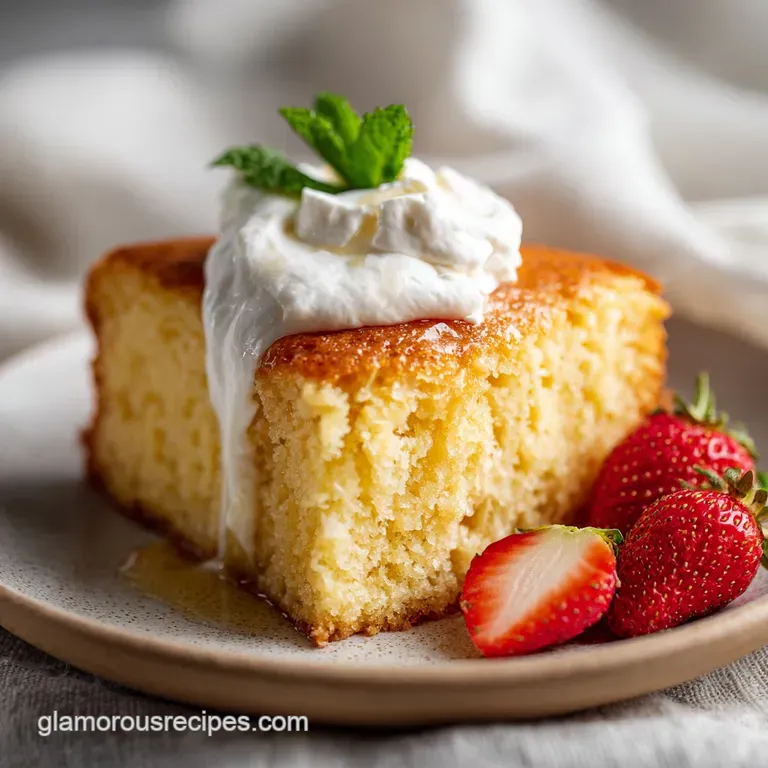
Preheat oven to 350°F (175°C). Grease your 9x13 inch baking dish thoroughly with butter or non stick spray. Note: This ensures the cake doesn't stick when you pour the soak later.
Combine ingredients. In a large bowl, whisk together the cake mix, 4 eggs, 0.5 cup melted butter, and 1 cup whole milk.
Beat the batter. Using an electric mixer, beat on medium speed for 2 minutes until the batter is pale, smooth, and slightly aerated.
Bake the sponge. Pour the batter into the prepared dish and bake for 28-32 minutes until the top is a deep mahogany and a toothpick comes out clean.
Initial cooling. Let the cake rest in the pan for exactly 10 minutes. Note: This allows the structure to set so it doesn't crumble when poked.
Perforate the surface. Use a bamboo skewer or fork to poke holes across the entire surface, about 1/2 inch apart, making sure to reach the very bottom of the pan.
Prepare the "Tres Leches". Whisk together the sweetened condensed milk, evaporated milk, 1/2 cup heavy cream, and salt until the mixture is completely homogenous.
The slow pour. Slowly and evenly pour the milk mixture over the warm cake, focusing on the edges first where the cake is naturally drier.
The long chill. Cover and refrigerate for at least 4 hours, though overnight is better until the cake has absorbed every drop of liquid.
The whipped finish. Beat 2 cups cold heavy cream with powdered sugar until stiff, velvety peaks form. Spread over the cake and finish with a dusting of cinnamon.
Fixing Common Baking Errors
Even with an easy tres leches cake, things can occasionally go sideways. The most common issue I hear from friends is that the cake turned out "mushy" rather than "soaked." This usually happens if the cake wasn't baked long enough or if the soak was poured over a cake that was still piping hot from the oven.
Why Your Cake Is Soggy
If the bottom of your cake feels like a wet sponge rather than a moist cake, it likely didn't have enough structural support. This can happen if you skip the extra egg or use a lower fat milk in the batter.
The proteins in the eggs are what hold the "walls" of the crumb up; without them, the milk simply collapses the air pockets.
| Problem | Root Cause | Solution |
|---|---|---|
| Milk Pooling on Top | Holes were too small or didn't go deep enough | Use a thicker skewer and ensure you hit the bottom of the pan |
| Rubbery Texture | Over beating the batter after the 2 minute mark | Stop mixing as soon as the batter is smooth |
| Cream Deflating | Whipping cream was too warm or bowl was greasy | Chill your bowl and whisk for 15 minutes before whipping |
Common Mistakes Checklist
- ✓ Always use "large" eggs; medium eggs won't provide enough protein for the structure.
- ✓ Pat the butter dry if it was stored in a humid fridge before melting.
- ✓ Let the cake cool for the full 10 minutes before poking; poking too early leads to a torn surface.
- ✓ Pour the milk slowly if you dump it all at once, it will run down the sides instead of soaking into the holes.
- ✓ Don't skip the salt in the milk soak; it is the only thing that cuts through the intense sweetness.
Simple Flavor Variations
One of the best things about this recipe is how easily it adapts to different tastes. While the classic version is iconic, you can easily shift the flavor profile with just one or two small changes.
I love the idea of turning this into a tropical treat by swapping some of the dairy for coconut alternatives, which adds a lovely nutty note to the finish.
| Original Ingredient | Substitute | Why It Works |
|---|---|---|
| Whole Milk (Batter) | Coconut Milk (Full Fat) | Similar fat content. Note: Adds a subtle tropical aroma |
| Ground Cinnamon | Ground Nutmeg | Adds a deeper, woodier spice profile |
| Yellow Cake Mix | White Cake Mix | Provides a cleaner, more "milk forward" flavor |
If you are cooking for a larger crowd, scaling this recipe is quite simple. Because we are using a 9x13 pan, doubling the recipe essentially means making two separate cakes. I don't recommend trying to bake a double batch in a deeper pan, as the middle will struggle to cook through before the edges burn. If you want to see how this compares to another crowd pleaser, look at the yield for a Pecan Upside Down Bundt Cake which also serves 12-15 people but offers a much crunchier, caramelized texture.
When scaling down for just a few people, you can halve the ingredients and bake in an 8x8 inch square pan. Reduce the bake time by about 5 minutes, but keep the 4 hour soak time the same. The science of absorption doesn't change just because the cake is smaller!
Storage And Keeping
This easy tres leches cake is one of those rare desserts that actually tastes better the next day. The storage is straightforward because the milk acts as a preservative for the moisture in the crumb.
Refrigeration: Always keep this cake covered in the fridge. It will stay fresh and silky for up to 4 days. After that, the whipped cream may start to weep or absorb other "fridge smells."
Freezing: You can freeze the baked and soaked cake (before adding the whipped cream) for up to 2 months. Thaw it overnight in the fridge before adding the fresh topping and cinnamon.
Zero Waste: If you have leftover milk soak that didn't fit in the pan, don't throw it away! It makes an incredible creamer for your morning coffee or can be drizzled over a bowl of oatmeal. If you have cake scraps, crumble them into a glass with a bit of extra cream to make a quick tres leches parfait.
Professional Garnish Strategies
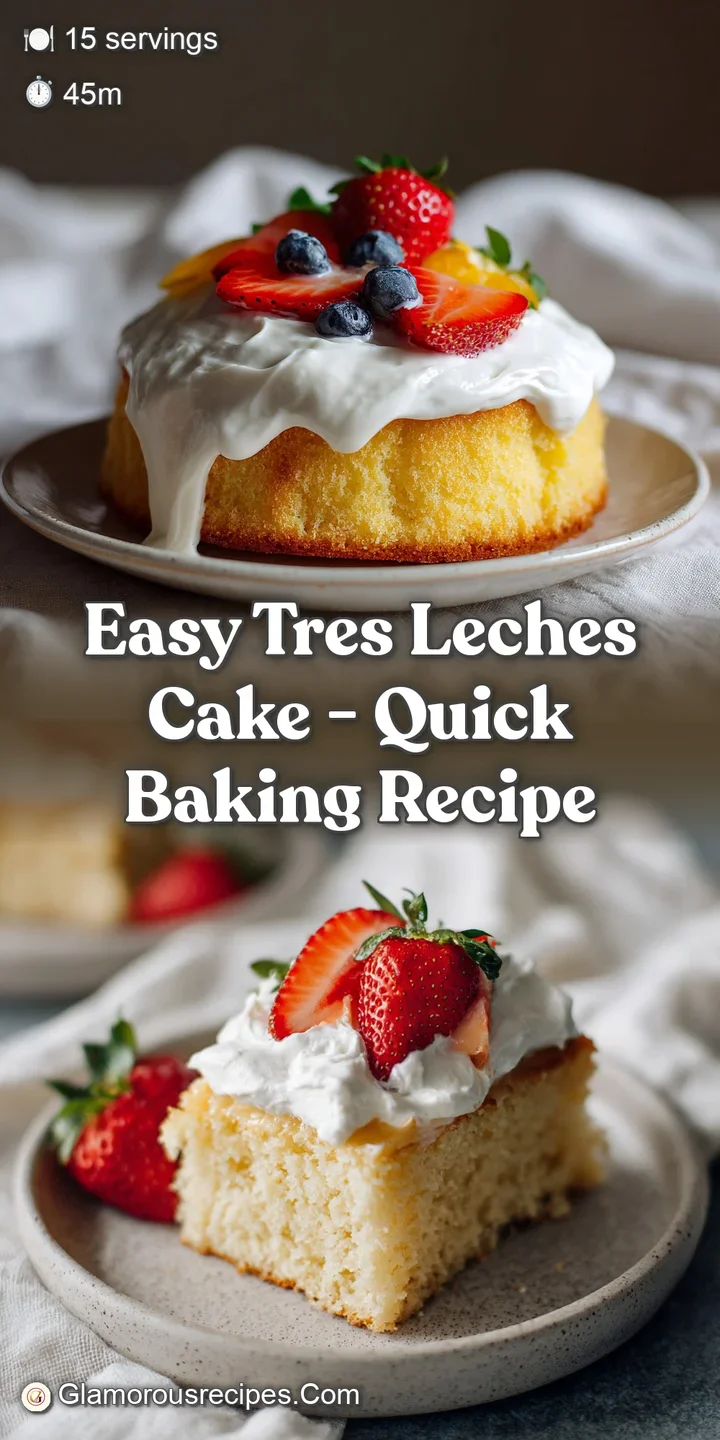
Presentation is where you turn a simple home cooked meal into an artisanal experience. For an easy tres leches cake, we want to focus on color balance. The primary canvas is white, so we need "pops" of color to create visual interest. I recommend three specific accents:
- Warm Earth Tones: The cinnamon dusting should be fine and even. Use a mesh sieve to avoid clumps.
- Vibrant Red: Sliced strawberries add a necessary acidity that cuts through the richness.
- Fresh Green: A small sprig of mint on each slice provides a professional, "pastry shop" look.
There are many misconceptions about this cake that can lead people astray. One common myth is that you need to use a sponge cake made without fat (like an angel food cake) to absorb the milk.
In reality, a fat based cake like our yellow mix version actually holds the milk better because the fats help create a stable emulsion, preventing the liquid from just leaking out.
Another myth is that "more milk is always better." Trust the measurements in the recipe! If you exceed the 30 ounces of liquid for this size cake, you risk the structure failing entirely, resulting in a cake that falls apart as soon as you try to plate it.
Stick to the ratios, focus on the chill time, and your easy tres leches cake will be the star of the show every single time.
Recipe FAQs
Is there a secret ingredient for the best tres leches cake?
Yes, kosher salt. Adding 0.25 teaspoon of salt to your milk mixture is the secret to cutting through the intense sweetness of the condensed milk, balancing the flavor profile of the entire dessert.
Is this cake suitable for diabetics?
No, this recipe is not suitable for diabetics. It contains high amounts of refined sugar and carbohydrates from the cake mix and sweetened condensed milk.
Can I use box cake mix for tres leches cake?
Yes, a high-quality yellow cake mix is the foundation of this recipe. Using a reliable base allows you to focus on the milk soaking technique, which is similar to the patience required for our artisan velvety dough processes.
How long does the cake need to soak before serving?
Chill for at least 4 hours. This duration ensures the three milk mixture fully saturates the crumb, resulting in that signature moist texture without the cake falling apart.
Is it true I must poke the holes while the cake is still piping hot?
No, this is a common misconception. You must let the cake cool for exactly 10 minutes first, otherwise the structure is too fragile and the surface will tear when you poke it.
How to ensure the milk soaks in properly?
Pour the milk mixture slowly over the surface. Dumping the liquid too quickly causes it to pool around the edges instead of absorbing into the holes you created.
How to keep the whipped cream topping from weeping?
Whip the heavy cream until stiff peaks form and serve immediately after chilling. Since the milk soaked cake is quite heavy, keeping the dessert refrigerated until the final moment prevents the cream from destabilizing.
Easy Tres Leches Cake
Ingredients:
Instructions:
Nutrition Facts:
| Calories | 452 kcal |
|---|---|
| Protein | 8g |
| Fat | 29g |
| Carbs | 43g |
| Fiber | 0.3g |
| Sugar | 35g |
| Sodium | 235mg |
