Chinese Pepper Steak: Velvety and Tender
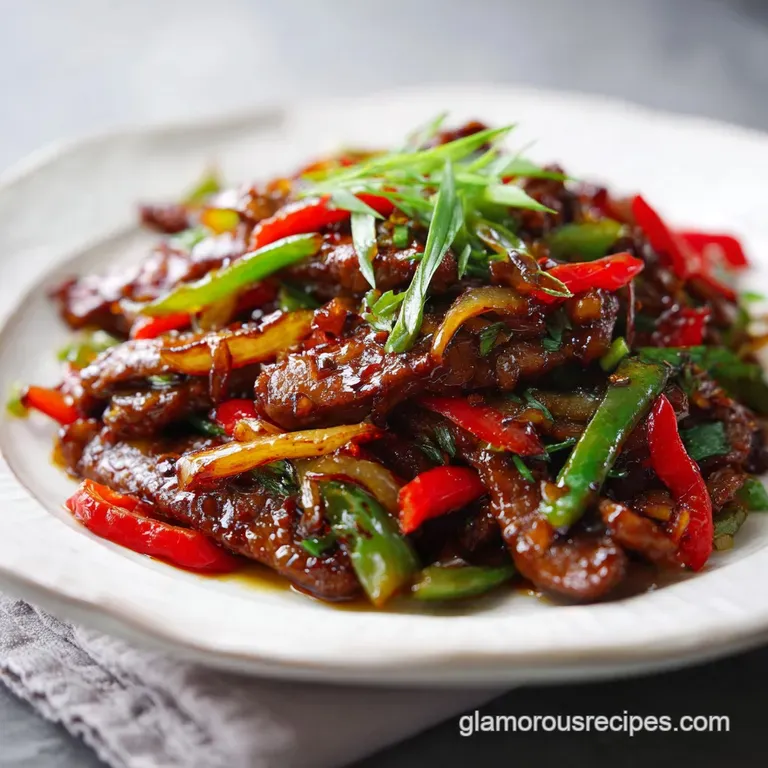
- Time:15 minutes prep + 10 minutes cook = 25 minutes total
- Flavor/Texture Hook: Velvety beef paired with blistered, crisp tender peppers
- Perfect for: A nostalgic weeknight dinner or soul nourishing family gathering
- A Soul Nourishing Classic Pepper Steak Recipe
- Why These Flavors Harmonize
- Quick Reference for Success
- Choosing Your Essential Elements
- The Best Tools for Searing
- Step-By-Step Culinary Success
- Expert Advice for Best Results
- Creative Variations for Your Table
- Keeping Your Leftovers Fresh
- Perfect Pairings for Your Meal
- Very High in Sodium
- Recipe FAQs
- 📝 Recipe Card
A Soul Nourishing Classic Pepper Steak Recipe
The first time I smelled this dish, I was six years old, standing on a stepstool in my grandmother’s kitchen. The scent of onions hitting a hot pan, followed by the sharp, earthy bite of freshly cracked black pepper, is a memory etched into my soul.
Pepper steak is more than just a stir fry; it is a cultural bridge. Born from the Chinese American kitchens of the mid-20th century, it adapted traditional Cantonese techniques to the ingredients available in local grocery stores.
It represents a time when families gathered around the table to share something new yet deeply comforting.
I remember watching the steam rise from the porcelain bowl, the beef looking so silky it almost shimmered under the kitchen lights. For many, this pepper steak recipe was their first introduction to the world of umami. It doesn’t rely on fancy gadgets or rare spices.
Instead, it uses the magic of high heat and a few pantry staples to create a meal that feels like a warm hug. Whether you grew up eating this or you are discovering it now, there is something profoundly nourishing about the contrast of tender meat and snappy vegetables.
We are going to make a version that honors that heritage while ensuring your beef is never chewy. If you have ever struggled with tough stir fry meat, trust me, those days are over.
This dish is about the harmony of the "wok hei" that breath of the wok combined with a thick, savory gravy that clings to every grain of rice. It’s simple, it’s fast, and it’s a classic for a very good reason.
Why These Flavors Harmonize
The magic of this dish lies in the contrast between the heat of the pepper and the sweetness of the onions. When you sear the beef at a high temperature, you aren't just cooking it; you are creating a mahogany colored crust that provides a deep, roasty foundation for the lighter, brighter flavors of the ginger and garlic.
- Alkaline Tenderizing: Baking soda raises the pH of the meat's surface, preventing the proteins from bonding too tightly when heated.
- Starch Gelatinization: Cornstarch in the marinade and gravy swells when heated, creating that iconic glossy, velvety texture.
- Aromatic Infusion: Grating the ginger instead of slicing it releases more cell enclosing juices, ensuring every bite has a spicy, floral kick.
- Umami Synergy: Combining soy sauce with oyster sauce creates a layer of savory depth that salt alone can't achieve.
| Cooking Style | Prep Time | Resulting Texture | Best Used For |
|---|---|---|---|
| Fast Searing | 15 minutes | Crisp tender peppers, juicy beef | Quick weeknight meals |
| Classic Braised | 45 minutes | Very soft vegetables, thick gravy | Sunday family dinners |
| Slow Cooked | 6 hours | Fall apart beef, melded flavors | Hands off meal prep |
The fast searing method is what we are focusing on today because it preserves the soul of the ingredients. You want that "shatter" of a crisp pepper against the "silky" give of the steak. It’s a sensory experience that keeps you coming back for a second bowl.
Quick Reference for Success
Before you start chopping, it's helpful to have a roadmap of what success looks like. This isn't just about following steps; it's about understanding the timing. Since this recipe moves incredibly fast once the pan is hot, having your checkpoints ready will keep you from feeling overwhelmed.
| Meat Thickness | Target Temp | Marination Time | Visual Cue |
|---|---|---|---|
| 1/8 inch strips | 145°F | 10 minutes | Opaque and browned |
| 1/4 inch strips | 145°F | 20 minutes | Dark mahogany crust |
| 1/2 inch strips | 150°F | 30 minutes | Seared edges, soft center |
Note: Slicing the beef thinly is the most important part of this pepper steak recipe. If the meat is too thick, it won't velvet properly and you'll lose that restaurant quality tenderness.
Choosing Your Essential Elements
Selecting the right ingredients is where the soul of the dish begins. I always tell my friends that a recipe is only as good as the love you put into choosing the components. For this dish, the flank steak is the star, but the aromatics are the supporting cast that makes it shine.
- Flank Steak (1 lb): Sliced thin against the grain. Why this? It has a bold beefy flavor and the perfect texture for quick searing.
- Bell Peppers (2 large): Use a mix of colors for visual appeal. Why this? Their sweetness balances the sharp black pepper and salty soy sauce.
- Oyster Sauce (1 tbsp): A thick, savory condiment. Why this? It adds a rich, syrupy consistency and a hidden layer of seafaring umami.
- Fresh Ginger (1 tsp): Freshly grated is a must. Why this? It provides a bright, zingy heat that offsets the richness of the beef.
- Baking Soda (0.5 tsp): The secret weapon for tenderness. Why this? It breaks down tough fibers, making cheap cuts taste like prime rib.
| Component | Science Role | Pro Secret |
|---|---|---|
| Cornstarch | Moisture Barrier | Acts as a "shield" to keep juices inside the meat during over high heat frying. |
| Sesame Oil | Flavor Carrier | Its high aromatic concentration clings to the beef, providing a nutty finish. |
| Brown Sugar | Caramelization | Lowers the temperature at which browning occurs, giving you a better crust. |
| Black Pepper | Heat Profile | Coarsely cracked pepper provides a textured "pop" of heat rather than just dust. |
Using the right starch is essential. While some people try to swap cornstarch for flour, the result is often gummy rather than velvety. If you’re interested in how different starches affect meat, you might notice similar principles in my Slow Cooker Pot Roast, where collagen breakdown replaces the need for baking soda over a much longer period.
The Best Tools for Searing
While you can technically make this in a standard frying pan, the right equipment makes the process much smoother. You need something that can hold heat. Stir frying is a violent, high energy process, and a thin pan will lose its temperature the second you add the cold meat.
I highly recommend a large heavy bottomed skillet or a carbon steel wok. If you have a cast iron skillet (like a Lodge), that works beautifully too. You want a wide surface area so the beef can sear in a single layer.
If the meat is crowded, it will steam in its own juices and turn gray rather than developing that beautiful brown crust we’re looking for.
You'll also want a good set of tongs or a sturdy spatula. I prefer tongs because they allow you to flip individual pieces of beef to ensure both sides get that perfect sear. A microplane is also a lifesaver for the ginger and garlic; it turns them into a paste that melts into the sauce without leaving chunky bits behind.
step-by-step Culinary Success
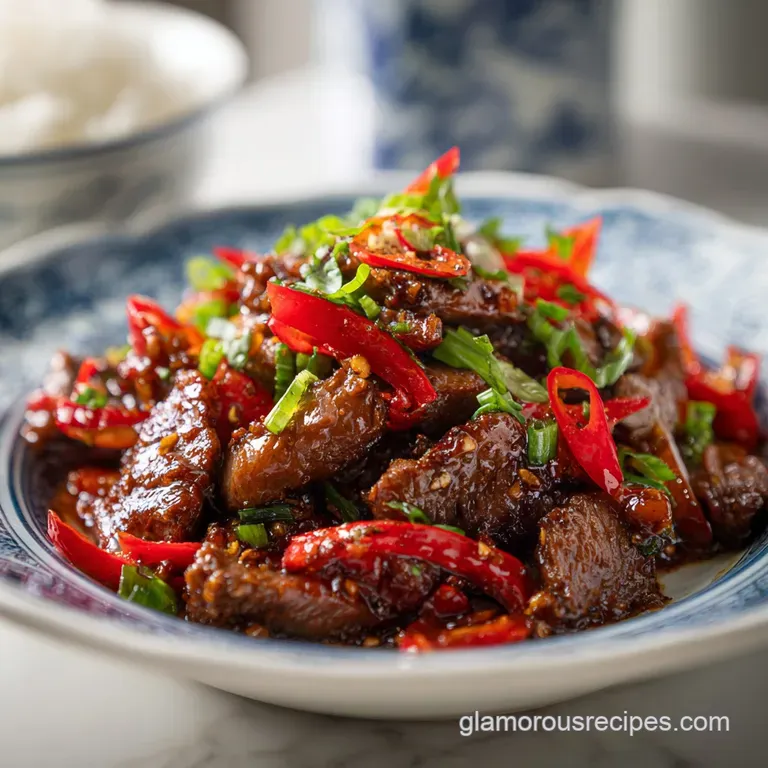
- Prep the protein. Slice the 1 lb flank steak into 1/8 inch strips against the grain. Note: Slicing against the grain cuts through the tough muscle fibers.
- Velvet the beef. Mix the beef with 1 tbsp soy sauce, 1 tbsp cornstarch, 1 tsp sesame oil, and 0.5 tsp baking soda. Massage it well.
- Rest the meat. Let the beef sit for 10 minutes. Until the meat looks slightly glossy and tacky.
- Whisk the gravy. Combine 0.5 cup beef broth, 3 tbsp soy sauce, 1 tbsp oyster sauce, 1 tbsp brown sugar, ginger, garlic, and 1 tbsp cornstarch.
- Prep the vegetables. Slice the 2 bell peppers and 1 large onion into consistent strips. Note: Even sizes ensure they cook at the same rate.
- Flash fry vegetables. Heat 1 tbsp oil in the pan until smoking. Add peppers and onions. Until edges are charred but center is crunchy.
- Remove and hold. Take the vegetables out of the pan and set them aside. This prevents them from overcooking while the beef sears.
- Sear the beef. Add 2 tbsp oil to the empty hot pan. Lay the beef in a single layer. Until a dark crust forms on the bottom.
- Flip and finish. Toss the beef to cook the other side (about 1 minute). Add the 1 tsp cracked black pepper now for maximum aroma.
- Emulsify the sauce. Pour the gravy mixture into the pan. Stir constantly until the sauce bubbles and turns translucent and thick.
- Combine and serve. Toss the vegetables back in just to coat. Serve immediately over hot rice.
Expert Advice for Best Results
One of the biggest mistakes I see people make with this pepper steak recipe is overcrowding the pan. I know it’s tempting to throw everything in at once, but trust me, you will regret it. When you put too much cold food into a hot pan, the temperature drops instantly.
Instead of searing, the meat begins to boil in its own moisture. You end up with grey, rubbery beef instead of that mahogany crusted goodness.
Navigating the Smoke Point
You must use a neutral oil with a high smoke point, like canola, peanut, or grapeseed oil. Do not use extra virgin olive oil or butter here; they will burn and turn bitter before the pan is hot enough to sear the steak.
You want to see just a tiny wisp of smoke rising from the oil before you add the first piece of meat.
Avoiding the Soggy Vegetable Trap
The goal for the peppers and onions is "blistered yet firm." They should have little black charred spots on the outside but still have a satisfying snap when you bite into them. This is why we cook them separately from the beef.
If you cook them together, the moisture from the vegetables will prevent the beef from searing, and the time it takes to cook the beef will turn the peppers into mush.
| Original Ingredient | Substitute | Why It Works |
|---|---|---|
| Flank Steak | Sirloin Tip | Lean and tender, though slightly less beefy flavor. |
| Oyster Sauce | Hoisin Sauce | Similar thickness. Note: Much sweeter, so reduce the added brown sugar. |
| Soy Sauce | Tamari | gluten-free alternative with a very similar salty profile. |
| Beef Broth | Chicken Broth | Provides the liquid base; results in a lighter, less "heavy" gravy. |
If you find yourself out of beef broth, you can even use water with a little extra soy sauce, though the flavor won't be quite as soul nourishing. For a side that breaks away from the traditional rice, I sometimes serve this over Oven Fried Potatoes and Onions, which soak up the gravy in a way that is absolutely heavenly.
Common Mistakes Checklist
- ✓ Always slice the beef while it is slightly frozen (30 mins in freezer) for much thinner, cleaner cuts.
- ✓ Never skip the 10 minute resting period for the velveting process; the baking soda needs time to work.
- ✓ Ensure the pan is screaming hot before the beef hits the oil to lock in the juices.
- ✓ Don't overcook the sauce; once it thickens and coats the back of a spoon, it's done.
- ✓ Use freshly cracked black pepper rather than the fine ground stuff for a better flavor "pop."
Creative Variations for Your Table
While the classic version is iconic, there are so many ways to make this recipe your own. If you want to make a Ground Beef Pepper Steak, you can swap the flank steak for a lean ground beef. It's a more budget friendly version that kids often love because the meat is even easier to chew.
Just make sure to drain the excess fat after browning the meat so the sauce doesn't become greasy.
For those looking for a Low Carb Version, simply swap the brown sugar for a keto friendly sweetener like erythritol and use xanthan gum instead of cornstarch to thicken the sauce. Serve the whole thing over cauliflower rice or even sautéed zoodles.
The bold flavors of the pepper and ginger are so strong that you won't even miss the traditional starch.
If you like a bit of heat beyond the black pepper, adding a teaspoon of red chili flakes or a dollop of chili garlic sauce to the gravy mixture can give it a modern, spicy twist. I’ve even seen people add sliced celery or water chestnuts for extra crunch, which adds a lovely texture contrast to the velvety beef.
Keeping Your Leftovers Fresh
This dish is one of those rare gems that actually tastes better the next day. As it sits in the fridge, the ginger and garlic continue to infuse into the beef, creating a deeper flavor profile.
- Storage
- Store in an airtight container in the refrigerator for up to 4 days.
- Freezing
- You can freeze the cooked pepper steak for up to 2 months. However, be aware that the peppers will lose their crunch and become quite soft upon thawing.
- Reheating
- The best way to reheat is in a skillet over medium heat with a splash of water or beef broth to loosen the gravy. Microwave reheating works in a pinch, but do it in 30 second intervals to avoid overcooking the beef and making it tough.
Zero Waste Tip: Don't throw away the scallion roots or onion skins! Toss them into a freezer bag to make a homemade scrap broth later. Also, if you have leftover gravy but no meat, it makes an incredible base for a quick noodle stir fry the next day.
| Problem | Root Cause | Solution |
|---|---|---|
| Tough Beef | Sliced with grain | Always slice against the visible lines of the muscle. |
| Thin Sauce | Starch didn't boil | The sauce must reach a simmer to activate the cornstarch thickening. |
| Soggy Peppers | Overcrowded pan | Cook vegetables in batches or ensure the pan stays at high heat. |
Perfect Pairings for Your Meal
Traditionally, this pepper steak recipe is served over a bed of fluffy white jasmine rice. The rice acts as a neutral canvas that soaks up every drop of that savory, peppery gravy. If you want to add more greens to your table, a side of Smashed Roasted Brussels Sprouts offers a charred, nutty contrast that pairs beautifully with the umami of the oyster sauce.
For a drink pairing, a crisp Lager or a slightly off dry Riesling works wonders. The carbonation of the beer cuts through the richness of the beef, while the hint of sweetness in the wine balances the heat of the black pepper.
If you're going non alcoholic, a sparkling ginger ale with a squeeze of lime echoes the ginger in the sauce and keeps the palate refreshed.
A common myth is that you need a specialized wok to get a good stir fry. While a wok is great for tossing, a heavy cast iron skillet actually provides better heat retention for searing meat on a standard home stove. Another myth is that you should wash your meat before cooking. Please don't!
It just splashes bacteria around your sink and makes the meat too wet to sear properly. Just pat it dry with a paper towel if needed, though the cornstarch in our marinade will handle most of the surface moisture anyway.
This dish is all about the feeling of home. It’s about the sizzle in the pan, the aroma in the air, and the people waiting at the table. When you bring that steaming bowl out, you aren't just serving dinner; you're serving a piece of history that has been perfected through generations of home cooks just like us.
Enjoy every velvety, peppery bite!
Very High in Sodium
1040 mg 1040 mg (45% 45%)
The American Heart Association recommends no more than 2,300 mg of sodium per day for most adults, with an ideal limit of about 1,500 mg per day for most adults, especially those with high blood pressure.
Tips to Reduce Sodium in Your Flank Steak Stir fry
-
Choose Low-Sodium Broth-30%
Replace the 0.5 cup unsalted beef broth with low-sodium beef broth or even water. This is the most significant sodium contributor.
-
Reduce Soy Sauce-20%
Cut the total soy sauce from 4 tablespoons to 1 tablespoon. You can also opt for low-sodium soy sauce to further decrease sodium content.
-
Opt for Low-Sodium Oyster Sauce-20%
Replace the 1 tablespoon oyster sauce with a low-sodium version. Regular oyster sauce is a concentrated source of sodium.
-
Boost Flavor with Herbs and Spices
Enhance the dish's taste by generously using fresh herbs like cilantro or parsley, and spices like black pepper, red pepper flakes, or a pinch of chili powder instead of relying on sodium for flavor.
-
Increase Aromatics-5%
Amplify the natural flavors by increasing the amount of fresh ginger and garlic. This can help compensate for reduced saltiness.
Recipe FAQs
What ingredients do you need for pepper steak?
You need thin sliced flank steak, bell peppers, onion, and a savory sauce base. Specifically, assemble 1 lb of flank steak, 2 bell peppers, 1 yellow onion, soy sauce, oyster sauce, beef broth, brown sugar, ginger, garlic, cornstarch, baking soda, sesame oil, neutral oil, and freshly cracked black
pepper.
What are common mistakes when making pepper steak?
Overcrowding the pan and skipping the velveting process are the most frequent errors. Failing to slice against the grain or not getting your skillet to a smoking hot temperature will result in chewy meat instead of the desired tender texture.
Which cut of steak is best for pepper steak?
Flank steak is the gold standard for this dish. Its long, defined muscle fibers are perfect for thin, cross grain slicing, which ensures the beef remains tender after the high heat searing process.
What gives pepper steak sauce its flavor?
A combination of oyster sauce, soy sauce, and aromatics creates the signature savory depth. The balance of salt, sugar, and ginger provides a complex profile, similar to how we utilize the sweet heat technique to brighten flavors in other cooked dishes.
How to ensure the beef is tender?
Velvet the beef by massaging it with baking soda and cornstarch for 10 minutes. This process breaks down fibers and creates a protective barrier, keeping the meat moist when exposed to the high heat of the wok.
How to get the perfect crust on the steak?
Heat your neutral oil until it starts to smoke before adding the meat. Spread the beef in a single layer to ensure every piece contacts the hot surface, allowing it to sear into a mahogany colored crust without steaming in its own juices.
How to achieve the best vegetable texture?
Toss the onions and bell peppers in a screaming hot pan for only 2 3 minutes. You want them to blister slightly on the outside while maintaining a firm, crisp crunch rather than becoming soft or mushy.
Easy Pepper Steak Recipe
Ingredients:
Instructions:
Nutrition Facts:
| Calories | 358 calories |
|---|---|
| Protein | 26g |
| Fat | 22g |
| Carbs | 15g |
| Fiber | 2g |
| Sugar | 5g |
| Sodium | 1040mg |
