Easy Spring Treat with Lemon Glaze
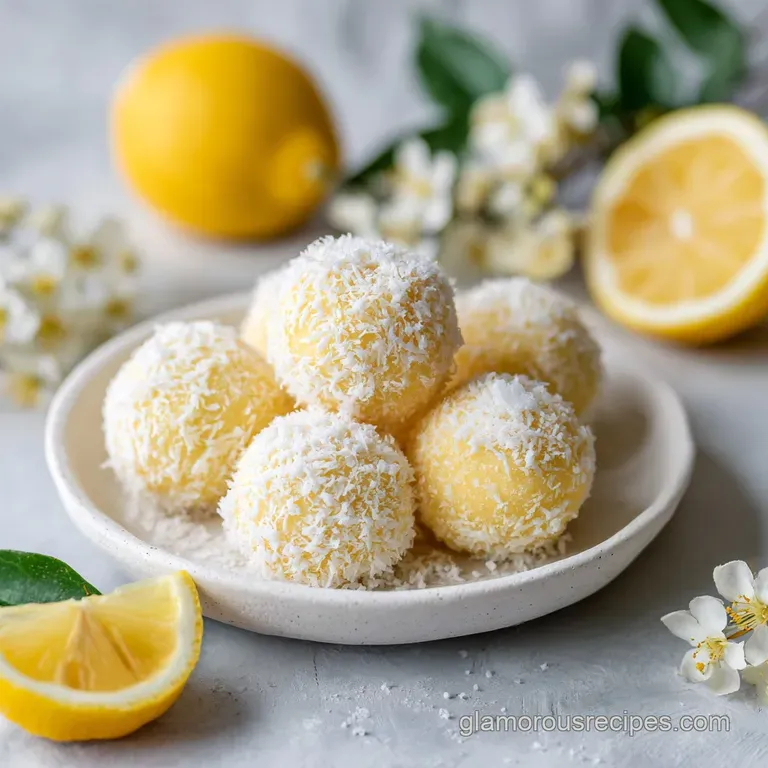
- Time: Active 15 minutes, Passive 20 minutes, Total 35 minutes
- Flavor/Texture Hook: Buttery shatter with a velvety citrus snap
- Perfect for: Afternoon tea or an artisan dessert display
- Easy Spring Treat to Make with Lemon and Glaze
- The Physics of the Citrus Rub
- Deep Dive into Component Analysis
- Essential Tools for Precision Baking
- Bringing the Citrus Layers Together
- Troubleshooting Your Lemon Bar Results
- Creative Variations and Flavor Twists
- Preserving the Delicate Shortbread Texture
- Perfect Pairings and Presentation Tips
- Recipe FAQs
- 📝 Recipe Card
Easy Spring Treat to Make with Lemon and Glaze
The moment the microplane hits the lemon skin, the kitchen transforms. That first burst of citrus oil is pure magic, a sharp and sun drenched aroma that cuts through the rich scent of cold, cultured butter.
I remember the first time I got this recipe right; the shortbread had that specific, delicate shatter, and the glaze was just opaque enough to catch the light.
This easy spring treat to make with lemon and glaze is a delightful, simple recipe that will brighten any day. We aren't looking for a heavy, cake like bar here. Instead, we are chasing the artisan balance of a salt kissed crust and a glaze that hits the back of your palate with a bright, floral acidity.
It’s the kind of pastry that feels sophisticated but relies on the most basic pantry staples.
Trust me, once you see how the glaze settles into the warm crust, creating a semi translucent seal, you won't go back to store-bought treats. We are focusing on precision today weight over volume to ensure that flaky, melt in-your mouth texture that defines a true shortbread.
The Physics of the Citrus Rub
Essential Oil Extraction: Rubbing the 2 tablespoons of fresh lemon zest into the granulated sugar uses mechanical friction to rupture the zest's vacuoles, releasing aromatic oils.
This coats the sugar crystals, ensuring the citrus flavor is distributed through the fat rather than just floating in the dough.
| Method | Time | Texture | Best For |
|---|---|---|---|
| Fresh Pastry | 35 minutes | Delicate, buttery shatter | Artisan gifting |
| store-bought Mix | 25 minutes | Spongy or overly chewy | Last minute snacks |
| No Bake Version | 2 hours | Dense and oily | Summer heatwaves |
Choosing the fresh method ensures the acidity of the 3 tablespoons of freshly squeezed lemon juice remains vibrant rather than dulling under the heat of long term preservation found in shortcuts.
Deep Dive into Component Analysis
The success of this easy spring treat relies on the temperature of your fats and the precision of your dry measurements. Using a scale for the 180g of all purpose flour prevents the bars from becoming tough or dry.
| Ingredient | Science Role | Pro Secret |
|---|---|---|
| Cold Butter (170g) | Creates steam pockets | Freeze for 10 minutes before cubing to keep it solid |
| Granulated Sugar (100g) | Breaks gluten bonds | Rub with zest until the sugar looks like wet sand |
| Confectioners’ Sugar (120g) | Provides a smooth finish | Sift twice to ensure a velvety, lump free glaze |
While the base is baking, you might find you have extra lemons on hand. This is the perfect time to prep a Lemon Drop Drink recipe to sip on while your pastry cools.
Essential Tools for Precision Baking
Precision is the hallmark of a great pastry chef, and this recipe is no different. You’ll need a sharp microplane for that 1 teaspoon of garnish zest and a sturdy pastry cutter or even two forks to work the 170g of cold butter into the flour.
A kitchen scale is your best friend here. Measuring 180g of flour by weight ensures the ratio of fat to starch is exactly where it needs to be for that signature shortbread snap. If you use a measuring cup, you risk packing the flour and ending up with a brick rather than a delicate treat.
Finally, an 8x8 inch square pan lined with parchment paper will make lifting the 16 bars out a seamless process.
Bringing the Citrus Layers Together
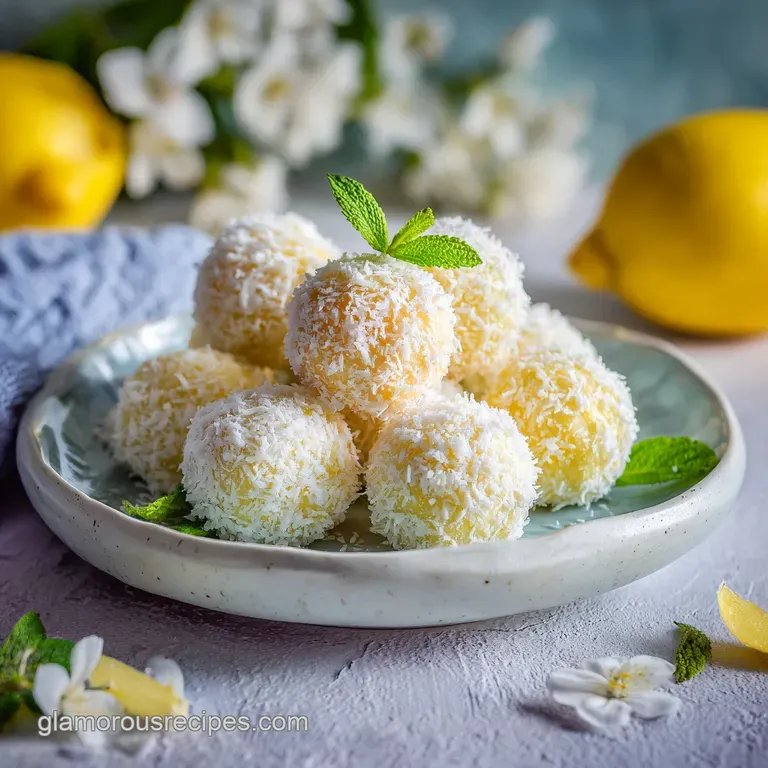
1. The Zest Sugar Infusion
Place 100g of granulated sugar and 2 tablespoons of fresh lemon zest in a large bowl. Use your fingertips to rub the zest into the sugar for about 2 minutes until the sugar is fragrant and damp. Note: This releases the oils for a deeper flavor.
2. The Cold Press Shortbread Method
Add 180g of all purpose flour and 0.25 teaspoon of fine sea salt to the sugar. Toss in 170g of cold, cubed butter.
3. Incorporate the Fat
Work the butter into the flour mixture using a pastry cutter until it resembles coarse crumbs with pea sized bits. Note: Do not overwork; those butter bits create the flaky layers.
4. Press the Base
Firmly press the mixture into the bottom of a lined 8x8 inch pan. Ensure the layer is even to prevent uneven browning.
5. The Golden Bake
Bake for 20 minutes at 350°F until the edges are a very pale gold. Note: The center should look set but not browned.
6. Whisking the 3 Ingredient Glaze
In a small bowl, combine 120g of sifted confectioners’ sugar with 3 tablespoons of lemon juice. Whisk until the texture is thick and velvety.
7. The Finishing Touch
Pour the glaze over the shortbread while it is still slightly warm. Spread it to the edges and immediately sprinkle with the remaining 1 teaspoon of lemon zest.
8. The Setting Period
Allow the bars to cool completely for at least 15 minutes until the glaze is firm to the touch.
9. Slicing for Service
Lift the parchment paper out of the pan and slice into 16 even squares using a sharp, warm knife.
Troubleshooting Your Lemon Bar Results
Crumbly, Falling Apart Bars
If your bars shatter into dust when sliced, the butter may have been overworked or the flour was measured too heavily. Precision with the 180g of flour is vital. If the dough felt like dry sand before baking, it likely needed a few more seconds of pressing into the pan to bind the fat.
The Glaze is "Disappearing"
If you pour the glaze onto the shortbread while it is piping hot, the sugar will melt and soak into the crust. This isn't necessarily bad, but you'll lose that beautiful white finish. Wait until the pan is warm to the touch, not burning, before applying the 120g of confectioners' sugar mixture.
| Problem | Root Cause | Solution |
|---|---|---|
| Tough Base | Over mixing the dough | Stop as soon as crumbs form |
| Soggy Bottom | Underbaking | Bake until edges are visibly pale gold |
| Dull Glaze | Old lemon juice | Always use freshly squeezed juice for the acidity |
Chef's Tip: If your glaze is too thin, add confectioners' sugar one teaspoon at a time. If it's too thick to pour, a few drops of juice will loosen it up instantly.
Common Mistakes Checklist
- ✓ Using room temperature butter (this leads to a greasy, flat base).
- ✓ Skipping the sifting step for the confectioners' sugar (this causes lumps in the glaze).
- ✓ Using bottled lemon juice (the flavor is often metallic and lacks the floral notes of fresh fruit).
- ✓ Slicing before the bars have cooled (the glaze needs time to set into a snap).
Creative Variations and Flavor Twists
2 Must Try Flavor Twists
You can easily transform this easy spring treat by swapping the citrus. Try using Meyer lemons for a sweeter, more floral profile, or go with lime zest and juice for a tropical "mojito" style bar. If you want to lean into the artisan vibe, add a half teaspoon of dried culinary lavender to the sugar zest rub.
2 Simple Dietary Swaps
For a gluten-free version, a high-quality 1 to-1 flour blend works well here because the shortbread relies on fat rather than gluten structure. To make it vegan, use a firm plant based butter block. Avoid soft tub margarines, as they have too much water and will make the base soggy.
Preserving the Delicate Shortbread Texture
To keep these bars fresh, store them in an airtight container at room temperature for up to 3 days. The glaze may soften slightly in high humidity. For longer storage, they stay quite well in the fridge for 7 days, which actually gives the lemon flavor more time to meld into the butter.
If you have leftover lemon peels, don't toss them! Simmer them with a bit of sugar and water to make a simple syrup for cocktails or tea. You can even freeze the sliced bars for up to 2 months; just place parchment paper between the layers so the glaze doesn't stick.
Perfect Pairings and Presentation Tips
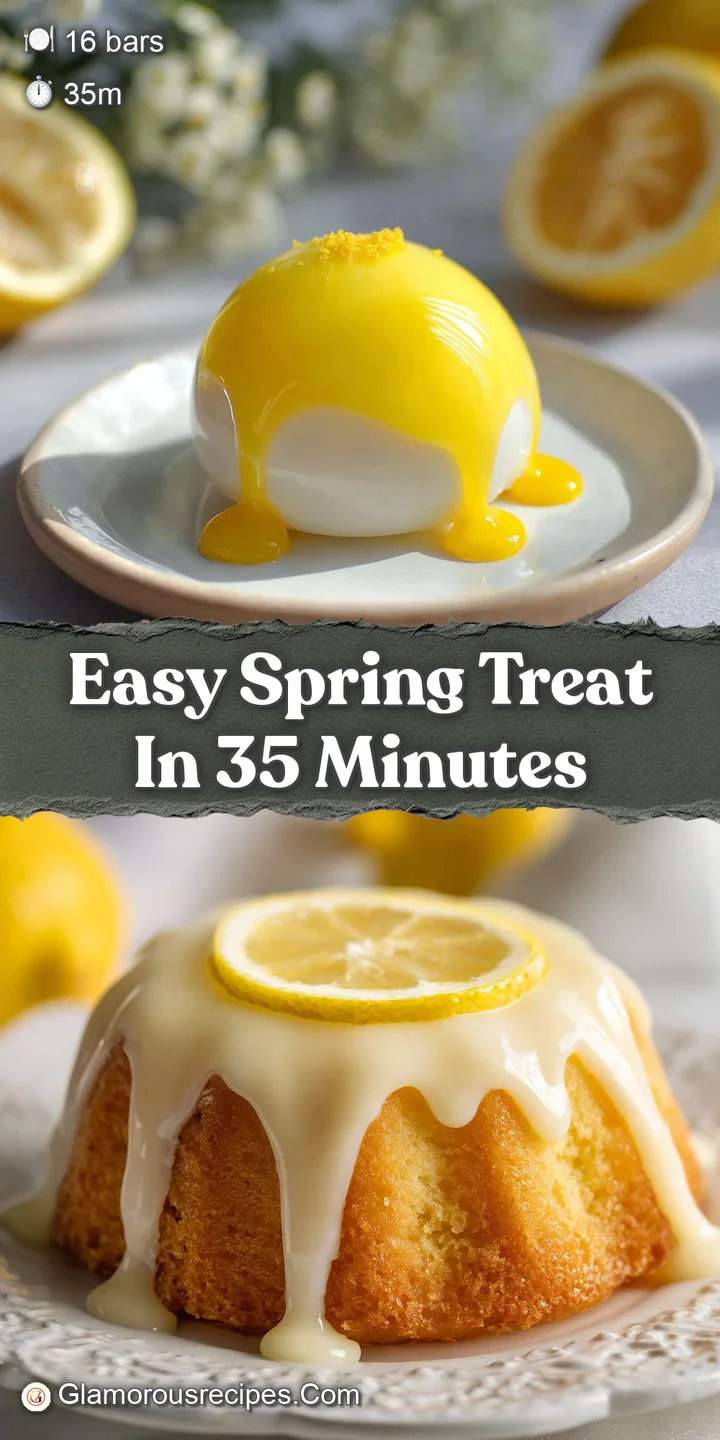
When it comes to presentation, I love focusing on a specific color balance. For these bars, I use three distinct accents: the sun yellow of the fresh zest, the snow white of the glaze, and a small sprig of deep green mint on the serving platter. This creates a visual pop that screams "artisan pastry."
If you are looking for a more pourable accompaniment, similar to the texture of our En Glaze Recipe, you can serve these with a side of vanilla infused cream. They also pair beautifully with a cold glass of milk or a stiff Earl Grey tea.
| Fresh Ingredients | Shortcut Ingredients | Flavor Impact |
|---|---|---|
| Fresh Zest | Lemon Extract | Zest adds floral oils; extract can taste medicinal |
| Hand Squeezed Juice | Bottled Juice | Fresh is bright and tangy; bottled is flat and dull |
| Cultured Butter | Standard Margarine | Cultured butter adds a nutty, rich depth |
If you want a truly crisp experience, serve these chilled. The cold firms up the 170g of butter in the base, giving it a much more pronounced "snap" when you bite into it. If you prefer a melt in-your mouth feel, room temperature is the way to go. Either way, these are the quintessential spring dessert.
Recipe FAQs
What to do with lemon glaze besides drizzling on bars?
Yes, use it to coat scones or pound cake. The key to a stable glaze is ensuring the confectioners’ sugar is sifted and the liquid is added very slowly until it achieves a thick, velvety consistency.
What easy desserts can I make with lemons besides standard lemon bars?
Make small curd tarts or use the zest to infuse sugar for shortbread. Infusing the sugar with zest by rubbing releases the oils mechanically, giving you deep flavor without adding extra liquid.
What is an oddly good lemon dessert combination?
Lemon pairs surprisingly well with earthy herbs like thyme or rosemary. If you enjoyed balancing the sharp acidity here, apply the same flavor principle to savory dishes, such as our Green Pea Salad recipe where mint brightens the earthy notes.
What flavors pair well with the bright acidity of lemon glaze?
Vanilla, white chocolate, and subtle warming spices like ginger pair best. Rich fats temper the intense sourness, creating a balanced mouthfeel, much like how fats create structure in our Deep Caramel Notes recipe.
How can I achieve the strongest lemon aroma in my baked treat?
Rub the fresh zest vigorously into the granulated sugar first. This friction releases the essential oils, distributing the flavor deep into the fat before baking, which is far superior to using extract alone.
Is it true I must chill the dough before baking shortbread bars?
No, this is a common misconception for this specific recipe. Chilling is for cookies that rely on spread control; for a dense shortbread base, slightly chilled or cool butter works best to create the necessary steam pockets.
How to get a smooth, non-crackled lemon glaze finish?
Pour the glaze over the base when it is merely warm, not hot. If the base is too hot, the sugar melts completely into the shortbread; if it is too cold, the glaze cracks when you try to spread it.
Easy Lemon Glaze Shortbread
Ingredients:
Instructions:
Nutrition Facts:
| Calories | 172 kcal |
|---|---|
| Protein | 1.2 g |
| Fat | 8.7 g |
| Carbs | 22.5 g |
| Fiber | 0.3 g |
| Sugar | 13.7 g |
| Sodium | 37 mg |
