Daniel Fast Food Recipe with Roasted Vegetables
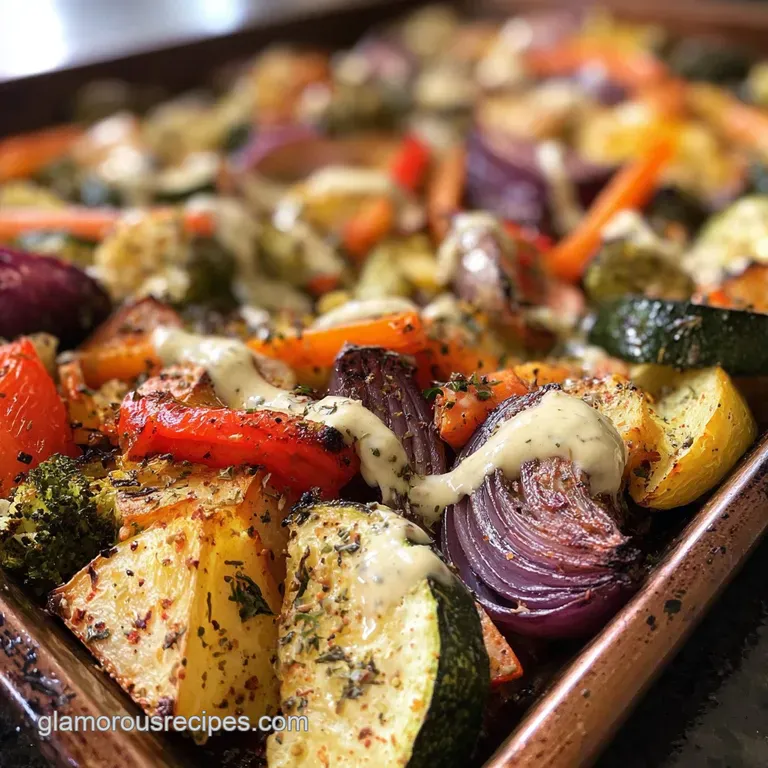
- Time: Active 15 minutes, Passive 25 minutes, Total 40 minutes
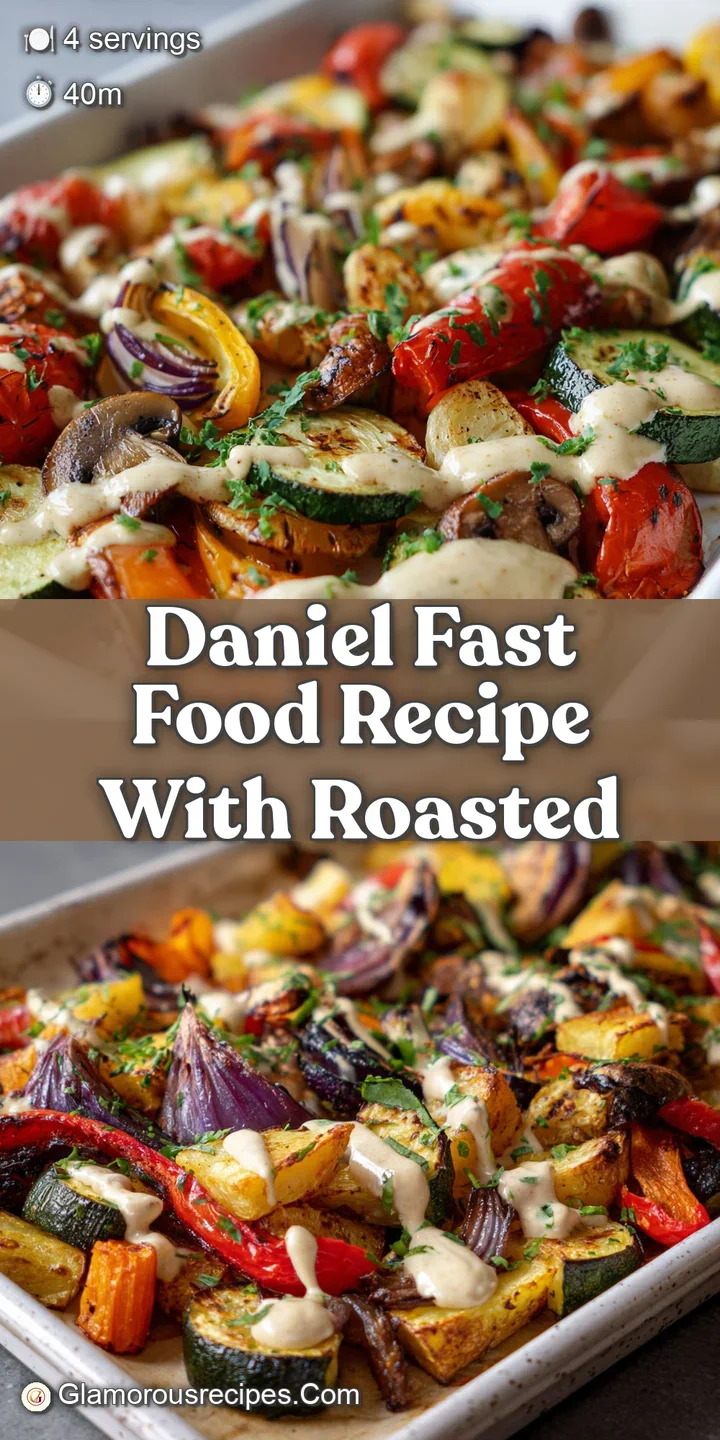
- Flavor/Texture Hook: Smoky, charred edges with a velvety, zesty tahini finish
- Perfect for: Weeknight family dinners or nutrient dense meal prep
- Effortless Sheet Pan Daniel Fast Food Recipe with Roasted Veggies
- The Science of High Heat Caramelization
- Critical Benchmarks for Your Roasted Bowl
- Real Food Staples for Your Sheet Pan
- Simple Tools for Maximum Kitchen Efficiency
- Assembling Your Nutrient Dense Plant Power Bowl
- Solving Texture Issues and Flavor Gaps
- Budget Friendly Adaptations for Every Season
- Cooking Real Food: Truths and Realities
- Maximizing Freshness Through Smart Storage Methods
- Creative Serving Ideas for Busy Families
- Recipe FAQs
- 📝 Recipe Card
Effortless Sheet Pan Daniel Fast Food Recipe with Roasted Veggies
That first sizzle when you slide a tray of spiced vegetables into a screaming hot oven is one of my favorite kitchen sounds. If you've ever felt like plant based eating is just a pile of bland, soggy greens, this recipe is about to change your perspective.
We are leaning into the natural sugars of sweet potatoes and the earthy crunch of chickpeas to create something that feels like a treat rather than a restriction.
This Daniel Fast food recipe with roasted vegetables offers a satisfying and flavorful meal. I remember the first time I tried a 21 day fast; I spent way too much time eating cold salads and feeling constantly hungry. Then I learned the "sheet pan secret," and honestly, I never looked back.
It's about getting that perfect char on the broccoli while the sweet potatoes turn into buttery nuggets of gold.
We're keeping things budget smart by using pantry staples like canned chickpeas and onions, but we're treating them with chef level respect. Whether you're in the middle of a fast or just trying to get more real food onto your family's plates, this method is a winner.
Let's get into how we make these basic ingredients taste like a gourmet bowl.
The Science of High Heat Caramelization
Understanding what happens inside that oven helps you avoid the dreaded "mushy veggie" syndrome. When we roast at 425°F, we aren't just heating food; we are triggering complex chemical shifts that create deep flavor.
- Maillard Reaction: This occurs when heat reorganizes amino acids and sugars, creating that savory, browned crust on the sweet potatoes and peppers.
- Hygroscopic Evaporation: High heat pulls moisture out of the chickpeas, allowing the exterior to shatter with a crisp crunch while the inside stays tender.
- Starch Gelatinization: The internal starches in the sweet potatoes swell and break down, resulting in a velvety, mouth coating texture.
- Emulsification Stability: Mixing tahini with lemon juice and water creates a stable fat in-water emulsion that stays creamy rather than separating.
Critical Benchmarks for Your Roasted Bowl
Precision is the difference between a soggy mess and a vibrant meal. I've found that if you cut your sweet potatoes too large, they won't soften by the time the broccoli starts to burn. Keep these three specific checkpoints in mind while you prep.
- Temperature: Ensure your oven is fully preheated to 425°F before the tray goes in.
- Size: Dice your sweet potatoes into exactly 1/2 inch cubes for even cooking.
- Moisture: Canned chickpeas must be bone dry to the touch before you add the oil.
| Element | Fresh Choice | Shortcut Option | Outcome |
|---|---|---|---|
| Sweet Potatoes | Whole organic tubers | Pre cubed produce bags | Pre cubed saves 10 mins but can dry out faster in the heat |
| Chickpeas | Dried & soaked overnight | Canned & rinsed | Canned is much faster and yields a softer, creamier interior |
| Garlic | Freshly grated clove | Jarred minced garlic | Fresh has a sharper, more vibrant bite in the sauce |
Using fresh ingredients usually yields the best results, but if you're a busy parent, those pre cut sweet potatoes are a total lifesaver. Just keep an eye on them, as they sometimes have more surface area and can brown quicker than the ones you chop yourself.
Real Food Staples for Your Sheet Pan
You don't need a massive budget to make this taste incredible. We are using 2 large Sweet potatoes as our base because they provide that heavy, filling starch that keeps you full for hours.
The head of Broccoli adds much needed texture, while the Red bell pepper and Red onion bring a natural sweetness once they hit the heat.
For the protein punch, we're using 1 can (15 oz) of Chickpeas. Please, don't skip the step of patting them dry! The seasonings are simple: 1 tsp Smoked paprika, 1 tsp Garlic powder, 1/2 tsp Ground cumin, 1/2 tsp Sea salt, and 1/4 tsp Cracked black pepper.
These are tossed in 3 tbsp Extra virgin olive oil to ensure everything roasts rather than steams.
The "liquid gold" sauce is a mix of 1/4 cup Raw tahini, 2 tbsp Freshly squeezed lemon juice, 1 grated Garlic clove, and 3 tbsp Warm water. Why this? Tahini provides healthy fats and a creamy texture without using any dairy products. If you are looking for more variety during your 21 day journey, this Daniel Fast Recipe adds a great protein boost with quinoa.
Simple Tools for Maximum Kitchen Efficiency
You don't need fancy gadgets, but a few specific items make this much easier. I always suggest using a heavy duty rimmed baking sheet (like a Nordic Ware half sheet). The weight of the pan helps distribute heat evenly so you don't end up with one corner of burnt onions and another of raw potatoes.
A good sharp chef's knife is non negotiable for dicing those sweet potatoes safely. Also, grab a large mixing bowl to toss everything together before it hits the tray. I used to try seasoning directly on the pan to save a dish, but trust me, you'll never get the oil and spices distributed evenly that way.
Finish it off with a small whisk or even just a fork to get that tahini sauce perfectly smooth.
Assembling Your Nutrient Dense Plant Power Bowl
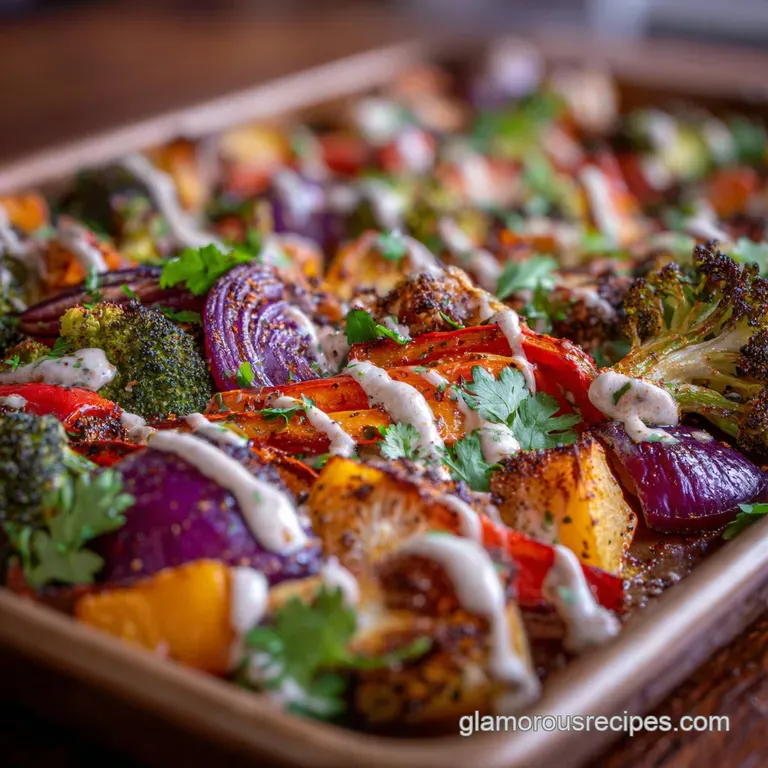
Right then, let's get cooking. This process is all about timing and pan space.
- Preheat the oven. Set it to 425°F and make sure your rack is in the center position. Note: A hot oven is the only way to get those crispy, charred edges we love.
- Prep the sweet potatoes. Peel and dice them into 1/2 inch cubes. Check they are uniform so they cook at the same rate.
- Wash and dry the veggies. Cut the broccoli into small florets and thickly slice the red pepper and onion.
- Dry the chickpeas. After rinsing, roll them between two paper towels until they are bone dry and the skins start to feel papery.
- Season the mix. In a large bowl, toss the potatoes, broccoli, peppers, onions, and chickpeas with the olive oil and all the dry spices.
- Arrange the tray. Spread everything onto the baking sheet in a single layer. Ensure no veggies are overlapping or they will steam instead of roast.
- Roast the batch. Bake for 25 minutes until the sweet potatoes are tender and the broccoli tips are charred.
- Whisk the sauce. While the veggies roast, combine the tahini, lemon juice, and grated garlic.
- Thin the dressing. Slowly add warm water one tablespoon at a time until it reaches a pourable, velvety consistency.
- Final assembly. Drizzle the sauce generously over the hot vegetables and serve immediately while the textures are at their peak.
Solving Texture Issues and Flavor Gaps
The biggest mistake I see people make is crowding the pan. If you have too many vegetables for one tray, use two! If they are piled on top of each other, the moisture escaping the vegetables gets trapped, and you end up with a soggy pile.
To Fix "Soggy Veggie" Syndrome
This usually happens because of pan crowding or low heat. If your veggies look wet at the 20 minute mark, turn the oven up to 450°F for the last 5 minutes. This gives them a quick blast of heat to evaporate that lingering surface moisture.
To Prevent Bitter Tahini
Some tahini brands can be quite bitter. If your sauce tastes off, it’s usually the tahini itself or you’ve used too much garlic. A tiny splash of warm water and an extra squeeze of lemon juice can often balance out that bitterness without needing any forbidden sweeteners.
| Problem | Root Cause | Solution |
|---|---|---|
| Vegetables are steaming | Pan is overcrowded | Use two sheets or roast in batches to allow for proper airflow |
| Tahini sauce is lumpy | Water added too fast | Whisk in warm water one tablespoon at a time to slowly emulsify |
| Chickpeas are soft | Not dried enough | Pat chickpeas with a paper towel until bone dry before adding oil |
For those who enjoy a deeper, heartier flavor profile, I often recommend my Savory & Tender recipe which uses similar root vegetables but focuses on a different spice blend. It's a great way to keep your palate interested if you're doing a full 21 day fast.
Budget Friendly Adaptations for Every Season
One of the best things about this food recipe with roasted vegetables is how adaptable it is. If sweet potatoes are expensive, you can easily swap them for whatever is on sale in the produce aisle. The goal is to keep the starch to veg ratio similar so the meal stays filling.
| Original Ingredient | Substitute | Why It Works |
|---|---|---|
| Raw tahini | Sunflower seed butter | Similar fat content. Note: Adds a more toasted, nutty flavor profile |
| Smoked paprika | Chili powder | Provides base heat and color. Note: Lacks the signature woody smoke aroma |
| Sweet potatoes | Butternut squash | Similar starch levels and natural sweetness. Note: Squash is slightly more watery |
For a Protein Packed Morning
Who says roasted veggies are just for dinner? I love reheating these leftovers in a skillet and serving them as a "breakfast hash." The chickpeas get even crispier the second time around, and it's a great way to start the day with fiber instead of sugar.
Cooking Real Food: Truths and Realities
There are a lot of misconceptions about roasting vegetables that might be holding you back from getting the best results. Let's clear some of those up so you can roast like a pro.
One common thought is that you need to soak sweet potatoes in water to make them crispy. In reality, soaking is for deep frying. For roasting, you want the potatoes as dry as possible so the oil can immediately start the browning process. Adding water only creates steam, which is the enemy of a good char.
Another myth is that you should salt the vegetables hours in advance. Salt actually draws moisture out of vegetables through osmosis. If you salt them too early, they will sit in a puddle of their own juice on the tray. It’s always best to season and oil them immediately before they go into the oven.
Maximizing Freshness Through Smart Storage Methods
If you're cooking for a busy family, meal prepping this recipe with roasted vegetables is a smart move. I usually double the batch on Sundays.
- Storage: Store the roasted vegetables in an airtight glass container in the fridge for up to 4 days. Keep the tahini sauce in a separate small jar; it will thicken in the fridge, so you might need to stir in a teaspoon of warm water before serving.
- Freezing: I don't recommend freezing the roasted vegetables as they become quite mushy upon thawing. However, you can freeze the chickpeas and sweet potatoes if they are blanched first, but for this specific roasted texture, fresh is best.
- Zero Waste: Don't throw away those broccoli stems! Peel the tough outer skin, dice the tender inner core, and toss it right on the tray with the florets. They have a lovely, mild flavor and add great bulk to the meal.
Creative Serving Ideas for Busy Families
When you're ready to eat, don't just dump this on a plate. Presentation matters, especially when you're eating "fast food" like this. I like to layer a big scoop of the roasted mix over a bed of fresh baby spinach.
The heat from the veggies wilts the spinach just enough to make it tender without turning it into a soggy mess.
- If you want extra crunch, toss some toasted pumpkin seeds or slivered almonds on top right before serving.
- If you want a thinner sauce, whisk in an extra tablespoon of lemon juice for a tangier kick.
- If you want more heat, add a pinch of red pepper flakes to the spice rub before roasting.
This recipe with roasted vegetables is a testament to the fact that healthy eating doesn't have to be complicated or expensive. By focusing on a few key techniques like drying your chickpeas and giving your veggies space to breathe you can turn a few dollars worth of produce into a meal that feels truly special.
Trust me, once you taste that smoky tahini drizzle over a charred sweet potato, you won't even miss the processed stuff. Happy roasting!
Recipe FAQs
Can I eat cooked vegetables on a Daniel Fast?
Yes, cooked vegetables are encouraged. The Daniel Fast emphasizes whole, unprocessed foods, and cooking methods like roasting enhance their natural sweetness and texture, making them more satisfying.
What vegetables did Daniel eat on his fast?
Daniel primarily ate vegetables and pulses. This includes items like beans, lentils, root vegetables (like carrots and potatoes), leafy greens, and cruciferous vegetables (like broccoli), prepared simply.
Can I eat veggie chunks on Daniel Fast?
Yes, "veggie chunks" like those in our roasted recipe are perfect. As long as they are whole, unprocessed vegetables seasoned with natural spices and roasted, they are compliant with the Daniel Fast principles.
What fast food can I have on Daniel Fast?
Focus on whole, unprocessed options that resemble fast food in convenience, not in ingredients. Think simple roasted vegetables, lentil soups, or homemade hummus with raw veggie sticks.
How do I achieve crispy chickpeas for my Daniel Fast recipe?
Pat them completely dry before oiling. Moisture is the enemy of crispiness; using paper towels to remove all surface water allows the chickpeas to roast rather than steam, leading to a delightful crunch.
Is it true that I must use only raw vegetables on a Daniel Fast?
No, this is a common misconception. While raw vegetables are fine, cooked preparations like roasting are highly encouraged as they concentrate flavors and make vegetables more digestible and satisfying, crucial for a fast.
How can I add flavor to Daniel Fast roasted vegetables without forbidden ingredients?
Utilize a blend of natural spices and herbs. Smoked paprika, garlic powder, cumin, sea salt, and black pepper work wonders, as seen in our recipe, transforming simple veggies into something truly delicious.
Daniel Fast Roasted Vegetables 2
Ingredients:
Instructions:
Nutrition Facts:
| Calories | 477 calories |
|---|---|
| Protein | 14.3 g |
| Fat | 19.2 g |
| Carbs | 58.4 g |
| Fiber | 14.1 g |
| Sugar | 9.2 g |
| Sodium | 385 mg |
