Southern Fried Pickles: Crispy and Tangy
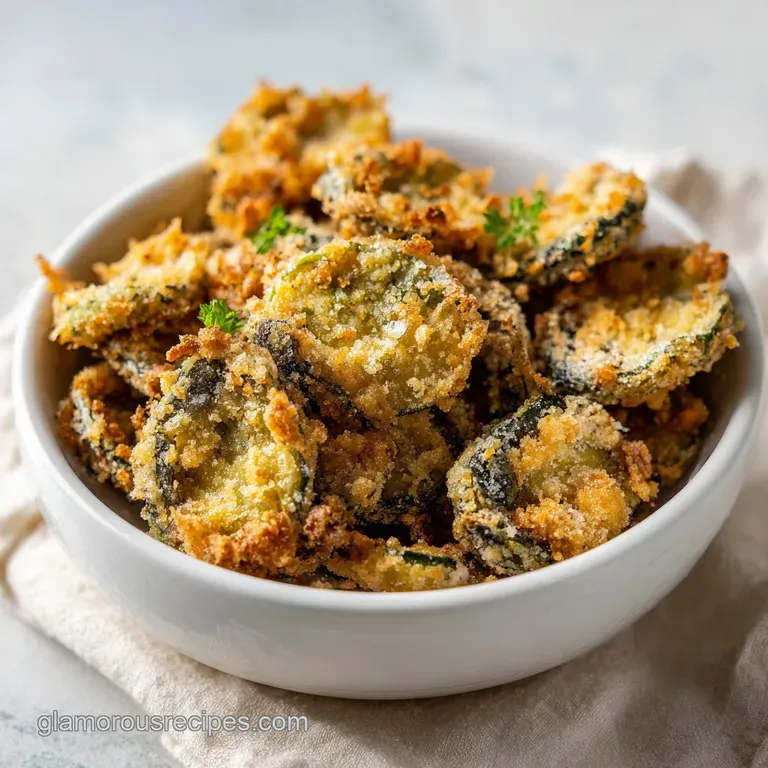
- Time: Active 15 minutes, Passive 10 minutes, Total 25 minutes
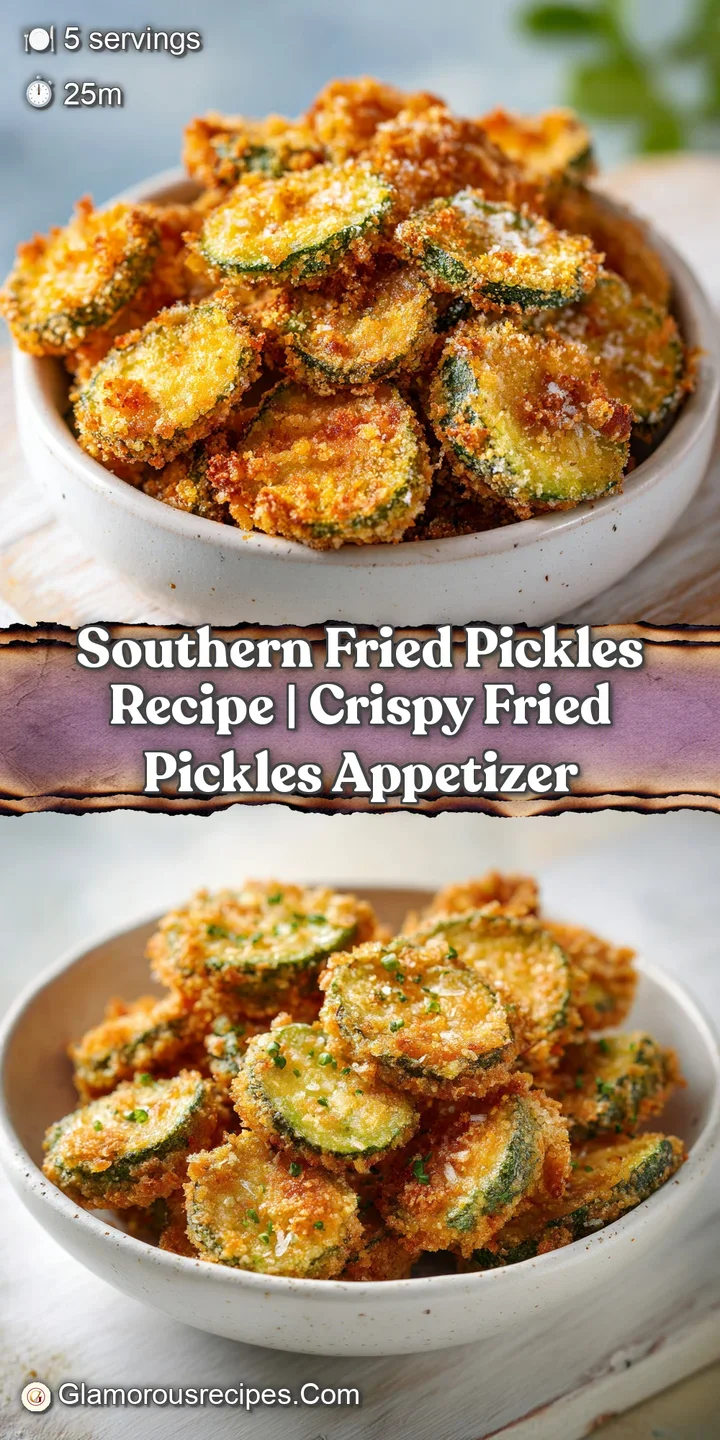
- Flavor/Texture Hook: Shatter crisp exterior with a juicy, tangy center
- Perfect for: Game day snacks, Sunday dinners, or a southern themed party
- Create the Ultimate Southern Fried Pickles Recipe
- Secrets to Shatteringly Crisp Coating
- Cooking Specs and Timing Details
- The Essential Components of Flavor
- Recommended Tools for Deep Frying
- The Step by Step Guide
- Fixing Your Most Common Mistakes
- Creative Ways to Customize Flavors
- Best Storage and Reheating Methods
- Perfect Sides and Dipping Options
- Myths About Frying Pickles
- CRITICAL Sodium Alert!
- FAQ
- Troubleshooting Common Issues
- Recipe FAQs
- 📝 Recipe Card
Create the Ultimate Southern Fried Pickles Recipe
The first time I really understood the power of a fried pickles recipe, I was sitting on a porch in South Carolina during a humid Sunday afternoon. The air was thick with the scent of jasmine and woodsmoke, but nothing compared to the sharp, vinegary aroma of pickles hitting hot oil in a heavy cast iron skillet.
It wasn't just a snack; it was a sacred ritual of Southern hospitality. I watched my aunt carefully pat every single pickle chip until it was bone dry, a step I used to think was optional. It’s not. That sensory memory of the loud, crackling sizzle as the batter expanded is exactly what we are aiming for today.
We are looking for that specific moment where the coating shatters between your teeth while the pickle inside remains juicy but not watery. Most people struggle with the breading falling off in one sad, soggy sheet, but we’ve fixed that.
By building layers of flavor from the smoky paprika in the flour to the spicy kick of hot sauce in the buttermilk this dish becomes much more than just a deep fried vegetable. It’s a study in contrasts: hot and cold, crunchy and soft, salty and spicy.
Trust me, once you hear that first crunch, there’s no going back to the store-bought frozen versions.
This guide is designed to take you through the specific mechanics of why this works. We aren't just tossing things in a pan; we are managing moisture and heat to create a structural masterpiece.
Whether you are serving these at a family gathering or just looking for a way to use that extra jar of dills in the fridge, the result is the same: a bowl that empties in seconds. Let's talk about how to get that golden brown finish that stays crispy long after it leaves the oil.
Secrets to Shatteringly Crisp Coating
Moisture Extraction: Removing surface brine prevents steam from trapped between the pickle and the batter, which is the main reason coating slides off.
The Starch Primer: Cornstarch acts as a microscopic glue, filling in the ridges of the pickle chip to create a smooth, dry surface for the wet batter to grab onto.
The Hybrid Crust: Using both cornmeal and panko provides two different scales of crunch, with the cornmeal offering a dense grit and the panko providing airy, delicate shards.
Acidic Binding: The vinegar in the hot sauce and the lactic acid in the buttermilk slightly denature the egg proteins, creating a stronger, more flexible "glue" for the final crumbs.
Thermal Shock: Using ice cold buttermilk against the 375°F (190°C) oil creates an immediate steam release that puffs the breading away from the pickle slightly, ensuring it doesn't turn into a leaden dough.
| Thickness | Internal Temp | Rest Time | Visual Cue |
|---|---|---|---|
| 3 mm (Thin) | 190°F (88°C) | 2 mins | Pale gold, very stiff |
| 6 mm (Standard) | 190°F (88°C) | 3 mins | Deep golden, bubbling slows |
| 10 mm (Spears) | 190°F (88°C) | 5 mins | Dark bronze, feels heavy |
When you are deciding on your frying method, remember that the thickness of the pickle dictates your heat management. A thinner chip fries fast and stays incredibly crisp, but you risk overcooking the pickle inside until it loses its snap.
The standard 6 mm chip is our sweet spot for this fried pickles recipe because it allows the breading to brown perfectly at the same rate the pickle warms through.
Cooking Specs and Timing Details
Success in the kitchen often comes down to the numbers, and this recipe is no different. We are looking at a very tight window of 15 minutes for prep and exactly 10 minutes of cook time.
If you go over that 10 minute mark, you’re likely overcrowding the pan, which drops the oil temperature and leads to the dreaded oil soaked sponge texture. Keeping your batches small about 6 to 8 chips at a time is the secret to maintaining that 375°F (190°C) sweet spot.
| Component | Science Role | Pro Secret |
|---|---|---|
| Cornstarch | Moisture Barrier | Toss twice for a thicker "skin" |
| Buttermilk | Protein Binder | Keep it cold from the fridge until the last second |
| Cornmeal | Structural Grit | Use fine ground to avoid a "sandy" mouthfeel |
| Panko | Aeration | Crush it slightly so it sticks to small corners |
Getting the oil to the right temperature is non negotiable. If you don't have a thermometer, drop a small pinch of flour into the oil. If it sizzles instantly and stays on the surface, you're ready. If it sinks, wait another two minutes.
This fried pickles recipe relies on that initial heat to "set" the crust before the juice from the pickle can soak through the breading.
The Essential Components of Flavor
Every ingredient here serves a structural or flavor based purpose. We start with 16 oz of dill pickle chips. Look for the "hamburger starter" style chips because they usually have deeper ridges which help the cornstarch stick. If you're hosting a larger crowd, this snack pairs wonderfully with other Southern staples. For instance, this salty crunch balances the richness of a Fried Turkey Breast Recipe perfectly during a holiday feast.
For the dry dredge, we use 0.5 cup of all purpose flour mixed with 0.5 cup of fine ground yellow cornmeal. The cornmeal is a nod to our Southern roots; it adds a flavor profile that flour alone simply cannot match.
Then we have the spices: 1 tsp smoked paprika, 0.5 tsp cayenne pepper, 0.5 tsp garlic powder, and 0.5 tsp onion powder. This isn't just about heat; the paprika adds a subtle earthiness that mimics a wood fired grill.
The wet bind consists of 0.5 cup cold buttermilk, 1 large egg, and 1 tbsp hot sauce. The hot sauce adds acidity, which brightens the heavy fried flavors. Finally, we use 1 cup of panko breadcrumbs, lightly crushed.
Crushing them slightly is a trick I learned the hard way whole panko flakes are sometimes too big to adhere to the curved edges of a pickle chip.
- 16 oz dill pickle chips Why this? Chips provide the highest surface area to crunch ratio compared to spears.
- Substitute: Sliced pickled jalapeños for a spicy "Texas" variation.
- 0.25 cup cornstarch Why this? Creates a dry primer that prevents the batter from sliding off.
- Substitute: Potato starch for an even crispier, glass like finish.
- 0.5 cup all purpose flour Why this? Provides the structural bulk for the breading layer.
- Substitute: Rice flour for a lighter, tempura style texture.
- 0.5 cup fine ground yellow cornmeal Why this? Adds the signature Southern grit and golden color.
- Substitute: Polenta (ground fine) if you want a corn forward flavor.
- 1 tsp smoked paprika Why this? Adds a deep color and a hint of backyard smoke flavor.
- Substitute: Regular sweet paprika if you prefer zero smoke.
- 0.5 cup cold buttermilk Why this? The thick consistency clings to the flour better than regular milk.
- Substitute: Plain yogurt thinned with a splash of pickle brine.
- 1 cup panko breadcrumbs Why this? These large crumbs create pockets of air for maximum crunch.
- Substitute: Crushed saltine crackers for a nostalgic, buttery finish.
Recommended Tools for Deep Frying
You don't need a fancy deep fryer to make this work, but you do need a heavy bottomed vessel. I prefer a 12 inch cast iron skillet or a Dutch oven. These hold heat much better than thin stainless steel pans. When you drop cold pickles into hot oil, the temperature naturally dips.
A heavy pan acts like a battery, storing heat and releasing it steadily so the oil recovers faster.
You’ll also need three shallow bowls for your assembly line. Don't use deep mugs; you need space to move your hands. A wire cooling rack is the most underrated tool in this fried pickles recipe. If you put fried food directly onto paper towels, the bottom side steams and gets soggy within sixty seconds.
Lifting them up on a rack allows air to circulate around the entire chip, keeping the bottom just as shatter crisp as the top.
Finally,, get a spider strainer or a slotted spoon. Tongs are okay, but they can sometimes pinch the breading off the pickle before it's fully set. A spider allows you to lift the chips out gently while letting the excess oil drain back into the pan immediately.
It’s those small details that make the difference between a "good" snack and one people talk about for weeks.
The step-by-step Guide
- Drain the 16 oz of pickles thoroughly and spread them across a double layer of paper towels. Press firmly with more towels until the surface is matte and completely dry. Note: Any moisture left will turn into steam and blow the breading off.
- Dust the dried pickles lightly with 0.25 cup cornstarch and toss to coat thoroughly. This creates a primer for the batter until every ridge is filled with white powder.
- Prepare the assembly line in three bowls: Bowl 1 contains the 0.5 cup flour, 0.5 cup cornmeal, and spices. Bowl 2 contains the whisked 0.5 cup buttermilk, 1 egg, and 1 tbsp hot sauce. Bowl 3 contains the 1 cup crushed panko.
- Heat 2 inches of neutral oil in a heavy skillet to 375°F (190°C). Use a thermometer until the oil ripples and shows tiny heat waves.
- Dip each primed pickle into the spiced flour mix, ensuring no bare spots remain.
- Submerge the floured pickle into the buttermilk mixture until fully coated and dripping slightly.
- Press the pickle firmly into the crushed panko, turning to ensure the crumbs are embedded into the wet batter.
- Fry in small batches for 2 to 3 minutes, flipping once, until deep golden brown and the bubbling subsides. Note: Bubbling indicates moisture leaving; when it slows, the pickle is done.
- Maintain oil temperature above 350°F throughout the process to prevent oil absorption.
- Transfer pickles to a wire cooling rack set over a baking sheet to prevent sogginess. Season with sea salt while the oil is still shimmering on the surface.
Fixing Your Most Common Mistakes
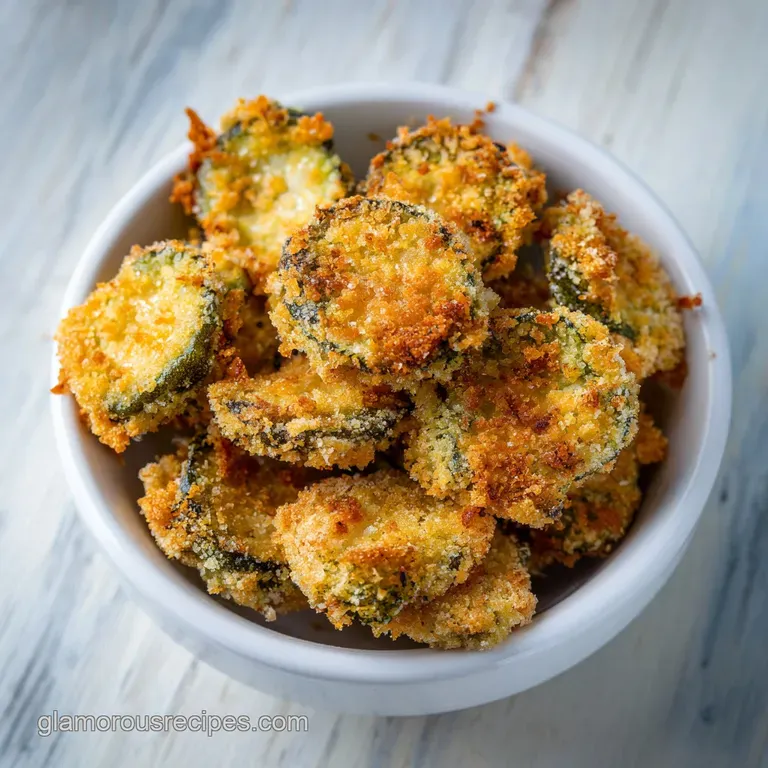
One of the most frustrating things is watching your beautiful breading fall into the oil. This usually happens because the pickle wasn't dry enough. If the "skin" of the pickle is wet, the flour creates a paste that never actually bonds to the fruit.
Think of it like painting a damp wall it’s going to peel. Always double check that your pickles are matte, not shiny, before you start the cornstarch step.
Why Is the Coating Sliding Off?
This is almost always a moisture issue or a temperature issue. If the oil isn't hot enough (below 350°F), the batter doesn't "seize" and cook instantly. Instead, it sits and soaks up oil, becoming heavy and sliding right off the slippery pickle skin.
Also, make sure you aren't skipping the cornstarch primer; it's the bridge between the pickle and the flour.
Why Is My Breading Turning Out Soggy?
Sogginess is caused by steam. If you pile the fried pickles on top of each other while they are hot, the heat from the bottom ones steams the ones on top. Always use a wire rack. Another culprit is low oil temperature.
If you add too many pickles at once, the oil temp drops, and the pickles "boil" in oil rather than frying. Work in batches of 6-8 chips max.
| Problem | Root Cause | Solution |
|---|---|---|
| Breading is dark but center is cold | Oil is too hot (>400°F) | Lower heat and use a thermometer |
| Breading is oily/greasy | Oil is too cool (<350°F) | Wait 2 mins between batches for temp recovery |
| Coating is patchy/missing spots | Poor dredging technique | Ensure full coverage in flour before buttermilk |
Common Mistakes Checklist
- ✓ Pat the pickles until they are bone dry (shiny pickles = sliding breading)
- ✓ Preheat the oil for at least 5-8 minutes to ensure even heat distribution
- ✓ Don't overcrowd the pan; leave at least 2 cm of space between each chip
- ✓ Season with salt the second they hit the rack so it sticks to the residual oil
- ✓ Use a wire rack instead of paper towels for the final cooling stage
Creative Ways to Customize Flavors
If you want to take this fried pickles recipe in a different direction, the dredge is where you can have some fun. For a "Texas Heat" version, double the cayenne and add a teaspoon of chili powder to the flour mix.
You can also swap the dill pickles for bread and butter pickles if you enjoy that sweet and salty contrast. The sugar in the bread and butter pickles will caramelize faster, so keep a close eye on the color to avoid burning.
Another trick is the "Everything Bagel" version. Mix a tablespoon of everything bagel seasoning into your panko crumbs. The sesame seeds and dried onion add a massive punch of savory flavor that pairs incredibly well with the tangy dill. If you're looking for a complete appetizer spread, these pickles are a great companion to my Garlic Parmesan Chicken Potatoes, as both use a over high heat method to achieve that satisfying crunch.
| Fresh Pickles | Jarred Pickles | Flavor Impact | Savings |
|---|---|---|---|
| Farmer's Market Fresh | Standard Grocery Brand | Higher snap, less vinegar | Spend $3-4 more |
| Homemade Fridge Pickles | Bulk Gallon Jar | Customizable spice level | Save $5 per gallon |
| Artisan Small Batch | Store Brand Chips | Complex herbs/spices | Spend $6 more |
Chef's Tip
For an extra sturdy crust, put your cornstarch dusted pickles in the freezer for 10 minutes before moving to the flour and buttermilk. This "sets" the primer and makes the pickle surface ice cold, which creates a more dramatic (and crispier) reaction when it hits the hot oil.
Best Storage and Reheating Methods
Fried pickles are notorious for losing their "soul" once they get cold, but you can bring them back to life. Store any leftovers in a single layer in an airtight container lined with a dry paper towel. They will stay safe to eat in the fridge for up to 3 days.
However, do not expect them to be crispy when you pull them out the moisture from the pickle will inevitably migrate into the crust.
To reheat, avoid the microwave at all costs. It will turn your beautiful snack into a rubbery mess. Instead, use an air fryer at 375°F (190°C) for 3 to 4 minutes. This circulates hot air around the chips and re crisps the oil trapped in the breading.
If you don't have an air fryer, a toaster oven or a standard oven at 400°F (200°C) on a wire rack for 5 minutes will do the trick.
For zero waste, don't throw away that leftover pickle brine! Use it to marinate chicken breasts for your next Sunday dinner. The salt and vinegar in the brine act as a natural tenderizer. You can also use any leftover panko flour mixture to bread some zucchini or green beans so nothing goes to waste.
Perfect Sides and Dipping Options
No fried pickles recipe is complete without the right dip. The classic choice is a creamy ranch dressing, but I like to kick it up by adding a teaspoon of the leftover pickle brine and some extra fresh dill to the ranch. It reinforces that tangy flavor profile.
Another great option is a spicy remoulade a mix of mayo, mustard, horseradish, and paprika which lean into those Southern roots we talked about.
If you are serving these as part of a larger meal, think about balance. Since these are salty and fried, they pair well with something fresh and acidic, like a coleslaw with a vinegar based dressing. They also make a killer topping for a backyard burger.
Just imagine a juicy cheeseburger topped with three or four of these shatter crisp pickles; the texture contrast is absolutely brilliant.
When scaling this recipe up for a party, remember that you'll need more oil than you think. As you fry, the panko crumbs will fall off and eventually burn at the bottom of the pan. If you're doing more than 3 batches, use a fine mesh strainer to clear out the burnt bits every so often.
This keeps the oil tasting clean and prevents your pickles from having little black "freckles" of burnt breadcrumbs.
Myths About Frying Pickles
One common myth is that you must use a deep fryer to get a "restaurant quality" result. That's simply not true. A heavy cast iron skillet is actually superior because the shallow oil allows for easier flipping and better temperature monitoring.
The wide surface area also lets steam escape more freely, which is the key to preventing a soggy crust.
Another misconception is that the type of oil doesn't matter. While you can use vegetable oil, peanut oil is the gold standard for Southern frying because of its high smoke point and neutral flavor. Avoid olive oil or butter; they will burn long before the pickles are crispy, leaving you with a bitter, acrid taste.
Stick to neutral oils like canola, grapeseed, or peanut for that clean, golden finish we are looking for.
Finally, some people think you can skip the egg in the batter. While you can use just buttermilk, the egg provides the protein structure needed to hold those heavy panko crumbs in place. Without the egg, the breading is much more likely to flake off during the fry.
It’s a small addition that makes a huge difference in the architectural integrity of your snack. Trust the process, follow the steps, and enjoy the loudest crunch you've ever heard.
CRITICAL Sodium Alert!
1180 mg 1180 mg of sodium (51% 51% of daily value)
The American Heart Association recommends limiting sodium intake to less than 2,300 mg per day, with an ideal limit of less than 1,500 mg per day for most adults.
Tips to Reduce Sodium in Your Pickle Chips
-
Choose Low-Sodium Pickles-25%
The primary source of sodium in this recipe comes from the dill pickle chips. Opt for 'no salt added' or 'low sodium' dill pickle chips. Look for options specifically labeled as such, as they can significantly reduce the overall sodium content.
-
Rinse Pickles Thoroughly-15%
Even with standard dill pickles, you can reduce sodium by rinsing the pickle chips under cold water for at least 30 seconds before patting them dry. This helps wash away some of the briny sodium.
-
Omit Added Salt-10%
The current recipe does not explicitly list added salt, but ensure you are not adding any extra salt to the cornstarch, flour, or cornmeal mixture. The pickles themselves are very salty.
-
Control Hot Sauce Sodium-5%
Many hot sauces contain significant amounts of sodium. Choose a low-sodium or no-sodium hot sauce for the buttermilk mixture, or consider using a small amount of pure cayenne pepper for heat without the sodium.
-
Boost Flavor with Herbs & Spices
While not directly impacting sodium levels, enhancing the flavor profile with fresh herbs like dill, parsley, or chives, and increasing other non-sodium spices like black pepper can make low-sodium versions more satisfying.
FAQ
Troubleshooting Common Issues
| Issue | Solution |
|---|---|
| Make these in an air fryer | Yes, though the texture will be slightly different. Spritz the panko coated pickles generously with oil spray and air fry at 400°F (200°C) for 8 to 10 minutes, flipping halfway through. They won't hav |
| What is the best pickle for frying | Dill pickle chips are the classic choice. Look for "Extra Crunchy" or "Zesty" varieties. Avoid very sweet bread and butter pickles unless you specifically want that flavor profile, as the high sugar c |
| Oil smoking | If your oil is smoking, it has surpassed its "smoke point." This usually happens if the heat is too high or if you are using an oil with a low smoke point like butter or unrefined coconut oil. Immedia |
| Keep the breading from falling off | The two step "dry wet-dry" method is the secret. The cornstarch layer must be completely dry before it hits the buttermilk. If you see "wet spots" on the flour before you dip it into the liquid, you h |
| Use pickle spears instead of chips | Absolutely. Just be aware that spears take longer to cook usually 4 to 5 minutes and require a deeper level of oil to ensure they are submerged properly. They are a bit harder to bread evenly, so take |
| Possible to make these gluten-free | Yes. Substitute the all purpose flour with a 1:1 gluten-free flour blend and use gluten-free panko or crushed cornflakes for the final layer. The cornmeal is naturally gluten-free, so no changes are n |
Recipe FAQs
What are the ingredients in fried pickles?
The core ingredients include dill pickle chips, cornstarch, all-purpose flour, cornmeal, and panko breadcrumbs. Seasoning is provided by smoked paprika, cayenne pepper, garlic powder, and onion powder, while the wet coating uses cold buttermilk, a large egg, and hot sauce.
Is it true there is a specific 3-2-1 rule for pickle frying?
No, this is a common misconception. There is no standard culinary ratio by that name for this dish; consistent results depend entirely on the three bowl dredging station: flour mix, buttermilk mixture, and crushed panko.
What kind of breading is used for fried pickles?
Use a combination of flour, cornmeal, and crushed panko for the best texture. This specific triple layer approach creates a durable, crispy shell that holds up well when pan-searing or frying, similar to how we achieve the perfect crust on our crispy baked wings.
How to get batter to stick to pickles?
Pat the pickles until they are bone dry using paper towels before starting. Any surface moisture will cause the breading to slide off, so ensure the surface is matte and fully primed with cornstarch before dipping into the wet mixture.
How to prevent the breading from becoming soggy?
Transfer the finished pickles to a wire cooling rack rather than a plate or paper towels. Using a rack allows air to circulate underneath the pickles, keeping the crust crisp while they drain.
Is it necessary to use a thermometer for the oil?
Yes, maintaining an oil temperature of 375°F is essential. Dropping the temperature below 350°F during the frying process will result in greasy, heavy breading rather than a light, crunchy finish.
How to avoid overcrowding the pan?
Fry in small batches, ensuring at least 2 cm of space between each pickle chip. Crowding the skillet causes the oil temperature to plummet, which ruins the texture and prevents the breading from sealing properly.
Crispy Southern Fried Pickles
Ingredients:
Instructions:
Nutrition Facts:
| Calories | 282 kcal |
|---|---|
| Protein | 6.2 g |
| Fat | 11.6 g |
| Carbs | 37.4 g |
| Fiber | 2.1 g |
| Sugar | 2.3 g |
| Sodium | 1180 mg |
