Air Fryer Potato Wedges: Shatter-Crisp and Fluffy
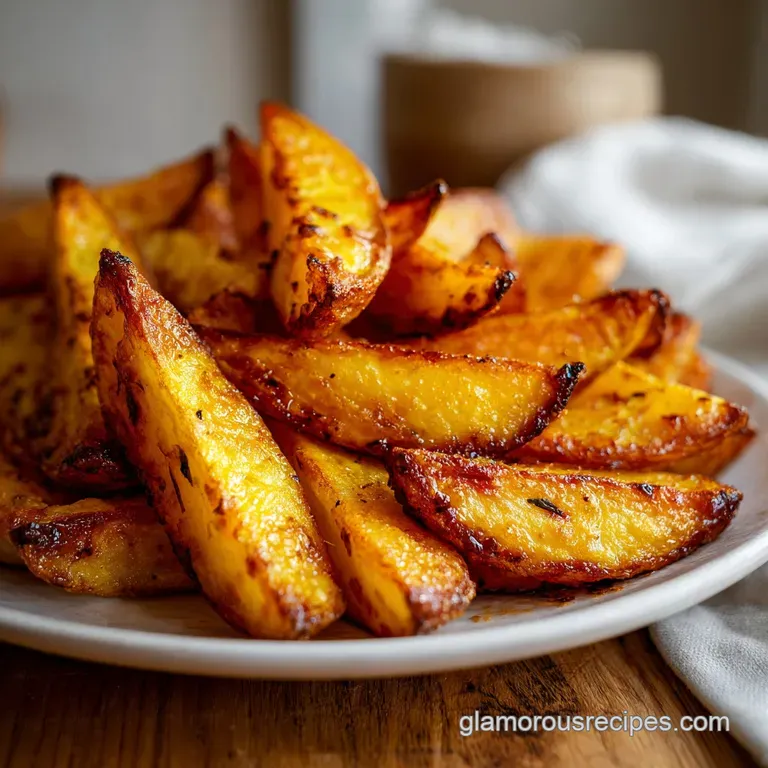
- Time: Active 10 minutes, Passive 20 minutes, Total 30 minutes
- Flavor/Texture Hook: Shatter crisp crust with a buttery, velvety center
- Perfect for: Sunday dinners, game day snacks, or a quick weeknight side
- Perfect Air Fryer Potato Wedges Every Time
- Why Most Recipes Get It Wrong
- Essential Specs for Crisp Results
- Gathering Your Quality Ingredients
- Tools for the Ultimate Crunch
- Step-by-Step Cooking Process
- Troubleshooting Your Spud Troubles
- Creative Swaps and Flavor Twists
- Guide to Storage and Reheating
- Classic Pairing Ideas
- Debunking Spud Myths
- Recipe FAQs
- 📝 Recipe Card
Perfect Air Fryer Potato Wedges Every Time
Forget everything you think you know about making crispy potatoes at home. Most people will tell you that the secret is a long soak in ice water or using a gallon of oil, but honestly, that’s just not the case for the modern home cook.
I used to spend hours hovering over a bubbling pot of oil on Sunday afternoons, trying to recreate that sacred pub style crunch for our family gatherings. It was messy, smelled like a fast food joint for three days, and the results were usually hit or-miss.
One Sunday, I decided to skip the deep fryer entirely and lean into the convection power of the air fryer. I realized that the real enemy of a good wedge isn't a lack of oil; it's excess moisture trapped where it doesn't belong. We want that potato to release its steam so the outside can harden into a golden shell.
If you leave them damp, they just steam themselves into a sad, limp pile of mush.
This recipe is about reclaiming your Sunday dinner without the grease splattered stovetop. We’re talking about a side dish that has a presence, something that feels substantial and comforting. It’s the kind of food that brings people to the kitchen island before the main course is even ready.
Let’s get into why this specific method works so much better than the standard "toss and hope" approach.
Why Most Recipes Get It Wrong
The biggest mistake I see folks making with Air Fryer Potato Wedges is treated them like oven-roasted potatoes. They aren't the same. An air fryer is essentially a high powered wind machine. If your seasoning is too wet, it won't crisp; it’ll just form a gummy layer.
If it's too dry, the spices will blow off the potato and burn on the bottom of the basket.
- Starch Suspension: Coating the spuds in a thin layer of cornstarch creates a secondary "skin" that dehydrates rapidly in the hot air.
- Aggressive Desiccation: Patting the potatoes dry until the paper towel literally sticks to them is what allows the oil to actually bond with the surface.
- Surface Tension: By rinsing the exterior starch and then replacing it with cornstarch, we control the Maillard reaction for a deeper gold color without the bitter burnt taste.
- Heat Gap: Leaving space between each wedge ensures the "wind" can hit all sides, creating a 360 degree crunch rather than a soft spot where they touch.
| Thickness | Internal Temp | Rest Time | Visual Cue |
|---|---|---|---|
| 1.5 cm | 96°C | 2 mins | Edges turn deep mahogany |
| 2.5 cm | 98°C | 3 mins | Skin looks blistered/puffy |
| 3.0 cm | 99°C | 5 mins | Center yields to a toothpick |
The internal temperature is actually quite important here. If you pull them too early, the starches haven't fully gelatinized into that velvety texture we love. Waiting for that "blistered" look on the skin is your best visual indicator that the moisture has escaped and the crunch has set.
Essential Specs for Crisp Results
When we look at the components of this dish, it's really a study in textures. You have the structural integrity of the Russet, the adhesive quality of the olive oil, and the catalytic power of the cornstarch. If any one of these is out of balance, the whole thing falls apart.
I've tried this with Yukon Golds, and while they taste buttery, they never get that "shatter" factor that a high starch Russet provides.
| Ingredient | Science Role | Pro Secret |
|---|---|---|
| Russet Potatoes | High starch content | Keeps the center fluffy while the skin crisps |
| Cornstarch | Moisture absorber | Creates a micro thin, crunchy barrier |
| Smoked Paprika | Sugar caramelization | Adds color and a hint of wood fired aroma |
Choosing the right potato is the hill I will die on. You need 4 large Russet potatoes, which should weigh about 800g total. Anything less and they cook too fast; anything more and you'll overcrowd your basket. If you're looking for another spud heavy side that uses a different technique, you've got to try my Air Fryer Baked Potato. It's a completely different vibe but just as satisfying.
Gathering Your Quality Ingredients
You don't need a pantry full of exotic items for this. Most of these are likely sitting in your spice drawer right now, just waiting to be put to work. The key is the quality of the spices.
If your garlic powder has been sitting there since the last eclipse, it won't have that pungent aroma we need to cut through the richness of the potato.
- 4 large Russet potatoes (approx. 800g): Why this? High starch is non negotiable for a fluffy interior and crisp exterior.
- Substitute: King Edward potatoes or any floury variety will work.
- 2 tbsp extra virgin olive oil: Why this? Acts as the heat conductor and glue for our spice blend.
- Substitute: Avocado oil (higher smoke point, less flavor).
- 1 tbsp cornstarch: Why this? The secret to that professional, restaurant style "crunch" sound.
- Substitute: Potato starch or arrowroot powder.
- 1 tsp smoked paprika: Why this? Provides a deep, earthy color and subtle sweetness.
- Substitute: Sweet paprika for less smoke, or chili powder for heat.
- 1 tsp garlic powder: Why this? Distributes flavor more evenly than fresh garlic in over high heat air.
- Substitute: Onion powder (doubled) if garlic sensitive.
- 1/2 tsp onion powder: Why this? Adds a savory, "allium" depth that rounds out the salt.
- Substitute: Celery salt (reduce kosher salt if using).
- 1 tsp kosher salt: Why this? Larger grains provide a better "pop" of flavor on the tongue.
- Substitute: Sea salt or table salt (use 1/2 tsp for table salt).
- 1/2 tsp cracked black pepper: Why this? Provides a tiny bit of back of-the throat heat.
- Substitute: White pepper for a more subtle, floral spice.
- 1/4 cup finely grated Parmesan cheese: Why this? Adds a salty, nutty umami finish as it melts.
- Substitute: Nutritional yeast for a dairy-free, savory kick.
- 1 tbsp fresh parsley, minced: Why this? Cuts through the fat with a bright, herbaceous note.
- Substitute: Fresh chives or cilantro.
Tools for the Ultimate Crunch
You don't need a commercial kitchen, but a few specific tools make this a whole lot easier. First and foremost is a good, sharp chef's knife. Russets are dense, and trying to hack through them with a dull blade is a recipe for uneven wedges (and a trip to the ER).
You want those wedges uniform so they all finish at the same time.
A large stainless steel mixing bowl is also your friend here. You need enough room to toss the potatoes vigorously. We're not just stirring; we're essentially "massaging" the oil and cornstarch into the surface of the potato.
If the bowl is too small, you'll end up with clumps of seasoning on three potatoes and nothing on the rest.
Finally,, and obviously, you need a reliable air fryer. I use a basket style model, but oven style ones work too. The main thing is that it can reach 200°C and maintain it. If your air fryer runs a little cool, you might need to add a few minutes to the end. This flavor profile is actually quite similar to my Garlic Parmesan Chicken Potatoes, so if you have the spices out already, keep that recipe in mind for your next meal prep!
step-by-step Cooking Process
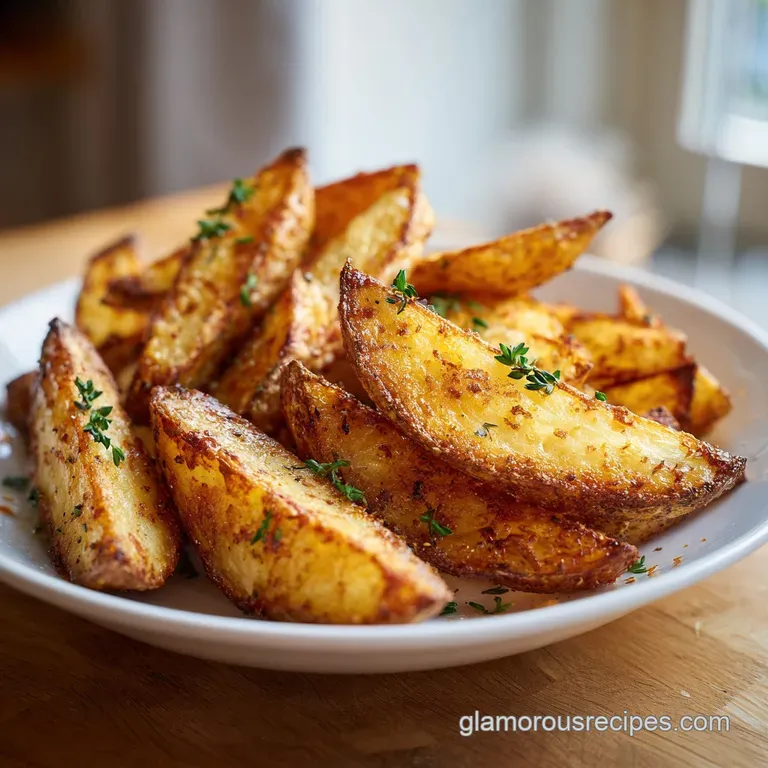
- Slice the Russet potatoes. Cut them lengthwise into halves, then quarters, and finally into eighths. Note: Aim for uniform thickness so they cook at the same rate.
- Rinse in cold water. This removes the excess surface starch that causes them to stick together. Watch for the water to turn from cloudy to clear.
- Dry them aggressively. Use several paper towels to blot every bit of moisture. The potatoes should feel tacky, not slippery.
- Drizzle with olive oil. Toss the dry wedges in your large bowl until they look shiny and fully coated.
- Whisk the dry blend. In a small separate bowl, combine the cornstarch, smoked paprika, garlic powder, onion powder, salt, and black pepper.
- Apply the coating. Sprinkle the seasoning over the oiled potatoes. Toss until a translucent, thin paste forms on the surface.
- Arrange in the basket. Place the wedges in the air fryer, ensuring they aren't piled on top of each other.
- Air fry at 200°C. Cook for 20 minutes total. Listen for the "sizzle" around the 10 minute mark.
- Shake the basket. At the 10 minute halfway point, give them a good toss to redistribute the heat.
- The finish. Remove from the air fryer until they are golden brown and the edges look sharp. Toss immediately with Parmesan and parsley while they are screaming hot.
Troubleshooting Your Spud Troubles
If your wedges aren't coming out with that satisfying "clink" when they hit the plate, don't panic. Usually, it's a simple fix involving heat or moisture. One thing I've learned the hard way: never crowd the basket. If you have to cook in two batches, do it.
A crowded basket is just a steamer in disguise, and nobody wants a steamed potato wedge.
Why Your Wedges Are Soft
If they come out limp, the culprit is almost always moisture. Either you didn't dry them well enough after rinsing, or you put too many in the basket at once. The steam from the bottom potatoes rises and softens the ones on top. Next time, try doing a smaller batch and really go to town with the paper towels.
Why the Spices Taste Bitter
If you notice a burnt, bitter aftertaste, your air fryer might be running hotter than the dial suggests, or your paprika is scorching. Smoked paprika has a high sugar content and can burn if it's in a hot spot for too long.
Try dropping the temperature to 190°C for the last 5 minutes if you see them browning too quickly.
| Problem | Root Cause | Solution |
|---|---|---|
| Uneven browning | Overcrowded basket | Cook in two batches or shake more often |
| Raw centers | Wedges sliced too thick | Increase time by 5 mins or slice thinner |
| Spices falling off | Potatoes were too wet | Ensure they are bone dry before adding oil |
Common Mistakes Checklist:
- ✓ Forget to rinse? The excess starch will make the coating gummy instead of crisp.
- ✓ Skipping the cornstarch? You'll lose about 40% of the potential crunch.
- ✓ Using "Old" potatoes? Sprouted or soft potatoes have converted starch to sugar and will burn.
- ✓ Preheating skipped? Always run the air fryer for 3 minutes before adding the food.
- ✓ Slicing into uneven sizes? Small ones will burn while big ones stay hard in the middle.
Creative Swaps and Flavor Twists
Once you've mastered the basic technique, the world is your oyster. I love the classic Garlic Parmesan combo because it feels like a Sunday dinner staple, but you can go in so many directions. The cornstarch oil-dry method is a canvas for whatever flavors you're craving.
If you want a spicy Tex Mex kick, swap the paprika for chipotle powder and add a teaspoon of cumin. Finish them with a squeeze of fresh lime and some chopped cilantro instead of parsley. For a "Loaded" version, toss them with bacon bits and chives at the end, and serve with a side of sour cream.
| Original Ingredient | Substitute | Why It Works |
|---|---|---|
| Parmesan Cheese | Pecorino Romano | Sharper, saltier profile. Note: Use slightly less as it's more intense. |
| Smoked Paprika | Curry Powder | Adds a warm, aromatic Indian inspired flare. |
| Olive Oil | Duck Fat | Provides an incredibly rich, savory "meaty" depth. |
For a vegan friendly crunch, skip the cheese and use nutritional yeast. It gives that same savory, almost "cheesy" hit without the dairy. If you're feeling adventurous, you can even toss them in a little bit of truffle oil right at the very end just a few drops, or it will overwhelm the whole house!
Guide to Storage and Reheating
Leftover potato wedges are a rarity in my house, but they do happen. The trick is knowing that a potato's structure changes once it cools. The starch molecules realign, which can make them feel a bit grainy if not reheated properly. Never, and I mean never, use the microwave.
It will turn your beautiful crispy wedges into rubbery sticks of sadness.
Storage: Store any leftovers in an airtight container in the fridge for up to 4 days. If you want to freeze them, do it after the air frying process. Lay them out on a baking sheet to freeze individually, then toss them into a freezer bag. They'll stay good for about 2 months.
Reheating: To get that "just cooked" texture back, pop them back into the air fryer at 190°C for 3-4 minutes. This will re crisp the exterior without drying out the middle.
If they were frozen, don't thaw them just air fry them for 8-10 minutes at the same temperature.
Zero Waste Tip: If you have just a few wedges left that aren't enough for a meal, chop them up and use them as the base for a breakfast hash. Sauté them with some onions and peppers, crack an egg on top, and you've got a gourmet Monday morning breakfast using Sunday's leftovers.
Classic Pairing Ideas
These Air Fryer Potato Wedges are the ultimate team player. They hold their own next to a massive ribeye steak, but they're just as happy sitting beside a simple grilled cheese sandwich. Because they have that Southern inspired seasoning, they pair beautifully with anything smoky or grilled.
I love serving these at a "Pub Night" at home. We'll do a batch of these wedges, some crispy chicken wings, and a big bowl of cool, creamy dipping sauce. A classic garlic aioli or a spicy ranch really complements the smoked paprika in the wedges.
The sharpness of the Parmesan also pairs surprisingly well with a crisp, acidic coleslaw.
If you’re hosting a crowd, consider making a "wedge bar." Put out a big platter of these golden beauties and offer 3-4 different sauces honey mustard, spicy ketchup, and maybe a blue cheese dip. It’s a low effort way to make a simple side dish feel like the star of the show.
No matter how you serve them, just make sure they get from the fryer to the table while they’re still making that beautiful sizzling sound!
Debunking Spud Myths
One of the biggest myths in the potato world is that you have to soak them for hours to get them crispy. While a quick rinse is essential to remove surface starch, a long soak can actually leach out too much internal starch, leaving the middle hollow and dry.
You want some of that internal starch to stay put so it can turn into that fluffy, mashed potato like center.
Another misconception is that more oil equals more crunch. In an air fryer, too much oil actually works against you. It creates a heavy barrier that prevents the hot air from evaporating the moisture on the surface.
Two tablespoons for 800g of potatoes is the "Goldilocks" amount just enough to conduct heat and hold the spices, but not so much that they become greasy or soggy. Trust the air circulation; it’s doing the heavy lifting for you!

Recipe FAQs
How do you cook wedges from potatoes in the air fryer?
Slice Russet potatoes into eighths, rinse in cold water to remove surface starch, and pat aggressively dry. Toss with olive oil and a mixture of cornstarch, smoked paprika, garlic powder, onion powder, salt, and pepper before air frying at 400°F for 20 minutes.
Why soak potatoes in water before air frying?
Rinsing removes excess surface starch that causes wedges to stick together or turn gummy. If you enjoy mastering this Savory & Tender recipe, you can apply similar preparation logic to achieve consistent textures in other roasted vegetable dishes.
How long to cook potato wedges in an air fryer at 400 degrees?
Cook them for exactly 20 minutes. Ensure you shake the basket halfway through the cooking time to promote even browning on all sides.
How long should wedges go in the air fryer?
The total cook time is 20 minutes at 400°F. This duration is sufficient to achieve a crispy exterior while keeping the inside tender.
Is it true I can crowd the air fryer basket as long as I cook them longer?
No, this is a common misconception. A crowded basket traps steam, which prevents the wedges from getting crispy regardless of how long you cook them; always maintain space for air circulation.
What is the purpose of adding cornstarch to the potatoes?
Cornstarch helps form a thin, crispy crust on the surface of the wedge when combined with the oil and spices. This creates the signature crunch that distinguishes a high-quality air-fried potato.
How do I know when the wedges are fully cooked?
They are done when the edges are golden brown and crisp, and the interior is tender when pierced with a fork. Immediately toss with grated Parmesan and minced parsley for the best flavor profile.
Crispy Air Fryer Potato Wedges

Ingredients:
Instructions:
Nutrition Facts:
| Calories | 247 calories |
|---|---|
| Protein | 6.1 g |
| Fat | 8.4 g |
| Carbs | 38.2 g |
| Fiber | 2.6 g |
| Sugar | 1.4 g |
| Sodium | 685 mg |
