Olive Garden Salad: the Ultimate Copycat Recipe
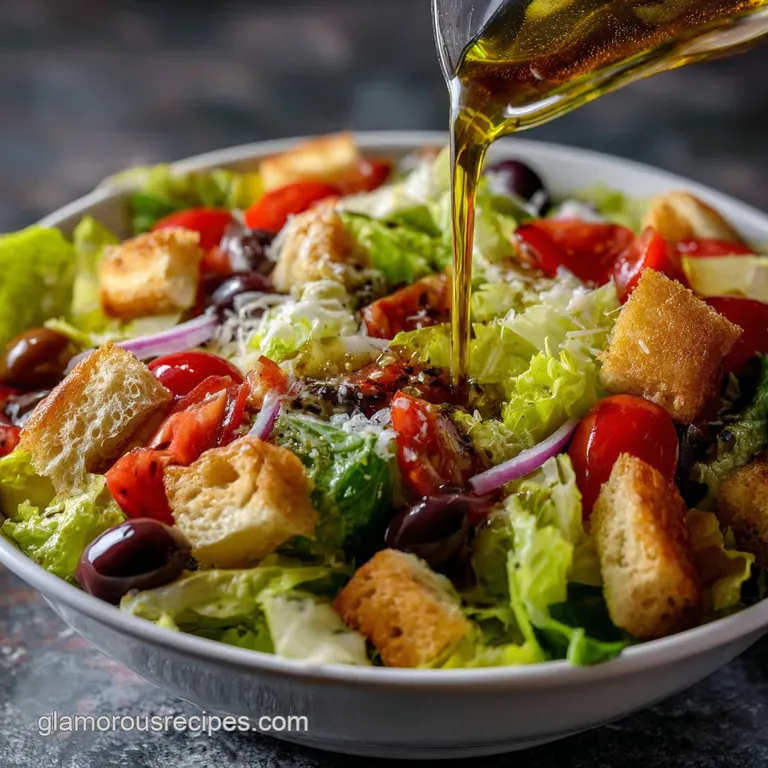
- Capturing the Magic of the Signature Italian Restaurant Salad
- The Science of Salad Perfection: Balancing Flavor and Texture
- Essential Ingredients and Chef-Approved Substitutions
- Flawless Execution: Step-by-Step Guide to Preparation
- Mastering the Toss: Chef’s Tips and Troubleshooting Common Errors
- Preparation Timelines and Storing Leftovers
- Completing the Italian Feast: Ideal Serving Suggestions
- Recipe FAQs
- 📝 Recipe Card
Capturing the Magic of the Signature Italian Restaurant Salad
That sound, you know? The one where you bite into perfectly crisp, ice-cold lettuce coated in just the right amount of tangy vinaigrette. If you’ve ever had the classic "bottomless" side dish from the famous Italian chain, you understand the craving.
This homemade Olive Garden Salad is all about recreating that iconic crunch and balancing the salty, sweet, and sour flavors.
Honestly, this recipe is a lifesaver. It takes 20 minutes of active time, costs way less than driving out, and tastes fresher than anything served under a heat lamp.
Making this Olive Garden Salad at home ensures every tomato is firm, every pepperoncini is bright, and the lettuce doesn’t look sad and waterlogged.
So, let's ditch the pre-made bottles and the mystery ingredients. I’m sharing the real secrets to crafting the best Olive Garden Salad recipe —including the signature zesty dressing so authentic you’ll swear a breadstick waiter is about to swing by your table.
The Science of Salad Perfection: Balancing Flavor and Texture
People think salad is easy, but making a great Olive Garden Salad is really about precision. It's about combining ingredients that shouldn't quite work together like creamy Parmesan, sharp onion, and sweet sugar into one harmonious bite.
The key is structural integrity and a highly stable dressing.
The Role of the Iconic Dressing in Flavor Delivery
The true magic behind the famous taste is the vinaigrette. This is not just oil and vinegar haphazardly whisked together. We are making an emulsion, a creamy suspension that coats every leaf perfectly.
The combination of white wine vinegar, dried herbs, and that optional dab of mayo (trust me, it stabilizes everything!) ensures the dressing adheres to the dry, crisp lettuce instead of pooling at the bottom of the bowl.
This specific balance is what makes the Olive Garden Salad Dressing instantly recognizable.
What Makes This Copycat Recipe Truly 'Bottomless' Quality
It comes down to temperature and dryness. You need incredibly cold, dry components. The restaurant serves so much of this salad that they are constantly prepping fresh batches, and we need to replicate that speed and freshness.
This specific blend of Romaine (for body) and Iceberg (for shattering crunch) is absolutely essential for the classic texture.
Key Ingredients You Must Not Skip
You can't skip the Pepperoncini. Period. Their vinegary, slightly spicy brine is crucial for cutting through the oiliness of the dressing and the richness of the cheese. I also always insist on high-quality olives; they carry a huge amount of the salinity in this particular garden salad recipe .
Achieving the Perfect Sweet and Sour Tang
This dressing leans slightly sweet, which is why it's so addictive and pairs well with salty toppings. We use granulated sugar to achieve that background sweetness, balancing the high acidity from the white wine vinegar and the fresh lemon juice. If the dressing is too harsh, that tiny bit of sugar is the fix.
The Critical Importance of Romaine Lettuce Prep
I cannot stress this enough: wet lettuce is the enemy of a great vinaigrette. If your lettuce is even slightly damp, the dressing slides right off and turns into watery sadness at the base of the bowl. Wash it thoroughly, then spin it until it squeaks.
This step defines the quality of your Olive Garden Salad.
The Salt Factor: Olives, Croutons, and Parmesan
Since this Olive Garden Salad is often served before a hearty pasta dish, it needs punch. The olives, the Parmesan (freshly grated is mandatory, please!), and the croutons all contribute significant salinity and umami.
You want every bite to deliver that salty hit alongside the sweet tang of the vinaigrette.
Essential Ingredients and Chef Approved Substitutions
When building the perfect Olive Garden Salad , ingredient quality matters, but don't panic if you’re missing something minor. Here are the core components and quick fixes.
Primary Components of the Classic Salad Mix
We’re keeping it simple and classic here: crisp lettuces, bright tomatoes, sharp onion, and the iconic briny additions. Make sure your red onion is sliced paper thin; no one wants a huge, raw chunk of onion interrupting their perfect bite of the copycat Olive Garden Salad .
Building the Homemade Zesty Italian Dressing
This is where you earn your chef stripes. The high oil-to-vinegar ratio (2:1) makes it rich, but the dry herbs and lemon juice give it that authentic zing. Don’t be shy with the garlic and onion powders; they provide consistent, savory depth that fresh garlic often lacks in a raw vinaigrette.
Understanding the Role of Pepperoncini
These little golden peppers are non-negotiable. They add a mild heat and a gorgeous color, but more importantly, they bring a bright, vinegar soaked punch. Sometimes, I even sneak a tablespoon of the pepperoncini brine into the dressing for an extra layer of complexity, but shhh, don’t tell anyone my secrets.
When and How to Make Ingredient Swaps
| Ingredient | Substitution | Flavor Impact |
|---|---|---|
| White Wine Vinegar | Apple Cider Vinegar (use slightly less) | Slightly fruitier, less sharp |
| Iceberg Lettuce | Little Gem Lettuce or Napa Cabbage | Maintains crunch, slightly sweeter |
| Roma Tomatoes | Cherry or Grape Tomatoes (halved) | Juicier, quicker prep |
| Black Olives | Kalamata Olives (in a pinch) | Adds a much stronger, fruitier flavor |
| Parmesan | Pecorino Romano | Sharper, saltier, slightly more pungent |
Flawless Execution: step-by-step Guide to Preparation
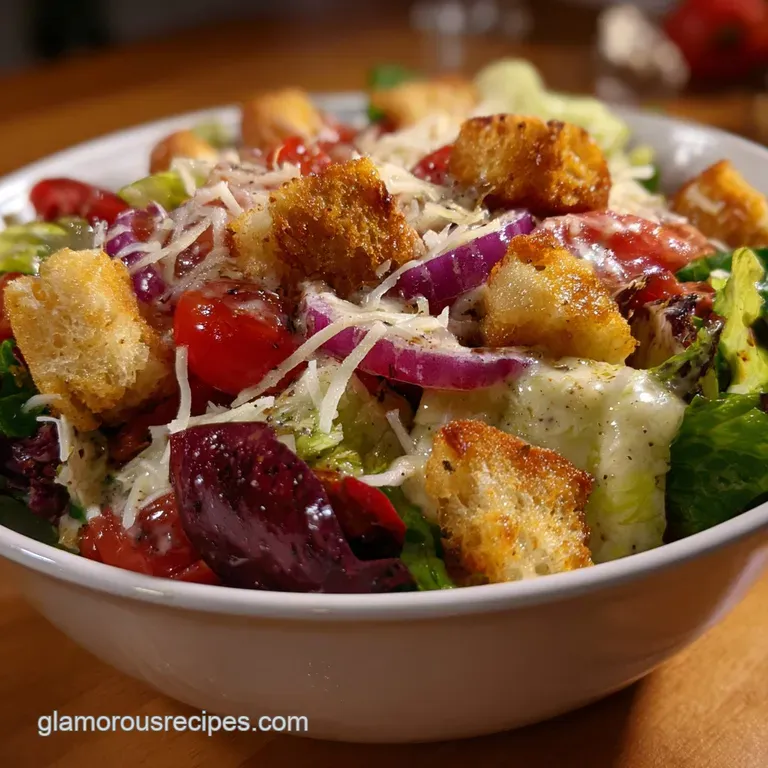
Whipping Up the Signature Vinaigrette (Emulsification Tips)
First, combine all your liquids except the olive oil in the blender: vinegar, water, lemon juice, plus the sugar and dried spices. Give it a quick blend until everything is dissolved. Then, while the blender is running at medium speed, start that slow, steady drizzle of olive oil.
The sound should change as the dressing thickens; it should look creamy and slightly opaque, not separated. That slow addition is the key to perfect emulsification.
Chef’s Note: If you are whisking by hand (brave soul!), do it over a slightly damp towel to keep your bowl from sliding all over the counter. Your arm will get tired, but the results are worth it for this rich Olive Garden Salad Dressing recipe .
Prepping the Produce and Toppings for Maximum Crispness
Wash and thoroughly dry both the Romaine and Iceberg. Tear them, don't chop them, to avoid bruising the edges. Slice your tomatoes and onions right before assembly. Once prepped, put the lettuce back in the fridge for at least 15 minutes.
Serving an Olive Garden Salad ice cold is the difference between good and great.
Layering the Components for Texture Contrast
In your largest, coldest mixing bowl, start with the lettuce blend. Add the tomatoes, black olives, and thinly sliced red onion. Scatter the pepperoncini over the top. Hold the croutons and cheese they don’t go in yet!
The Crucial Final Toss and Immediate Serving
Give your dressing a vigorous shake right out of the fridge. Start by drizzling about half of the dressing over the salad components. Using tongs or clean hands, toss gently but thoroughly. The goal is to coat everything without bruising the lettuce.
Just before it hits the table, throw in the croutons and grate the fresh Parmesan over the whole thing. Toss lightly one last time and serve immediately. This ensures the croutons are still wonderfully crunchy in your Olive Garden Salad .
Mastering the Toss: Chef’s Tips and Troubleshooting Common Errors
Every fantastic garden salad recipe demands flawless technique. Don’t make the mistakes I made when learning how to perfect this dish.
Ensuring the Lettuce Stays Crisp (The Ice Bath Method)
If your lettuce seems tired, you can revive it! After washing and tearing, submerge it in an ice bath for 10 minutes. This shocks the cell walls and makes the leaves incredibly crisp. Just remember: spin, spin, spin until bone dry before combining with the dressing.
Adjusting Acidity and Sweetness in the Dressing
If you taste your finished dressing and it feels too sharp, don't worry. Add half a teaspoon of sugar, whisk, and taste again. If it’s too sweet, add a squeeze of fresh lemon juice.
The beauty of the homemade Olive Garden Salad Dressing is that you can adjust it to your perfect preference, unlike the store-bought version.
The Right Way to Use Pepperoncini Brine
If you want an extra savory depth, use 1 2 tablespoons of the brine right at the beginning of the dressing phase, before adding the oil. This intensifies the tang and saltiness. But be careful; too much brine and you risk overwhelming the subtle dried herbs.
make-ahead Guidelines for the Dressing Components
The vinaigrette is truly better if made ahead. I recommend making a double batch of this Olive Garden Salad dressing two days before you need it. The herbs bloom overnight, deepening the flavor significantly. Store it tightly sealed in the fridge.
You may need to blend or vigorously shake it before use if the oil separates.
Preparation Timelines and Storing Leftovers
Optimal Storage Methods for Assembled Salad Components
This is tricky. Once tossed with dressing, this Olive Garden Salad begins to wilt fast. If you know you will have leftovers, only toss the portion you intend to eat immediately.
Store all the prepped, undressed components (lettuce, onion, tomatoes, olives) in separate airtight containers in the crisper drawer of your fridge. They will last 2 3 days this way. Store the dressing separately, where it will last up to a week.
Why Freezing is Not Recommended for This Dish
Please, never freeze this salad or any components other than perhaps the croutons (which is overkill). Lettuce, tomatoes, and pepperoncini contain high water content. When frozen and thawed, the water expands and ruptures the cell walls, leaving you with a soggy, mushy mess.
Keep the ingredients cold, but definitely not frozen!
Completing the Italian Feast: Ideal Serving Suggestions
This Olive Garden Salad is the perfect palate cleanser before a heavy meal. It’s light, vibrant, and incredibly satisfying.
It shines brightest next to classic comfort food. Serve it with warm, buttery garlic breadsticks that are essential for scraping up the last bit of dressing. It also pairs perfectly as a crisp counterbalance to creamy, heavy mains, like your favorite lasagna or a rich chicken parmesan.
For a lighter, comforting pairing, I love serving this alongside a piping hot bowl of classic Pasta e Fagioli soup. You’ll feel like you’re sitting in the booth of your dreams!
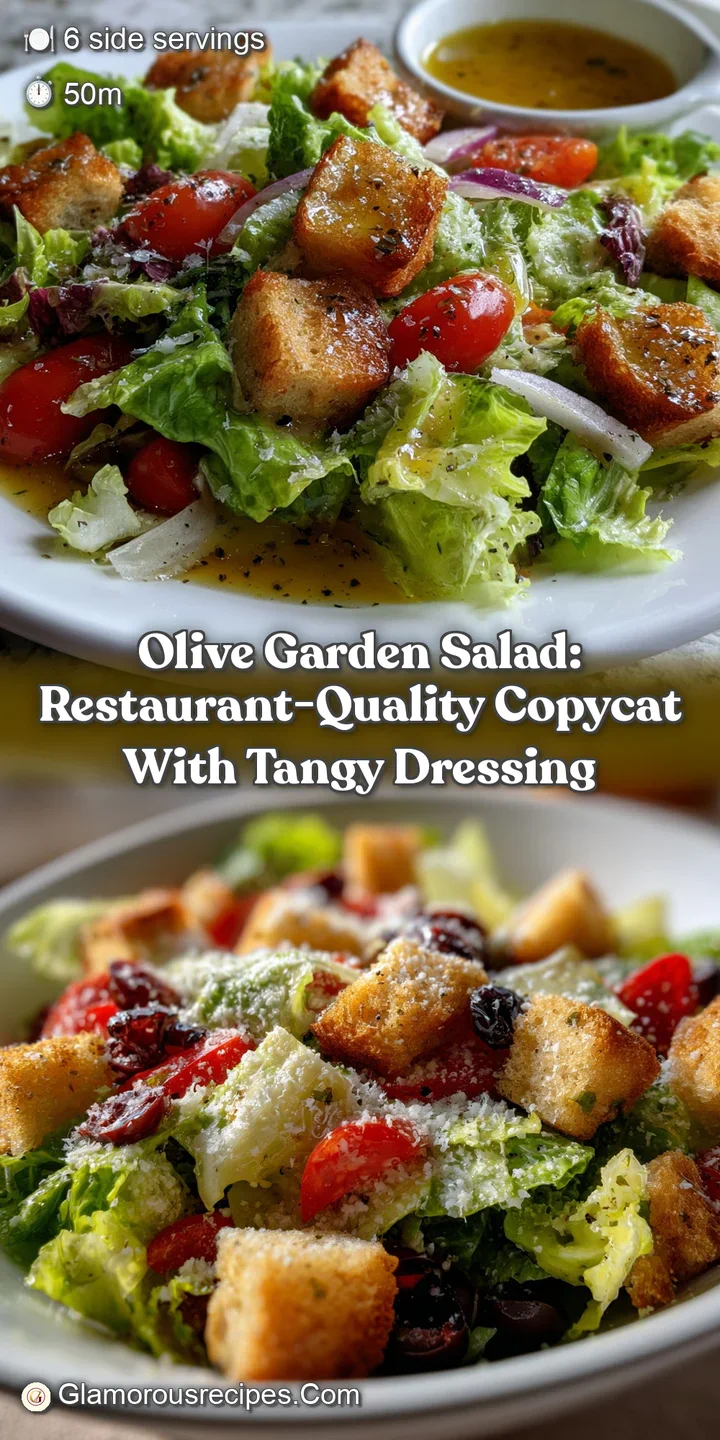
Recipe FAQs
Can I dress the salad ahead of time, or should I wait until serving?
You should always dress this specific salad right before serving, especially because the high vinegar content in the signature dressing will rapidly wilt crisp lettuce types like romaine and iceberg. Pre-dressing will cause the salad to lose its famous crunch almost immediately, resulting in a soggy texture.
Store the dressing separately in the refrigerator and toss gently immediately before plating.
Why does my copycat dressing separate after shaking?
Dressing separation is entirely normal for homemade vinaigrettes, particularly those without commercial stabilizers or thickeners. Ensure you are shaking vigorously just before pouring to temporarily re-emulsify the oil and vinegar components.
For better stability, try blending all ingredients for 30 seconds and incorporating a tiny amount (about 1/4 tsp) of Dijon mustard, which acts as a natural emulsifier.
What is the best way to keep the lettuce crunchy and prevent it from wilting?
The key to maintaining maximum crunch is diligent washing and drying; any residual water will dilute the dressing and accelerate wilting. Always use a blend of sturdy iceberg and romaine, and ensure both are thoroughly dried using a salad spinner or a clean kitchen towel before assembly.
Additionally, serving the salad in a chilled bowl helps maintain the crisp temperature until the last bite.
How can I make the Olive Garden Copycat Salad suitable for vegans?
The main non-vegan components are the Parmesan cheese and sometimes the croutons if they contain dairy ingredients. To adapt, simply omit the grated Parmesan entirely or substitute it with nutritional yeast, which provides a satisfying savory and cheesy flavor without dairy.
Carefully check the ingredient label on pre-packaged croutons or make your own using olive oil and garlic.
What is the shelf life of the homemade dressing, and how should I store it?
Since this dressing is predominantly vinegar and oil-based, it keeps very well. Stored in an airtight jar or container in the refrigerator, it will remain fresh and flavorful for up to two weeks.
Always remember that the oil may solidify when chilled, so let the dressing sit at room temperature for 10 minutes and shake vigorously before use.
Can I substitute black olives with Kalamata olives in this recipe?
While Kalamata olives are delicious, they possess a much stronger, fruitier flavor than the standard black olives used in the restaurant version, which are milder and saltier. Using Kalamatas will alter the authentic taste profile significantly, overpowering the subtle dressing flavors.
For the most accurate copycat experience, stick with standard canned, sliced black olives.
What is the best alternative if I cannot find Pepperoncini peppers?
Pepperoncini adds a distinct pickled sweetness and mild acidity that is crucial to the overall salad profile. If you cannot source them, use sliced banana peppers, which offer a similar mild heat and pickled tang.
Ensure that whichever substitute you use comes from a jar packed in brine, not oil, to maintain the correct moisture and flavor.
Copycat Olive Garden Salad Recipe
Ingredients:
Instructions:
Nutrition Facts:
| Calories | 937 kcal |
|---|---|
| Protein | 10.2 g |
| Fat | 77.0 g |
| Carbs | 51.7 g |
