French Martini Recipe: Smooth, Sweet Easy Cocktail
- Decoding the Delight: What Makes the French Martini a Modern Classic?
- The Science of Sophistication: Mastering Flavor and Texture
- Building the Foundation: Essential Components and Clever Alternatives
- The Classic Method: Mixing Your Parisian Powerhouse
- Expert Tips from the Bar: Troubleshooting the Perfect Shake
- Scaling Up: Batching and Storing Your Cocktail Base
- Complementary Bites: Perfect Pairings for the Sweet Sipper
- Recipe FAQs
- 📝 Recipe Card
Decoding the Delight: What Makes the French Martini a Modern Classic?
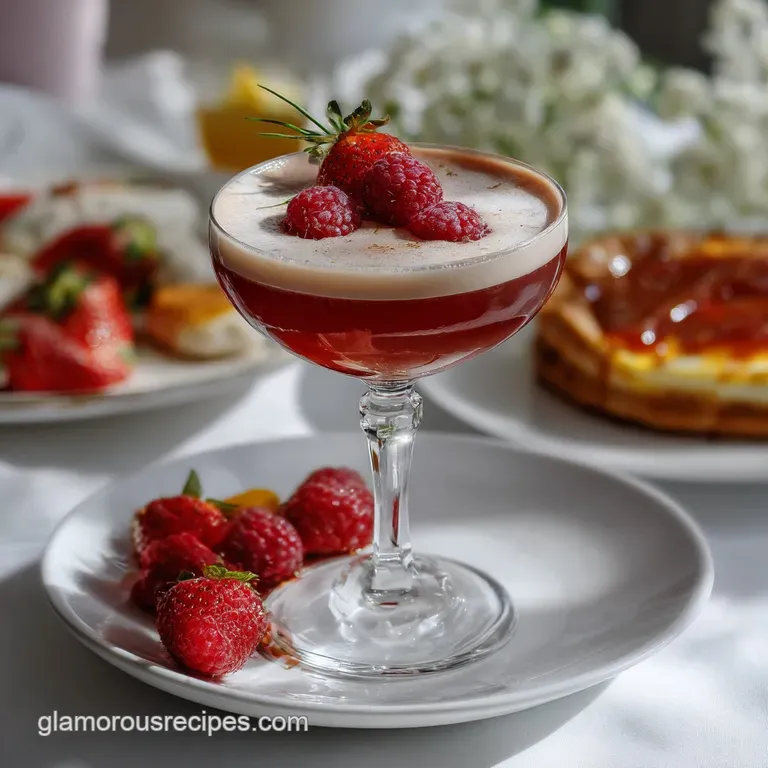
If you want a cocktail that looks sophisticated but requires zero effort, you need the French Martini in your life. It has this incredible velvety texture, seriously it’s not watery or thin like some drinks.
When you take that first sip, you get the bright sweetness of pineapple instantly followed by the deep, complex tartness of raspberry. It’s absolutely divine.
We’re not talking about a complicated classic here, thank goodness. This Easy French Martini recipe takes maybe five minutes from start to finish, relying mostly on accurate measuring and a proper, aggressive shake.
It’s cheap to make at home compared to bar prices, and it’s the perfect welcome drink for guests who might not love super boozy, traditional martinis.
Forget everything you think you know about vermouth or olives, because this pink beauty skips them entirely. This specific guide is going to guarantee you get that silky smooth texture and the perfect acid-to-sweet balance every single time. Ready to master the perfect French Martini? Let's dive in.
The Science of Sophistication: Mastering Flavor and Texture
The Cocktail That Isn't French: Origins and Naming History
It’s always a bit of a laugh, isn't it? The French Martini is about as Parisian as I am, having been invented in New York in the late 1980s. The name, of course, is a nod to its use of Chambord, that gorgeous, deep raspberry liqueur from the Loire Valley.
It sounds fancy, but the execution is purely modern and delightfully simple.
A Study in Balance: Vodka, Pineapple, and Raspberry
The magic of the French Martini cocktail lies in its holy trinity of ingredients. You have the clean, neutral kick of the vodka, which provides the necessary strength, and then the pineapple juice brings the tropical sweetness and critical froth factor.
Finally, the Chambord adds the gorgeous color and essential berry depth. If you mess up the ratio, it quickly becomes too syrupy, so precision matters here!
The Defining Difference: Why It Ditches the Vermouth
Traditional martinis use vermouth to add aromatic complexity and reduce the overall strength. But the French Martini relies on the natural sweetness and viscosity of the fruit juices and Chambord to fill that gap. This is why it appeals to people who usually find traditional martinis too harsh or savory.
The Acid Sweet Dance: Neutralizing the Pineapple's Bite
Pineapple juice is naturally acidic, which is actually brilliant here. It cuts through the syrupy sweetness of the Chambord perfectly, creating a beautiful balance. If you use fresh, slightly tart pineapple juice, you won't need any additional citrus to brighten the flavor.
Achieving the Velvety Texture: The Importance of a Hard Shake
You must shake this like you mean it! The high sugar content and the presence of fruit pulp in the pineapple juice demand a very cold, very vigorous shake. This action emulsifies the juice, chills it rapidly, and introduces tiny air bubbles, which results in that professional, velvety froth on top.
The Perfect Chill: Why Temperature Dictates Taste
Taste buds react differently to temperature. When a cocktail is super cold, the sweetness is muted, and the alcohol burn is softened. Since this French Martini is naturally sweeter than most, serving it ice-cold is non-negotiable for maximum enjoyment.
Building the Foundation: Essential Components and Clever Alternatives
To make the perfect French Martini, you need great starting ingredients. Don't skimp on the quality, especially the vodka, since it’s the base flavor carrier.
Selecting Your Spirit: Why Vodka Quality Matters Here
Vodka needs to be high-quality, but it doesn't need to be obscure. Since the spirit is mostly neutral, it’s there to carry the fruit flavors, but a harsh vodka will definitely lead to a sharper, less enjoyable finish.
| Ingredient | Standard Requirement | Viable Substitute |
|---|---|---|
| Vodka (2 oz) | high-quality neutral grain spirit (chilled) | high-quality White Rum for a slightly more tropical profile. |
| Chambord (0.5 oz) | Black raspberry liqueur | Crème de Cassis (blackcurrant) for a darker berry profile, or a quality Raspberry Syrup (reduce juice by 0.25 oz). |
| Pineapple Juice (1.5 oz) | Chilled, unsweetened carton or fresh | White Cranberry Juice (it will lose the tropical note, but keep the texture). |
The Star Liqueur: Deep Dive into Chambord (and Substitutes)
Chambord is the signature ingredient that makes this a Chambord cocktail recipe, offering that gorgeous dark berry sweetness. It’s what gives the French Martini its characteristic color.
If you are struggling to find it, a decent quality raspberry syrup can work in a pinch, but remember that syrups are generally much sweeter than liqueurs, so adjust your pineapple juice accordingly.
Canning vs. Fresh: Choosing the Right Pineapple Juice
This is where I learned a hard lesson early on. Skip the stuff labeled "Pineapple Drink" or juice concentrates loaded with sugar. You want pure, unsweetened pineapple juice. Freshly pressed is ideal, but a high-quality, chilled carton of unsweetened juice works beautifully and ensures you get maximum froth when shaking.
Necessary Tools: Shakers, Strainers, and Coupes
You absolutely must have a proper shaker and strainer. If you want that professional, velvety texture, you will need to double strain. This means using your Hawthorne strainer (to hold back the large ice) and then pouring the liquid through a fine mesh strainer held over the glass to catch any tiny ice shards or pineapple pulp.
Crucial Barware Note: Always use a chilled glass. A warm glass is the enemy of any French Martini smoothness.
The Classic Method: Mixing Your Parisian Powerhouse
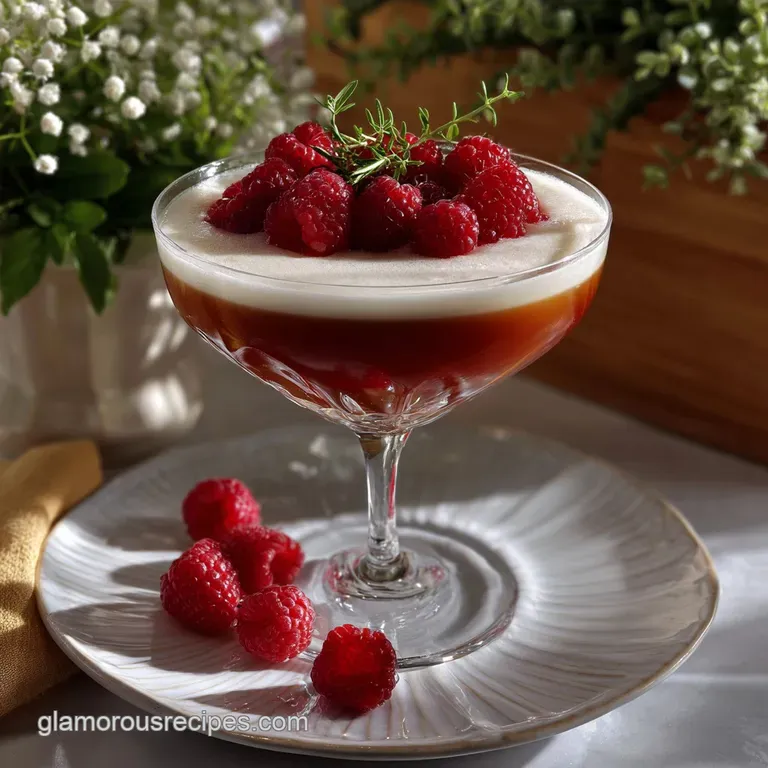
This entire process should be quick and precise. The slower you are, the warmer your cocktail gets, and we don't want that.
Pre-Chilling Protocol: Preparing Your Glassware
- Freeze First: Place your coupé or martini glass directly into the freezer. Three minutes is the minimum, but ten is better.
- The Quick Chill: If you’re in a rush, fill the glass entirely with ice water while you prepare the drink. Just be sure to dump the water right before you strain!
The Exact Ratio: Measuring for Optimal Sweetness
Accuracy is king for this vodka raspberry cocktail. I find 2 parts Vodka, 1.5 parts Pineapple, and 0.5 parts Chambord is the sweet spot literally. Use a jigger and measure everything precisely.
My first attempt was an estimated disaster, tasting like slightly spiked fruit punch because I went heavy on the Chambord!
Shaking Technique: Achieving Maximum Froth and Dilution
- Add Ice and Spirits: Fill your shaker two-thirds with fresh, dense ice cubes. Pour in the vodka, then the pineapple juice, and finally, the Chambord. Adding the heaviest liquid last sometimes helps it incorporate better.
- Seal and Attack: Secure the lid and shake, shake, shake! You are aiming for 15 to 20 seconds of hard, deliberate movement. You should feel the shaker get thoroughly frosted on the outside; this confirms maximum chilling and aeration.
The Art of the Final Presentation: Garnishing the Rim
- Discard Ice: Pour out the ice water from your prepared glass.
- Double Strain: Hold the Hawthorne strainer over the shaker. Now, hold the fine mesh strainer directly over the glass and pour the liquid through both. Look at that gorgeous, smooth raspberry cocktail flow into the glass!
- The French Martini Garnish: Thread three fresh raspberries onto a skewer and rest it gently across the rim. Alternatively, a small pineapple wedge clipped to the edge looks chic.
Expert Tips from the Bar: Troubleshooting the Perfect Shake
Fixing Over Dilution: When Your Martini Tastes Weak
If your French Martini tastes weak and watery, it’s usually because you used old, wet ice, or you shook it for too long. If your ice is already partially melted (like the stuff from the fridge dispenser), it will melt faster in the shaker and dilute the drink before it reaches optimal coldness.
Always use fresh, rock hard ice.
The Separation Issue: Keeping the Ingredients Homogenous
If the pineapple separates from the rest of the liquid quickly, it means the mixture wasn't adequately emulsified. This usually happens if you didn't shake vigorously enough, or if the pineapple juice wasn't chilled to begin with. The solution?
Shake harder and ensure all ingredients are very cold before they hit the ice.
Adjusting Sweetness: Balancing the Chambord Ratio
Maybe you found this a little too sweet for your palate. If so, next time, reduce the Chambord to 0.4 fl oz and increase the vodka to 2.1 fl oz, keeping the pineapple the same. This slight adjustment cuts the sugar without losing the vibrant raspberry flavor.
Scaling Up: Batching and Storing Your Cocktail Base
Pre-Mixing Principles for Large Parties
Want to serve a huge batch of French Martini for a crowd? Brilliant idea! You can pre-mix the vodka, Chambord, and pineapple juice (minus the ice) in a large container. Keep this mixture chilled in the fridge.
Shelf Life of the Unmixed Base (Vodka/Liqueur)
The pre-mixed base (vodka, Chambord, and pineapple) is stable for about 24 hours in the refrigerator. However, please note: the pineapple juice will start to separate slightly.
You must give the container a quick, aggressive stir before pouring the liquid into the shakers for serving.
Serving Temperature Maintenance: Keeping it Cold for Guests
When serving large batches, transfer the pre-mix to an ice bucket or serving carafe surrounded by ice right before the guests arrive. Then, for individual servings, pour the base into a shaker two-thirds filled with fresh ice and perform the crucial hard shake immediately before serving in chilled glasses.
Complementary Bites: Perfect Pairings for the Sweet Sipper
This drink is sweet and fruity, so it needs salty, savory, or creamy appetizers to contrast beautifully. If you love sweet drinks, you might also enjoy my Pornstar Martini Recipe: Tropical Fizz Perfection in 5 Minutes — it has a similar fruity vibe.
- Mini Smoked Salmon Canapés: The oily, smoky salmon is the absolute perfect salty counterpoint to the tart raspberry notes of the French Martini.
- Gorgonzola and Walnut Crostini: Go bold! The intense, funky saltiness of a blue cheese like Gorgonzola stands up brilliantly against the sweetness of the fruit.
- Salted Mixed Nuts (Warm): Simple sophistication. Warming the nuts slightly enhances their saltiness and aroma, making them impossible to resist.
This classic French Martini recipe is pure fun in a glass, delivering maximum elegance with minimum fuss. Cheers to that!
Recipe FAQs
Can I use another raspberry liqueur if I don't have Chambord?
Absolutely. While Chambord is the classic choice, valued for its unique black raspberry flavour and slight viscosity, any high-quality crème de framboise will work as a substitute.
Be aware that generic raspberry liqueurs might be overly sweet, so you may need to slightly reduce the measure to maintain the cocktail's balance.
My French Martini tastes flat or too sweet. How do I fix this balance?
The balance of the French Martini relies heavily on the acidity and freshness of the pineapple juice to counteract the sweetness of the Chambord. If your drink is too sweet, ensure you are using high-quality, fresh pineapple juice, and consider adding a small squeeze (about 5ml) of fresh lime juice.
Also, vigorous shaking is essential, as proper dilution helps temper the sweetness.
Why must I shake the French Martini, and not stir it like a traditional Martini?
Unlike clear, spirit forward traditional Martinis, this recipe contains opaque ingredients like fruit juice and liqueur, which require aeration and emulsification. Shaking incorporates the pineapple juice fully, creates a desirable chilled temperature, and results in the signature light froth on the surface of the cocktail.
What is the proper, elegant garnish for the French Martini?
The classic and simplest garnish is a single, fresh raspberry dropped into the bottom of the glass before pouring, allowing it to soak up the flavour. Some mixologists prefer a thin lemon peel twist, which adds a subtle citrus aroma and oil expression when rubbed along the rim of the glass.
Can I batch this recipe ahead of time for a large gathering or party?
You can certainly pre-mix the base spirits (the vodka and the Chambord) and keep this mixture chilled in the refrigerator. However, you must never add the pineapple juice until immediately before serving, as the juice degrades quickly when pre-mixed and loses its vibrant flavour profile.
Always shake the final combined mixture with ice just before serving.
Does the type of pineapple juice I use really make a difference?
Absolutely. For the best culinary results, use fresh or premium, unfiltered bottled pineapple juice, avoiding concentrates or canned varieties with added sugar. high-quality juice provides the necessary tartness and brighter aroma that prevents the cocktail from tasting dull or overly artificial.
If I don’t have vodka, can I substitute it with another base spirit?
While vodka is the traditional neutral base, a high-quality white rum can be used if you prefer a slightly warmer, sweeter undertone that complements the tropical juice. However, avoid strong substitutes like gin or whiskies, as their dominant botanicals or oak notes will clash severely with the delicate raspberry and pineapple flavours.
Classic French Martini Recipe
Ingredients:
Instructions:
Nutrition Facts:
| Calories | 235 kcal |
|---|---|
| Fat | 0 g |
| Fiber | 0 g |
