Snickerdoodle Cookies: the Perfect Chewy Tangy Recipe
- The Chewy Snickerdoodle Legacy: What Makes This Cookie Unique
- The Science of Crinkle: Achieving That Signature Tangy Chew
- Pantry Essentials: Key Ingredients and Flavor Adjustments
- Baking Mastery: Step-by-Step Guide to Perfect Cookies
- Troubleshooting and Expert Baker Secrets
- Maximizing Freshness: Storage and Dough Preparation
- Beyond the Cookie Jar: Optimal Snickerdoodle Pairings
- Recipe FAQs
- 📝 Recipe Card
The Chewy Snickerdoodle Legacy: What Makes This Cookie Unique
The smell of cinnamon and sweet butter hitting the oven heat is, quite simply, therapy. When these particular Snickerdoodle Cookies start baking, that aroma spicy, sugary, and perfectly comforting clings to every corner of your kitchen. The finished product?
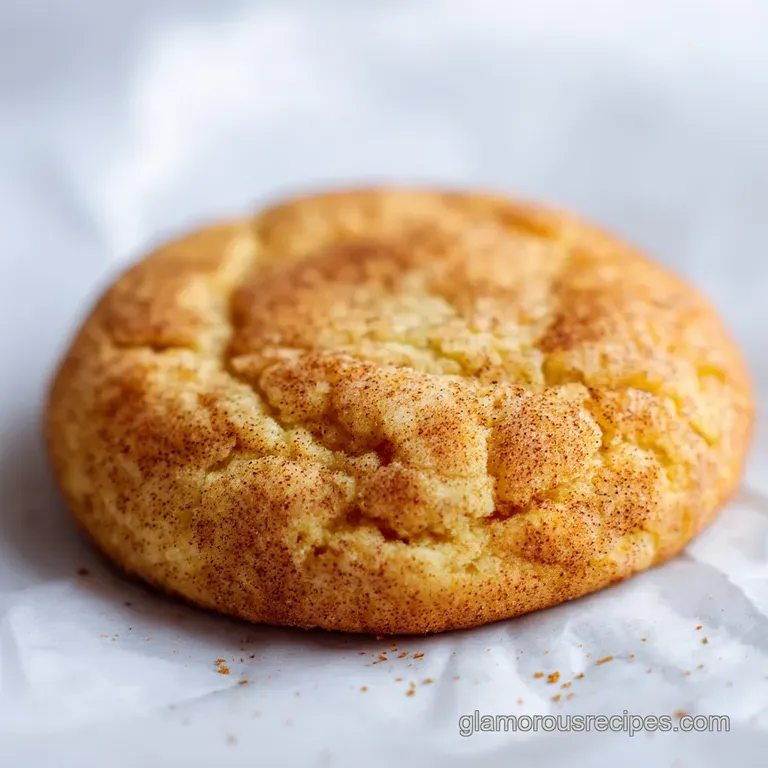
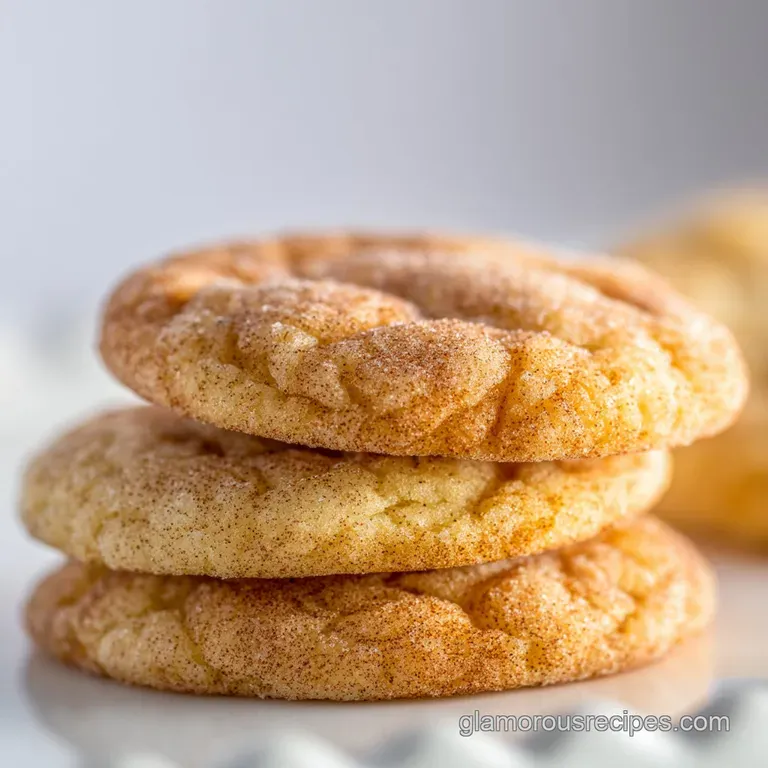
We are talking about cookies with the perfect texture: soft, pillowy centers and edges that shatter beautifully, showing off those signature deep crinkles.
I know what you're thinking: another cookie recipe? Trust me, this isn’t just another recipe; this is the one that saved my sanity during peak holiday baking season because it’s so reliable and shockingly fast to pull together.
You can whip up the dough in less than 20 minutes, which makes these Snickerdoodle Cookies your best friend when you need a high impact, low-effort dessert instantly.
We are going to dive deep into the secrets that transform a basic sugar cookie base into the tangy, crinkly masterpiece that is the classic Snickerdoodle Cookies . Get ready to learn the exact timing and technique that guarantees a truly chewy cookie every single time. Let’s crack on.
The Science of Crinkle: Achieving That Signature Tangy Chew
Defining the Perfect Snickerdoodle Texture
A truly exceptional Snickerdoodle must deliver on two promises: tanginess and chewiness. If your cookie is puffy and cakey, we need to adjust the structure immediately. The texture we are chasing is dense, soft, and slightly yielding in the centre, contrasting sharply with that exterior coat of sugar and spice.
Achieving this requires controlling both the fat content and the leavening agents in this specific Snickerdoodle Cookies recipe.
The Essential Role of Cream of Tartar in Leavening
If you’ve ever wondered why Snickerdoodles taste uniquely sharp and tangy compared to a standard sugar cookie, the secret ingredient is, definitively, cream of tartar. It’s an acidic powder potassium bitartrate, if we want to get geeky that provides that signature sour note.
Crucially, it also interacts dynamically with baking soda to prevent the quick crystallization of sugar, resulting in a much softer and chewier crumb. When I first started making Snickerdoodle Cookies , I tried substituting it and the results were sadly flat and boring.
Don't skip it!
A Brief History of the Classic American Cookie
While the exact origin story is foggy (isn't that always the case with the best recipes?), many food historians agree that Snickerdoodle Cookies are either German or New England in origin, possibly stemming from Dutch recipes.
The name itself is a fun mystery; some say it comes from the German word Schneckennudeln (snail noodles), which describes the cinnamon roll shape. Whatever the name’s true beginning, these cookies became wildly popular in America, cementing their status as a beloved classic dessert for gifts and gatherings.
Why Butter Temperature Matters for Dough Structure
You simply cannot start a batch of perfect Snickerdoodle Cookies with cold butter. Room temperature, truly softened butter is mandatory for one reason: aeration. When you cream soft butter with sugar, the sharp edges of the sugar crystals beat tiny air pockets into the fat.
This light, fluffy mixture gives the dough the necessary lift and guarantees a tender, non-dense result. If your butter is too cold, the air won't incorporate, and if it's melted, your cookies will be greasy and flat a mistake I absolutely made the first three times I tried making these!
Understanding the Leavening Agents: Baking Soda vs. Cream of Tartar
In many baking recipes, you see baking soda and baking powder, but here we pair baking soda with cream of tartar. Baking soda requires an acid to activate it, and the cream of tartar provides that acid instantly.
This fast reaction creates carbon dioxide gas immediately upon mixing, ensuring a rapid rise and subsequent crinkle when the cookie hits the heat. This unique combination is the true secret behind a classic Snickerdoodle Cookie Recipe .
Chilling the Dough for Optimal Spread and Crinkle
I know, I know. Chilling is the enemy of instant gratification. But chilling the dough for these Chewy Snickerdoodle Cookies is non-negotiable. Chilling solidifies the fat, preventing the dough from spreading too quickly when it goes into the oven.
A slower spread means the exterior sets first, allowing the interior gases to push through the surface, creating those wonderful, deep cracks we associate with the very best Snickerdoodles.
Chef's Note: If you want a deeper molasses flavor, switch out half of the granulated sugar for brown sugar, but be warned it will affect the lightness of the crumb and the overall texture of your final Snickerdoodle Cookies . Stick to granulated for the classic look and taste.
Pantry Essentials: Key Ingredients and Flavor Adjustments
Selecting the Right Fat: Butter vs. Shortening for Texture
Traditionally, many Snickerdoodle recipes call for shortening, and while shortening does produce an incredibly soft cookie that resists spreading, I am a butter purist. I find shortening mutes the flavour too much.
We use 100% unsalted butter here because it provides superior flavour and richness, which is key for making delicious Snickerdoodle Cookies From Scratch . The trick is managing the temperature so the butter doesn't cause excessive spread.
Substituting Cream of Tartar (If Necessary)
Okay, sometimes you’re in a pinch and don't have this crucial ingredient. Can you still make passable Snickerdoodle Cookies Without Cream Of Tartar ? Yes, but they won't have the same signature tang.
The best substitution is to use baking powder in place of the cream of tartar/baking soda combo, but only use 2 teaspoons of baking powder total. Alternatively, you can replicate the acidity by adding a teaspoon of white vinegar or lemon juice to your wet ingredients, then using the standard amount of baking soda.
The texture won't be identical, but it works.
Crafting the Ideal Cinnamon Sugar Coating Ratio
The coating is the crown jewel of these Easy Snickerdoodle Cookies . My perfect ratio is 4 parts sugar to 1 part cinnamon. This means for every ¼ cup of sugar, use 2 full teaspoons of ground cinnamon.
Use a fragrant, high-quality cinnamon; it really does make a difference in the final aroma and taste of these Cinnamon Cookies Recipe favourites. Make sure to roll the dough balls generously; don't be shy!
gluten-free and Vegan Snickerdoodle Variations
This recipe is simple to adapt. For gluten-free baking, use a high-quality 1:1 gluten-free flour blend that includes xanthan gum. You might need an extra tablespoon of liquid, but generally, the swap works beautifully.
For vegans, replace the butter with firm vegan baking sticks and swap the eggs for flax eggs (1 tbsp flax meal + 3 tbsp water per egg). They’ll still be wonderfully chewy Snickerdoodle Cookies .
Baking Mastery: step-by-step Guide to Perfect Cookies
Creaming Butter and Sugar Properly for Aeration
Seriously, set a timer for four to five minutes for this step. The mixer should be on medium high speed (not the highest speed, which can over heat the butter). The mixture must transition from a yellowish, dense paste to a pale, incredibly fluffy cloud.
This incorporates the maximum amount of air, setting us up for tall, chewy Best Snickerdoodle Recipe results. This is the foundation; everything else is detail work.
Forming Uniform Dough Balls and Rolling Technique
After chilling, use a cookie scoop. Uniformity is the secret to even baking, especially when baking for gifts. If you use a 1.5 tablespoon scoop, you will get perfectly sized cookies that bake in sync.
When rolling the balls in the cinnamon sugar, use light pressure and ensure full coverage, but do not flatten the dough. We want those high spheres to encourage crinkling in the oven.
The Critical Baking Time Window for Chewiness
Timing is everything. These cookies bake quickly, usually 10 to 12 minutes at 375°F (190°C). Watch the edges; they should just be turning a light gold. The centres MUST still look slightly underbaked, puffy, and soft.
They will not look "done" in the middle, and that is precisely when you pull them out. If you wait until they look fully baked, you will end up with crisp, dry hockey pucks.
Don't worry, the residual heat will finish them off beautifully on the sheet pan, leaving you with perfect Chewy Snickerdoodle Cookies .
Troubleshooting and Expert Baker Secrets
Why Are My Cookies Flat? Common Mistakes Solved
Flat cookies usually boil down to three things:
- Too warm: Your butter was too soft, or you skipped the dough chilling step entirely.
- Over creaming: You creamed the butter and sugar for too long, essentially melting the fat due to friction. Four to five minutes is max.
- Leavening issues: Your cream of tartar or baking soda is old. Check the expiration date!
Achieving the Deepest Crinkle Effect
To maximize that gorgeous cracked look, ensure your oven is truly preheated to 375°F (190°C). The initial blast of high heat causes the outside of the dough ball to set quickly, while the inside continues to rise, pushing through the surface and creating deep, dramatic fissures.
This is the signature of truly beautiful Snickerdoodle Cookies .
Do I Need to Chill the Cookie Dough? (The Short Answer)
Yes. Seriously, yes. Skipping the mandatory 30 minute chill time is a rookie mistake that guarantees sad, flat, overly spread cookies. It also gives the flour a chance to fully hydrate and the flavour components especially the tang from the cream of tartar to deepen.
This step is a small investment for a massive improvement in your Best Snickerdoodle Recipe results.
Maximizing Freshness: Storage and Dough Preparation
Storing Baked Snickerdoodle Cookies
Once completely cooled, store your baked Snickerdoodle Cookies in an airtight container at room temperature. They will retain their freshness and chewiness for 4 5 days.
To keep them extra soft, toss in half a slice of sandwich bread; the cookies absorb the moisture from the bread, maintaining that perfect texture. Just remember to replace the bread every couple of days.
Freezing Unbaked Dough for make-ahead Convenience
This is my favourite trick for effortless Dessert For Gifts. Scoop and roll the dough balls (complete with the cinnamon sugar coating). Place the coated balls onto a parchment lined sheet pan and freeze until solid (about two hours). Transfer the frozen dough balls into a freezer bag or airtight container.
They keep perfectly for up to three months. When you’re ready to bake, just place the frozen balls on a baking sheet and add 2– 3 minutes to the normal baking time. Homemade Snickerdoodle Cookies anytime!
Beyond the Cookie Jar: Optimal Snickerdoodle Pairings
The Best Beverages to Serve Alongside
The tangy, buttery profile of Snickerdoodles pairs beautifully with strong, simple beverages. As mentioned, cold milk is a classic for a reason, but don’t overlook a robust black coffee or a delicate cup of Earl Grey tea.
If you’re feeling indulgent, try pairing these with a rich glass of fortified wine, like a Tawny Port; the spice notes complement the cinnamon perfectly.
Variations and Other Cookie Ideas
If you find yourself with an abundance of cream of tartar and flour, these Baking Ideas For Birthday treats are endlessly customizable. Consider adding some chopped white chocolate chips to the dough for an ultra sweet version. If you love a classic, intense cookie, you might also want to try my recipe for Chocolate Chip Cookies: Brown Butter Recipe for Thick Chewy Results — it shares some of the same crucial techniques for achieving that ideal chewiness. The important thing is to keep experimenting with your Snickerdoodle Cookie Recipe until you find the exact version that makes you happiest. Happy baking!

Recipe FAQs
Why is Cream of Tartar necessary for Snickerdoodles? Can I omit it?
Cream of Tartar is crucial for two reasons: it reacts with baking soda to provide the necessary lift without excessive spread, and it provides the signature tangy, acidic flavor that defines a true Snickerdoodle.
Substituting it often results in a flatter, less flavorful cookie that tastes closer to a standard sugar cookie, so it should not be omitted.
My Snickerdoodles came out cakey and dry instead of chewy. What went wrong?
This texture issue usually occurs due to overmixing the flour or overbaking the cookies in the oven. Ensure you stop mixing the dry ingredients as soon as they are just combined, and pull the cookies from the oven when the edges are set but the centers still look slightly pale and moist.
For the chewiest result, they will continue to set up on the hot baking sheet for a few minutes after removal.
Why did my cookies spread too much and end up thin and crispy?
Excessive spreading is typically caused by butter that is too warm, not chilling the dough sufficiently, or using a baking sheet that is also too warm. Make sure your butter is truly "room temperature" (still cool to the touch, not oily) and that the dough is adequately chilled for at least 30 minutes before baking to solidify the fat.
How should I store the finished cookies, and can I prepare the dough ahead of time?
Store baked Snickerdoodles in an airtight container at room temperature for up to 5 days, separating layers with parchment paper if necessary; avoid refrigerating them, as this draws out moisture.
The cookie dough balls can be rolled in the cinnamon sugar mixture and frozen for up to 3 months, then baked directly from frozen (adding a couple of minutes to the bake time).
Can I make these Snickerdoodles gluten-free or dairy-free?
Yes, you can substitute the all-purpose flour with a high-quality 1:1 gluten-free baking blend that contains xanthan gum for structure. For a dairy-free version, use a firm plant based butter alternative, ensuring it has a fat content similar to traditional butter to maintain the proper spread and chewiness.
What is the ideal ratio for the cinnamon sugar coating?
A standard and flavorful ratio is typically 2 tablespoons of ground cinnamon mixed thoroughly with 1/2 cup of granulated sugar. For a bolder, spicier exterior, you may increase the cinnamon slightly to 3 tablespoons, but always ensure the dough balls are completely coated for the best presentation and texture.
I want to make jumbo bakery style Snickerdoodles. How do I adjust the baking?
Use a larger scoop, measuring about 3 to 4 tablespoons of dough per cookie, and increase the baking time by approximately 3 to 5 minutes, depending on how hot your oven runs. Since these larger cookies spread more, ensure adequate space (at least 3 inches) between them on the baking sheet for even airflow and baking.
Chewy Tangy Snickerdoodle Cookies
Ingredients:
Instructions:
Nutrition Facts:
| Calories | 101 kcal |
|---|---|
| Protein | 1.0 g |
| Fat | 4.0 g |
| Carbs | 5.0 g |
