Cute New Year Desserts Fun And: Boozy Truffles
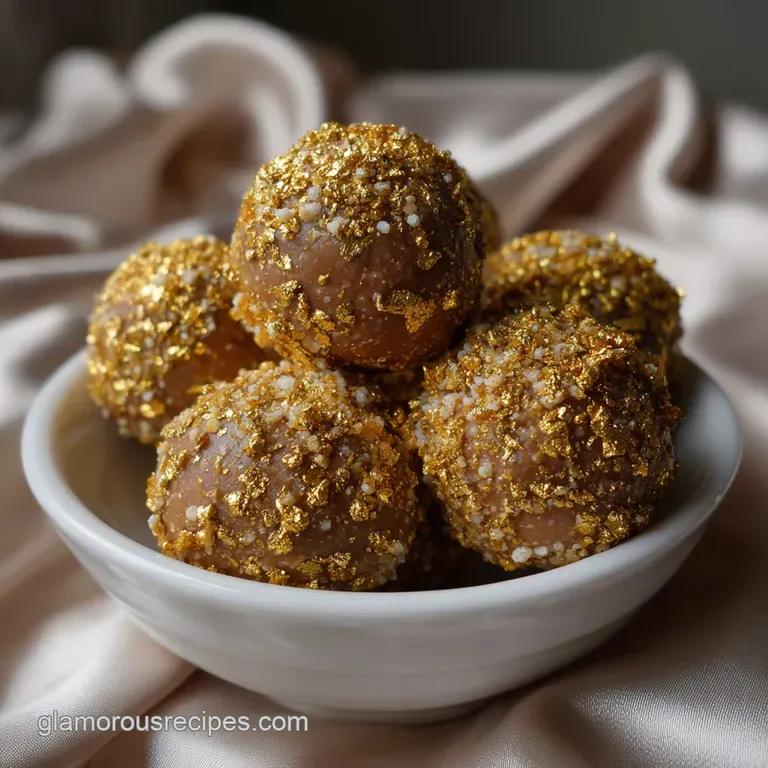
- Effort/Time: Moderate / 55 minutes (plus chilling)
- Flavor Hook: Bright, acidic Brut Champagne balanced by buttery white chocolate and a bitter dark shell.
- Perfect for: Midnight toasts, festive gift-boxes, or shimmering New Year’s Eve dessert tiers.
- Mastering the Ultimate Cute New Year Desserts Fun and
- The Molecular Magic of Fat Crystallization and Emulsion Stability
- Technical Specifications for Your Festive Confectionery Masterpiece
- The Alchemy of Selecting Elements for Your Cute New Year Desserts Fun and
- Precision Tooling: The Essential Kit for Professional Results
- The Execution Protocol: Crafting Your Midnight Masterpiece Stepwise
- Why Your Ganache Splits: Correcting Common Confectionery Failures
- Flavor Architecture: Creative Variations and Substitution Strategies
- ⚗️ The Scaling Lab: The Physics of Quantity
- Common Myths About Working With Chocolate
- Thermal Stability: Optimal Storage and Restoration Protocols
- Final Presentation: Aesthetics and Sensory Pairing Strategies
- Recipe FAQs
- 📝 Recipe Card
Mastering the Ultimate Cute New Year Desserts Fun and
I once spent forty dollars on premium couverture chocolate only to watch it turn into a grainy, oily mess because I rushed the liquid-to-fat ratio. There is nothing more frustrating than a ganache that refuses to set, leaving you with a bowl of expensive soup instead of the centerpiece for your party.
That specific failure taught me that chocolate isn't just food; it’s a temperamental solid that demands respect for its crystalline structure.
I’ve destroyed at least half a dozen batches of truffles by over boiling the cream or introducing a single drop of water into the melting pot. Every time I thought I could eyeball the measurements, the physics of the cocoa butter reminded me otherwise.
We often think "more is better," but in the world of high end confectionery, precision is the only thing that saves your budget and your sanity.
The secret to this Cute New Year Desserts Fun and isn't just the champagne; it's the science of reduction and fat crystallization. By simmering the 120ml Brut Champagne down with 15ml granulated sugar, we concentrate the flavor and lower the water content, ensuring the 340g white chocolate can still form a stable, velvety matrix.
When you bite through the 280g dark chocolate shell, you get that distinct, audible "shatter" followed immediately by a melting, effervescent center.
The Molecular Magic of Fat Crystallization and Emulsion Stability
- Reduction Concentration: Boiling the 120ml Brut Champagne evaporates water while concentrating tartaric acid and sugar, providing intense flavor without liquefying the ganache.
- Emulsion Bonding: The 60ml heavy cream acts as a bridge between the water based champagne and the fat-based white chocolate, creating a stable fat-in-water emulsion.
- Crystalline Structure: Using 280g dark chocolate couverture ensures a high concentration of cocoa butter, allowing for Type V crystal formation which gives the truffles their professional snap and glossy sheen.
- Softening Point Modulation: The 30g unsalted butter lowers the melting point of the center just enough to ensure it feels buttery on the tongue rather than waxy.
Technical Specifications for Your Festive Confectionery Masterpiece
| Ingredient | Chemical/Physical Role (Science) | The Pro Secret (Why This Matters) |
|---|---|---|
| 340g White Chocolate | Provides the structural lipid matrix | Use a brand like Valrhona with high cocoa butter; chips contain stabilizers that prevent a smooth melt. |
| 120ml Brut Champagne | Acidic flavor profile and aromatic esters | The acidity cuts through the heavy fat of the cream and butter, brightening the palate. |
| 280g Dark Chocolate | Protective hydrophobic barrier | Couverture chocolate (60 70% cacao) contains extra cocoa butter for a thinner, crispier coating. |
| 15ml Sugar | Increases viscosity of the reduction | Sugar molecules bind to water, preventing it from interfering with the chocolate’s fat crystals. |
The Alchemy of Selecting Elements for Your Cute New Year Desserts Fun and
To achieve a professional result with your Cute New Year Desserts Fun and, you must prioritize ingredient quality. I always reach for Ghirardelli 60% Cacao Bittersweet Chocolate Baking Chips or bars for the coating because the snap is incomparable.
For the center, Lindt Classic White Chocolate provides a clean, vanilla forward base that doesn't compete with the wine.
- 120ml Brut Champagne: Why this? Dry wine (Brut) prevents the 340g white chocolate from becoming cloyingly sweet. Use a mid-range bottle; the nuances of a vintage label are lost once boiled.
- 60ml Heavy Cream: Why this? Minimum 36% milk fat is required to ensure the emulsion doesn't break under the acidity of the wine.
- 30g Unsalted Butter: I prefer Kerrygold Unsalted Butter for its high fat content and lower water percentage, which aids in a silkier mouthfeel.
- 5g Edible Gold Luster Dust: This is the "fun and" element that transforms a simple ball of chocolate into a "Masterclass" level New Year's treat.
If you find yourself running low on champagne, you can use a dry Prosecco or Cava. However, avoid sweet dessert wines, as they lack the necessary acidity to balance the fats. For more festive inspiration, you might consider how these flavors complement a Top 25 New recipe during your holiday planning.
Precision Tooling: The Essential Kit for Professional Results
You cannot make high-quality Cute New Year Desserts Fun and with subpar equipment. A KitchenAid Digital Scale is mandatory; volume measurements are too imprecise for chocolate work.
- All-Clad 1 Quart Saucier: The rounded bottom prevents the 120ml champagne reduction from scorching in the corners.
- Pyrex Glass Mixing Bowls: Glass retains heat better than plastic, keeping your ganache fluid longer during the mixing phase.
- Micro Hole Silpat Mat: Essential for letting the 24 servings of truffles set without sticking to the tray.
- Fine Mesh Sieve: Used to ensure the champagne reduction is free of any cork debris or sugar crystals.
The Execution Protocol: Crafting Your Midnight Masterpiece Stepwise
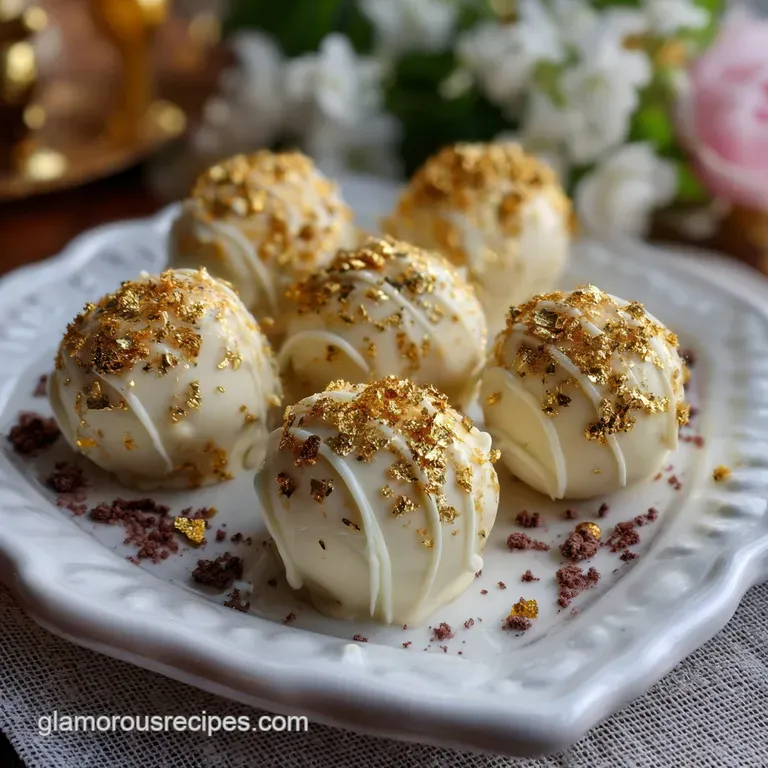
- Simmer 120ml Brut Champagne and 15ml sugar in an All-Clad Saucier for 8 minutes until liquid reduces to approximately 30ml and looks syrupy. Note: Reducing volume concentrates flavor and prevents ganache from becoming too soft.
- Finely chop 340g white chocolate and place in a Pyrex bowl. Note: Small pieces melt evenly, preventing localized overheating which causes graininess.
- Heat 60ml heavy cream in a separate pan until small bubbles appear at the edges and steam rises.
- Pour hot cream and the 30ml champagne reduction over the 340g white chocolate; let sit for 2 minutes until chocolate begins to slump and melt.
- Whisk gently from the center outward until the mixture becomes a glossy, homogenous emulsion.
- Stir in 30g softened butter and 1 pinch sea salt until completely incorporated and velvety.
- Chill the mixture in the refrigerator for 2 hours until firm enough to scoop but still pliable.
- Scoop 24 equal portions using a small melon baller and roll quickly between palms until smooth spheres form.
- Melt and temper 280g dark chocolate in a double boiler until it reaches 90°F (32°C) and looks mahogany bright.
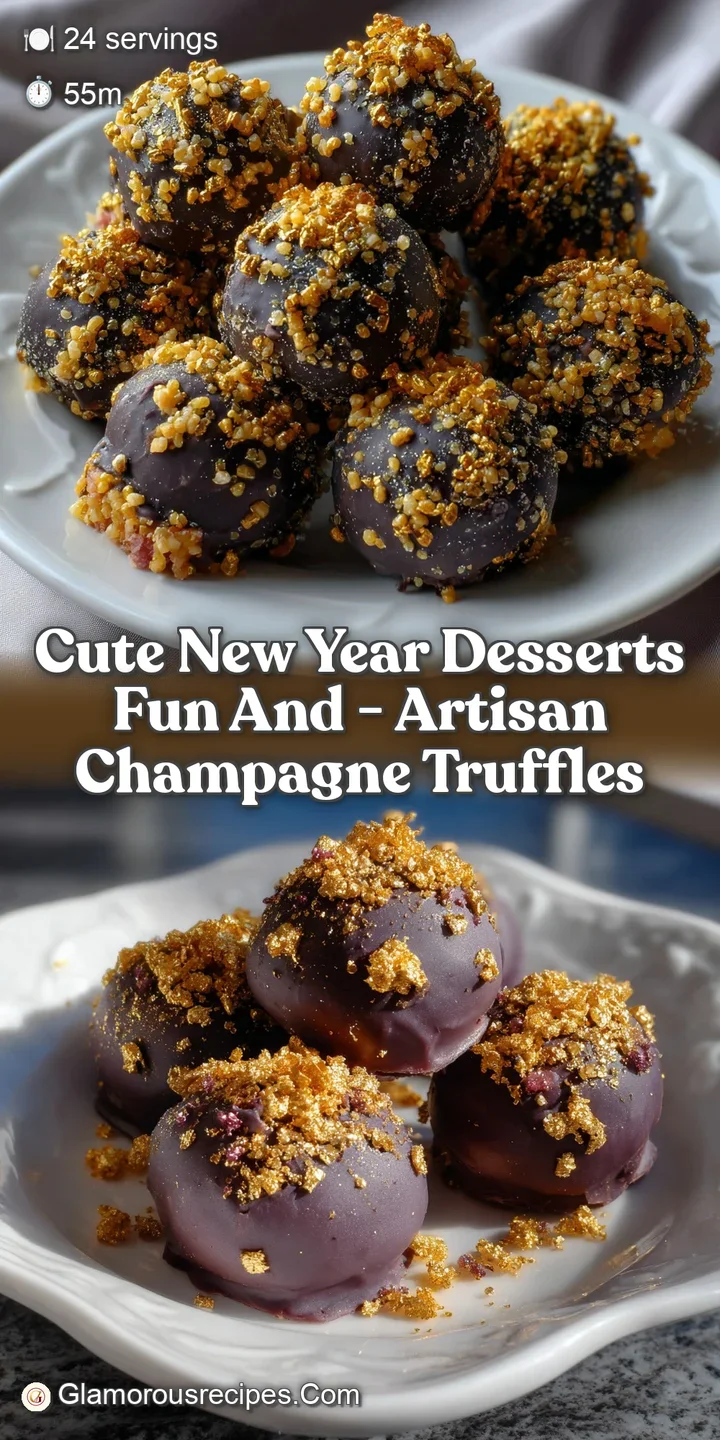
- Dip each truffle using a fork, tap off excess, and immediately garnish with 15g gold star sprinkles until the coating sets firm and shatters when tapped.
Why Your Ganache Splits: Correcting Common Confectionery Failures
Why Your Cute New Year Desserts Fun and Ganache Separates
When a ganache "breaks," you'll see a layer of yellow oil sitting on top of a grainy mass. This is caused by a breakdown of the emulsion, usually because the liquid was added too quickly or at too high a temperature.
The fat molecules (from the 340g white chocolate and 30g butter) lose their bond with the water molecules (from the cream and champagne reduction).
| Problem | Root Cause | The Fix | Pro Protocol |
|---|---|---|---|
| Grainy Texture | Chocolate seized due to water/steam | Add 1 tsp warm cream and whisk | Use a dry spatula; never cover a hot bowl with a lid (condensation). |
| Oily Separation | Emulsion broke from high heat | Whisk in a splash of cold cream | Keep liquids below 200°F (93°C) before adding to chocolate. |
| Soft/Runny Center | Insufficient reduction of champagne | Re-melt and add more chocolate | Always measure the reduction; it must be exactly 30ml. |
Flavor Architecture: Creative Variations and Substitution Strategies
The beauty of Cute New Year Desserts Fun and is its adaptability. While the champagne is classic, the physics of the recipe allows for several high level swaps. Just as you might adjust the seasoning in a Crawfish Étouffée recipe, the balance of acid and fat here can be tuned.
| Original Ingredient | Substitute | Why It Works |
|---|---|---|
| 120ml Champagne | 120ml Pomegranate Juice | High acidity and tannin profile; yields a vibrant pink center. |
| 340g White Chocolate | 340g Milk Chocolate | Higher sugar content; provides a maltier, deeper flavor profile. |
| 60ml Heavy Cream | 60ml Full Fat Coconut Milk | Similar fat content (17 20%); adds a subtle tropical note. Note: Crumb will be softer. |
The Pink 1920s Twist (Flavor Twist)
Replace the 120ml Brut Champagne with a Rosé Champagne and add 2g of freeze dried raspberry powder to the 340g white chocolate. This creates a visually stunning, blush colored center that pairs exceptionally well with the 280g dark chocolate coating.
Vegan Celebration Truffles (Dietary Swap)
Use a high-quality vegan white chocolate (cacao butter based) and sub the 60ml heavy cream for cashew cream. The 30g butter can be replaced with a refined coconut oil. The science of the reduction remains the same, ensuring the Cute New Year Desserts Fun and remains festive for all guests.
⚗️ The Scaling Lab: The Physics of Quantity
When you decide to double this recipe for a larger party, the thermodynamics of the chocolate change significantly.
- The Evaporation Paradox: If you double the 120ml champagne to 240ml but use the same small saucier, the liquid will take significantly longer to reduce, potentially scorching the sugars. You must use a wider pan to maintain the surface area-to-volume ratio.
- Thermal Mass & Setting: A double batch of ganache (680g white chocolate) has a much higher thermal mass. It will take nearly 4 hours to chill rather than 2. Do not try to rush this in the freezer, or the outside will over crystallize while the center remains fluid.
- Flavor Saturation: Scale the 1 pinch of salt to 1.5x, not 2x. Sodium ions interact more intensely in larger volumes of fat, and you don't want to overpower the delicate 30ml champagne reduction.
- Batch Dipping: Never melt all 560g of dark chocolate (doubled) at once. It will cool and thicken before you finish dipping 48 truffles. Work in batches of 280g to maintain the proper tempering temperature of 90°F.
Common Myths About Working With Chocolate
- Myth: "You must use the most expensive champagne for the best flavor."
- Truth: The subtle notes of a $200 bottle are destroyed by the boiling process. Use a solid $20 30 Brut; the acidity and sugar content are what matter for the Cute New Year Desserts Fun and structure.
- Myth: "White chocolate is just 'fake' chocolate."
- Truth: high-quality white chocolate (like our 340g requirement) consists of cocoa butter, milk solids, and sugar. It is the cocoa butter that provides the essential fat-structure for the ganache.
- Myth: "If the ganache is too soft, just put it in the freezer."
- Truth: Freezing creates large ice crystals from the water in the cream, which will ruin the velvety texture once thawed. If it's soft, you need more chocolate solids or a tighter champagne reduction.
Thermal Stability: Optimal Storage and Restoration Protocols
These Cute New Year Desserts Fun and truffles are sensitive to temperature fluctuations. Because they contain fresh 60ml heavy cream and 30g butter, they must be handled with care to avoid spoilage or "blooming" (where the cocoa butter rises to the surface, creating white streaks).
- Refrigerator: Store in an airtight container for up to 2 weeks. Place a piece of parchment paper between layers to prevent the 15g gold star sprinkles from scratching the chocolate shell.
- Freezer: Truffles freeze beautifully for up to 2 months. To prevent condensation (which makes the 280g dark chocolate shell tacky), thaw them in the refrigerator for 24 hours before moving to room temperature.
- Room Temp: Only keep them out for 4 6 hours during a party. The ganache center is stable, but the 340g white chocolate matrix will soften if the room exceeds 75°F (24°C).
💡 ZERO WASTE PHILOSOPHY: Don't discard the leftover 280g dark chocolate from the dipping bowl. Transform: Spread it thin on parchment, sprinkle with leftover 5g gold luster dust and any remaining 15ml sugar, then break into "Midnight Bark." Science: The tempered chocolate will remain crisp and snappy, providing a second dessert with zero extra effort.
Final Presentation: Aesthetics and Sensory Pairing Strategies
To truly showcase your Cute New Year Desserts Fun and, serving temperature is critical. Pull them from the fridge 20 minutes before serving. This allows the 30g butter in the center to soften just enough to become "velvety," while the 280g dark chocolate shell remains cold enough to "shatter" upon impact.
The Midnight Toast Pairing
Serve these truffles alongside a glass of the same Brut Champagne used in the reduction. The carbonation in the wine acts as a palate cleanser, cutting through the 11.1g of fat per serving and prepping the tongue for the next bite.
The gold luster dust will catch the light of the champagne bubbles, creating a cohesive visual experience.
Edible Clock Display
Arrange the 24 servings in a circle on a large slate platter. Use thin slivers of the leftover dark chocolate to create "clock hands" pointing to midnight. This turns your Cute New Year Desserts Fun and into a narrative piece that guests will be talking about long after the ball drops.
Trust me, the effort you put into the 120ml reduction and the 55 minutes of active prep will be evident in every shimmering, star topped bite.
Recipe FAQs
What is the key ingredient for the truffle's effervescence?
Concentrated Brut Champagne reduction. Simmering the 120ml wine evaporates water, intensifying flavor compounds without destabilizing the ganache emulsion.
Is using salted butter acceptable in the ganache?
No. Use unsalted butter for precision control. Salted brands vary (80-200mg sodium per tbsp), making standardization impossible. Unsalted lets you adjust salt based on cheese/bacon content.
Why did my ganache turn grainy and oily after adding the champagne?
Cold cheese added to hot liquid causes protein clumping. Temperature shock denatures casein proteins, creating grainy texture instead of smooth emulsion.
- Remove pan from heat first
- Add cheese in small handfuls
- Use fresh grated Gruyère (pre-shredded has cellulose coating)
Can I substitute the 280g dark chocolate coating with milk chocolate?
Stick to dark chocolate couverture for the snap. Milk chocolate has a lower cocoa solid content, resulting in a softer, duller shell that lacks the essential audible "shatter" characteristic of high end truffles.
Myth: I must use expensive vintage champagne for peak flavor.
Myth: You must use expensive vintage champagne for peak flavor. Reality: The nuanced esters are destroyed during the required boiling reduction step; focus on a dry Brut profile.
Myth: Freezing soft ganache is the quickest fix for a runny center.
Myth: Freezing soft ganache is the quickest fix for a runny center. Reality: Rapid freezing forms large ice crystals from the cream's water, which irreversibly compromises the smooth fat-in-water emulsion upon thawing.
What is the best method to achieve a glossy, professional dark shell finish?
Tempering the 280g dark chocolate to 90°F (32°C). This controlled heating and cooling process encourages the cocoa butter to form stable Type V crystals, providing superior snap and gloss.
Champagne Truffles For New Year
Ingredients:
Instructions:
Nutrition Facts:
| Calories | 164 kcal |
|---|---|
| Protein | 1.5 g |
| Fat | 11.1 g |
| Carbs | 14.4 g |
| Fiber | 1.1 g |
| Sugar | 12.3 g |
| Sodium | 14 mg |
