Cajun Butter Sauce: Velvety and Spice-Forward
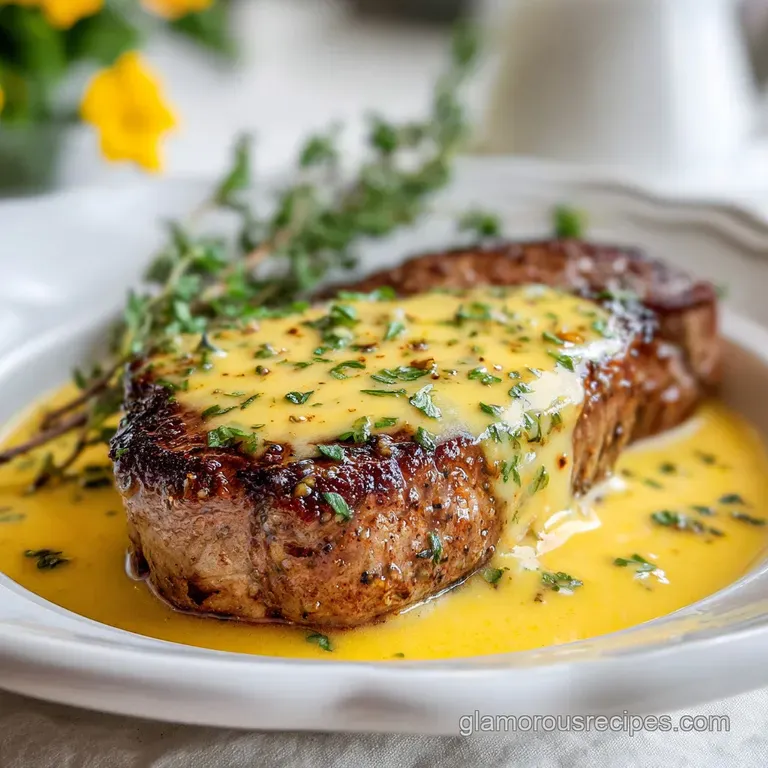
- Time: Active 5 minutes, Passive 5 minutes, Total 10 minutes
- Flavor/Texture Hook: Pungent, velvety, and spice forward
- Perfect for: Seafood boils, steak dipping, or a quick weekday pasta upgrade
- Discover the Best Cajun Butter Sauce Secrets
- Science Behind the Velvety Texture
- Analysis of the Key Components
- High Quality Elements for Deep Flavor
- Necessary Tools for Silky Results
- Simple Steps for Aromatic Infusion
- Professional Methods and Common Errors
- Modifying the Sauce for Everyone
- Smart Storage and Leftover Ideas
- Ideas for Your Sunday Dinner
- Cajun Butter Sauce FAQs
- 📝 Recipe Card
Discover the Best Cajun Butter Sauce Secrets
Can you hear that? The minute the garlic hits that bubbling pool of gold, it starts to sizzle and release that intoxicating, pungent aroma that defines Southern comfort cooking. Honestly, I used to think a great Cajun butter sauce was just melted sticks of fat with a shake of spice, but I was so wrong.
I remember one Sunday dinner where I rushed it, burnt the garlic, and ended up with a bitter mess that ruined three pounds of beautiful shrimp. It was heartbreaking, but it taught me that the secret isn't just the heat, it's the timing and the "bloom."
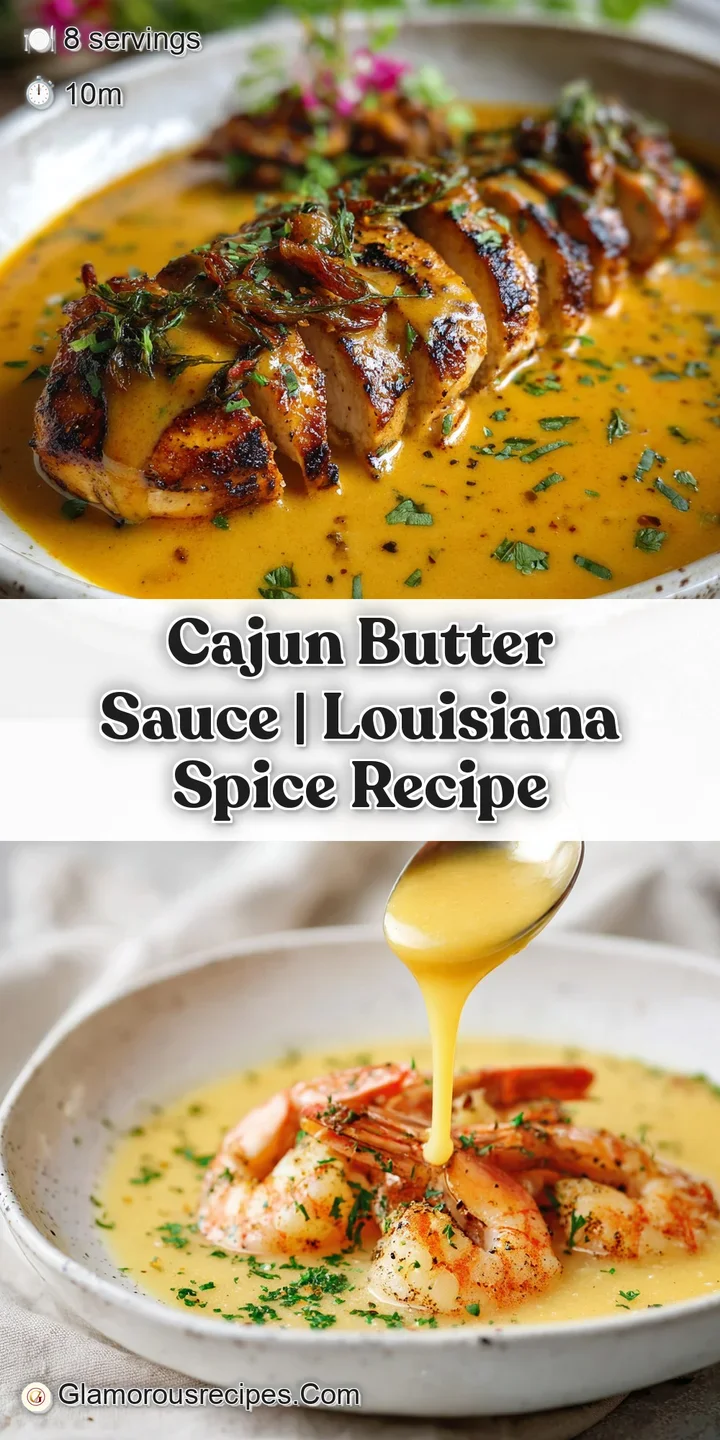
We are talking about a sauce that is velvety, rich, and carries just enough heat to make your tongue tingle without masking the sweetness of fresh seafood. It is the kind of recipe that makes people ignore their forks and just dive in with their hands.
Whether you are drenching a massive seafood boil or just looking for a way to liven up a Tuesday night chicken breast, this is the one. I've stripped away all the unnecessary fluff to give you what actually works in a real kitchen.
This isn't about fancy techniques; it's about respecting the ingredients. We're going to treat that butter like a canvas for the smoked paprika and oregano, ensuring every drop is packed with the spirit of New Orleans. If you've ever felt like your homemade sauces were a bit thin or one dimensional, stick with me.
We are going to fix that right now with a few tricks I've picked up over years of trial and error in my own kitchen.
Science Behind the Velvety Texture
Lipid Infusion: The fats in the butter act as a solvent, extracting fat soluble flavor compounds from the Cajun seasoning and garlic that water based liquids simply can't reach.
The Bloom Effect: Heating dried spices in fat triggers a chemical reaction that releases essential oils, significantly increasing the aromatic intensity and depth of the sauce.
| Cooking Method | Active Time | Texture Outcome | Best For |
|---|---|---|---|
| Stovetop | 5 minutes | Emulsified and glossy | Quick meals and seafood boils |
| Small Slow Cooker | 5 minutes | Deeply infused and darker | Large parties or keep warm dipping |
| Oven (Foil Packet) | 2 minutes | Steamed and mild | Individual portions of fish |
The stovetop remains my absolute favorite because you have total control over the garlic's color. If you're hosting a big Sunday dinner, the stovetop allows you to monitor the sizzle and ensure the butter doesn't reach the smoking point, which would destroy the delicate milk solids we want to keep for that silky mouthfeel.
Analysis of the Key Components
Understanding your ingredients is the difference between a "good" sauce and one that people beg for. When we look at our 1 cup (225g) of unsalted butter, we aren't just looking at fat; we are looking at the carrier for every other flavor in this recipe.
| Component | Science Role | Pro Secret |
|---|---|---|
| Unsalted Butter | Flavor Carrier | Use high fat European style butter for a richer, more velvety finish. |
| Fresh Garlic | Aromatic Base | Mince by hand rather than using a press to avoid releasing bitter sulfur compounds. |
| Cajun Seasoning | Flavor Profile | Bloom this in the warm butter for 60 seconds to wake up the dried herbs. |
| Lemon Juice | Acid Balance | Add at the very end to prevent the acid from breaking the butter emulsion. |
Choosing unsalted butter is non negotiable for me because most store-bought Cajun seasonings are salt heavy. By starting with a clean slate, you control the seasoning rather than the seasoning controlling you. While we're talking about building a great meal, this sauce pairs beautifully with something hearty; for instance, if you're planning a massive spread, you might consider how the richness here contrasts with a Manicotti With Meat recipe if you're doing a fusion style family feast.
high-quality Elements for Deep Flavor
- 1 cup (225g) Unsalted Butter: Provides the rich, creamy foundation. Why this? high-quality fat carries the spice heat better than oil.
- 4 cloves (20g) Fresh Garlic, finely minced: Adds the essential pungent kick. Why this? Fresh garlic provides a sweetness that powder simply cannot mimic.
- 2 tbsp (15g) Cajun Seasoning: The heart of the flavor profile. Why this? Contains the paprika, cayenne, and thyme ratio needed for authenticity.
- 1 tsp (2g) Smoked Paprika: Adds a subtle wood fired depth.
- 1/2 tsp (1g) Onion Powder: Provides a savory, umami background note.
- 1/4 tsp (0.5g) Dried Oregano: Adds an earthy, herbal finish.
- 1 tbsp (15ml) Fresh Lemon Juice: Cuts through the heavy fat. Why this? Brightness balances the intensity of the Cajun spices.
- 1 tsp (5ml) Worcestershire Sauce: Adds complexity and saltiness.
- 1 tbsp (4g) Fresh Parsley, finely chopped: For color and a clean, grassy finish.
Chef's Tip: Freeze your butter for 10 minutes before starting, then cube it. This ensures it melts evenly without the water and fat separating too quickly, which helps maintain a stable, velvety emulsion.
Necessary Tools for Silky Results
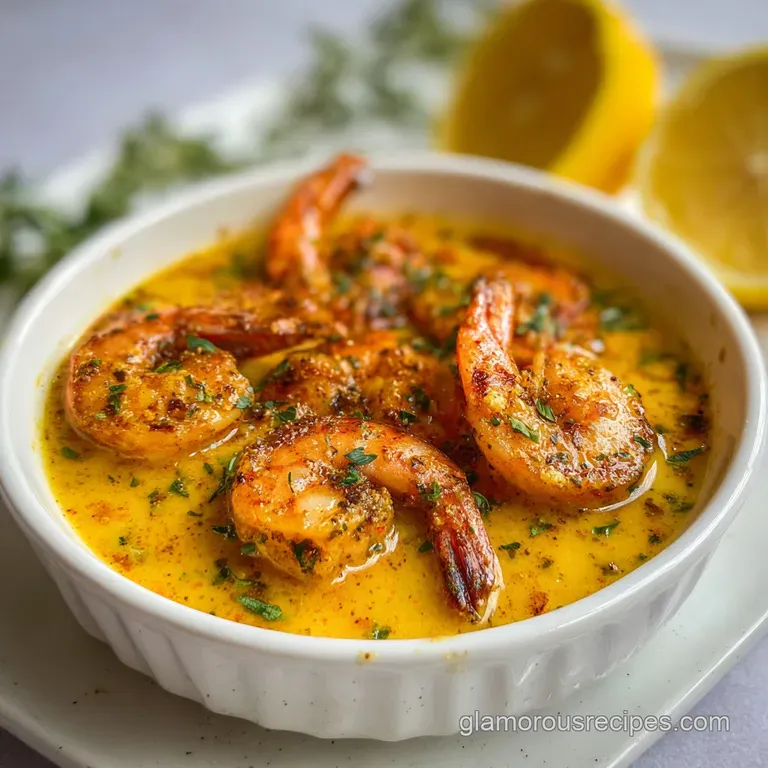
You don't need a professional kitchen, but a heavy bottomed saucepan is your best friend here. Cheap, thin pans have hot spots that will scorch your garlic before the butter even finishes melting. I personally use a small cast iron skillet or a stainless steel butter warmer.
You'll also want a whisk to keep the spices suspended in the fat; otherwise, they’ll just sink to the bottom of the bowl.
A sharp chef's knife is also vital. We want the garlic finely minced, not smashed into a paste. Smashing the garlic releases more of the enzymes that create "garlic breath" and bitterness. A clean, sharp mince allows the garlic to soften and sweeten in the butter, creating a much more sophisticated flavor profile.
Simple Steps for Aromatic Infusion
- Mince the aromatics. Take your 4 cloves of garlic and mince them as finely as possible. Note: Consistent size ensures they all cook at the same rate.
- Melt the foundation. Place the 1 cup of unsalted butter in a small saucepan over medium low heat. Cook until the butter is liquid and just starting to show tiny bubbles.
- Infuse the garlic. Add the minced garlic to the warm butter. Sizzle for 1 to 2 minutes until the kitchen smells intensely fragrant but the garlic is still pale gold.
- Bloom the spices. Stir in the 2 tbsp of Cajun seasoning, 1 tsp smoked paprika, 1/2 tsp onion powder, and 1/4 tsp dried oregano. Note: This heat "activates" the dried herbs.
- Whisk the liquids. Pour in the 1 tsp of Worcestershire sauce and the 1 tbsp of fresh lemon juice. Whisk vigorously until the sauce looks glossy and unified.
- Simmer gently. Let the mixture sit on the lowest heat setting for another 2 minutes. Wait for the color to deepen to a rich, sunset orange.
- Add the fresh finish. Stir in the 1 tbsp of finely chopped parsley just before serving.
- Final check. Taste a small drop. If it’s too spicy, add a tiny pinch of brown sugar; if it’s too flat, add another squeeze of lemon.
The aroma checkpoint here is crucial: at step three, you should smell a sweet, nutty garlic scent. If it starts to smell acrid or sharp, you’ve gone too far pull it off the heat immediately!
Professional Methods and Common Errors
One of the biggest mistakes I see people make with a Cajun butter sauce is using high heat. Butter has a low smoke point, and the milk solids will burn, leaving black specks and a "burnt toast" flavor in your sauce. Low and slow is the secret to that restaurant style finish.
Preventing Bitter Burnt Garlic Notes
If your garlic turns dark brown or black, it’s game over. The bitterness will permeate the entire cup of butter. To avoid this, always add your garlic to the butter when it’s barely melted, not screaming hot. If the butter is already foaming, it's too hot for the garlic.
Fixing a Broken Sauce
A "broken" sauce is when the fat separates from the solids, leaving a greasy mess. This usually happens if the lemon juice is added too fast or the sauce gets too hot. To fix it, remove it from the heat and whisk in a teaspoon of warm water very quickly. This helps re bind the emulsion.
| Problem | Root Cause | Solution |
|---|---|---|
| Gritty Texture | Spices didn't bloom | Simmer on low for 2 extra mins to soften dried herbs |
| Excessively Salty | Seasoning blend had high salt | Add a splash of heavy cream or unsalted butter |
| Thin/Watery | Too much lemon/Worcestershire | Whisk in a cold cube of butter away from heat |
Common Mistakes Checklist: ✓ Never leave the pan unattended; butter can turn from melted to burnt in 30 seconds. ✓ Use fresh lemon juice only; bottled juice has a metallic aftertaste that ruins the spices.
✓ Pat your seafood dry before dipping; excess water will dilute the sauce and break the emulsion. ✓ Whisk the sauce right before serving to ensure the spices are evenly distributed.
Modifying the Sauce for Everyone
If you're cooking for a crowd with different needs, this sauce is surprisingly adaptable. For a dairy-free version, you can substitute the butter with a high-quality vegan butter stick (look for one with a high oil content like Miyoko’s).
The flavor will be slightly different, but the Cajun spices are bold enough to carry it.
If you are trying to keep things a bit lighter, you can't really "lower the fat" in a butter sauce, but you can increase the volume without adding more butter. I sometimes whisk in 1/4 cup of low sodium chicken stock at the very end. It thins the sauce slightly but keeps the flavor profile intact.
For those who want more kick, a dash of hot sauce or an extra teaspoon of cayenne pepper will do the trick nicely.
Smart Storage and Leftover Ideas
This sauce stores beautifully. I usually double the batch because having a jar of this in the fridge is like having a cheat code for dinner. You can keep it in an airtight glass jar in the fridge for up to 1 week.
It will solidify into a compound butter, which is actually fantastic for spreading on toasted French bread or melting over a steak.
For long term storage, you can freeze it in ice cube trays. Once frozen, pop the cubes into a freezer bag. They’ll stay fresh for up to 3 months. When you're ready to use them, just melt a couple of cubes in a pan over low heat.
For a zero waste tip: if you have just a tablespoon or two left, toss it with some leftover roasted potatoes or use it to sauté some morning eggs. It’s a total game changer for breakfast.
Ideas for Your Sunday Dinner
When I think of Sunday dinner, I think of big platters and happy faces. This Cajun butter sauce is the star of the show when served with a massive pile of peel and eat shrimp or Dungeness crab legs. But don't stop there. I love serving this alongside a classic Horseradish Sauce recipe when I have a surf and turf night; the spicy butter for the lobster and the creamy horseradish for the prime rib is a match made in heaven.
- If you want a thicker dip, whisk in a tablespoon of heavy cream at the very end.
- If you want a glaze, simmer the sauce for an extra 5 minutes until it reduces slightly.
- If you want a pasta sauce, toss this with fettuccine and a splash of pasta water for an instant meal.
Honestly, this sauce is so versatile that I've even caught my husband dipping pizza crusts into the leftovers. It’s that good. Just remember: keep the heat low, use fresh garlic, and don't skip the lemon. You're going to do great!
Cajun Butter Sauce FAQs
What are the ingredients of Cajun butter sauce?
Primarily butter, garlic, Cajun seasoning, lemon juice, and Worcestershire sauce. You'll also typically find smoked paprika, onion powder, oregano, and fresh parsley for added depth and freshness.
Is butter sauce just butter and pasta water?
No, a true Cajun butter sauce is much more complex. While some simple butter sauces might use pasta water, Cajun butter sauce relies on a specific blend of spices bloomed in butter for full flavor extraction, enhanced with aromatics like garlic and a touch of acid.
What's the secret to great Cajun flavor?
Blooming the spices in warm butter is key. This process releases their essential oils, intensifying their aroma and flavor, much like how the fat in our Sardines in Tomato Sauce: Rich, Umami Dinner recipe helps carry flavors.
How to thicken Cajun butter sauce?
Gently simmer the sauce for a few extra minutes. This reduces the liquid content, concentrating the flavors and slightly thickening the emulsion without needing any added thickeners. Be careful not to overheat or it can break.
Can I make Cajun butter sauce dairy-free?
Yes, substitute with a high-quality vegan butter. Look for options with a high oil content to best mimic the texture and richness of dairy butter.
How long does Cajun butter sauce last?
It keeps well in the refrigerator for up to one week. Store it in an airtight container; the solidified sauce can be spread like compound butter or easily re-melted for use.
What is the best way to store leftover Cajun butter sauce?
Refrigerate in an airtight container for up to a week. For longer storage, freeze in ice cube trays and transfer the frozen cubes to a freezer bag for up to three months.
Cajun Butter Sauce
Ingredients:
Instructions:
Nutrition Facts:
| Calories | 213 kcal |
|---|---|
| Protein | 0.4 g |
| Fat | 23.1 g |
| Carbs | 2.4 g |
| Fiber | 0.3 g |
| Sugar | 0.3 g |
| Sodium | 38 mg |
