Christmas Cookies: Best Buttery Stained-Glass Cutouts
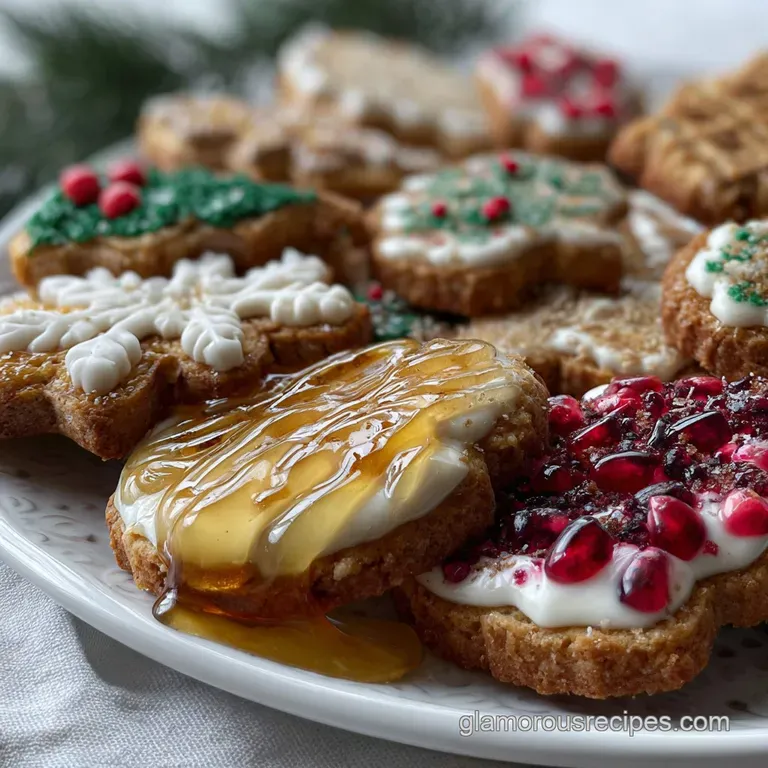
- The Buttery Brilliance: Introducing Stained-Glass Holiday Cookies
- The Science of Tender: Achieving That Perfect Melt-in-Your-Mouth Texture
- Gathering Your Supplies: Key Ingredients for Stained-Glass Christmas Cutouts
- Crafting Your Edible Masterpiece: Step-by-Step Method
- Troubleshooting Your Cutouts: Expert Tips for Cookie Baking Success
- Preservation and Planning: Storage and Freezing Methods
- Recipe FAQs
- 📝 Recipe Card
The Buttery Brilliance: Introducing Stained Glass Holiday Cookies
Oh my gosh, that smell. When the vanilla and almond hit the hot butter in the oven? It’s the pure essence of holiday magic, isn’t it? These incredible stained glass Christmas Cookies aren't just baking; they're creating atmosphere, transforming simple butter dough into glittering, edible jewels.
Every year, I get nervous about making a showstopper, but this recipe is the biggest secret weapon in my arsenal. They look complicated, like you need specialized skills, but trust me, these festive Christmas Cookies are deceptively easy once you master the chilling process.
They are stable, they hold their shape perfectly, and they generate the best "oohs" and "aahs" when you deliver them.
We’re combining the richness of European shortbread with the fun of hard candy, creating a recipe that is absolutely flawless. Let's crack on and make the most stunning Christmas Cookies you have ever seen.
The Science of Tender: Achieving That Perfect Melt-in-Your Mouth Texture
Why These Are the Ultimate Edible Christmas Ornaments
This isn't just another boring sugar cookie recipe; we are aiming for something rich, something that snaps, and something that genuinely melts away the second it touches your tongue. Achieving that delicate crumb in your Christmas Cookies comes down to controlling the fat and liquid.
The high butter content provides flavor and tenderness, while the meticulous technique ensures they don't spread into tragic blobs.
Decoding the Recipe: Buttery Shortbread Meets Hard Candy Magic
The secret to why this shortbread base is superior to many other Holiday Cookie Recipes is the addition of a single egg yolk. Most shortbread skips eggs entirely, but that one yolk adds richness and just enough binding protein to ensure the cookie stays together when we cut out that delicate inner window.
The resulting dough is sturdy enough for cutting but remains perfectly crumbly once baked.
The History and Appeal of European Butter Cutouts
I first tried a version of these buttery treats while traveling in Austria, where simple butter cookies reign supreme. Their appeal lies in their simplicity and the pure expression of butter flavor.
We are giving that tradition a modern twist with the stained glass, turning them into genuinely festive Christmas Cookies Recipes that make amazing gifts.
The Role of Cold Butter in Flaky, Stable Dough
This is the most important tip I can give you. The butter must start cold, and the dough must always be kept cold. When the cold butter hits the hot oven, the tiny pockets of moisture rapidly turn to steam, creating that lovely lift and light structure.
If your dough is warm, the butter melts before it hits the oven, resulting in flat, greasy Christmas Cookies .
The Secret to Ultra Smooth, Crisp Edges
You need to roll the dough to a precise 5 6 mm thickness. Uneven dough bakes unevenly; you'll end up with burned edges and raw centers. I highly recommend investing in a rolling pin with adjustable guides. It changed my life (and made my cookies look professionally uniform).
A Hint of Almond: Enhancing the Classic Vanilla Profile
I swear by the combo of vanilla and almond extract for cutouts. Vanilla is great, but almond adds a complex, slightly marzipan like nuance that really screams "holiday." It elevates these from just good cookies to the best Christmas Cookies on the plate.
If you aren't an almond fan, don't worry, you can always omit it and simply double the vanilla.
Gathering Your Supplies: Key Ingredients for Stained Glass Christmas Cutouts
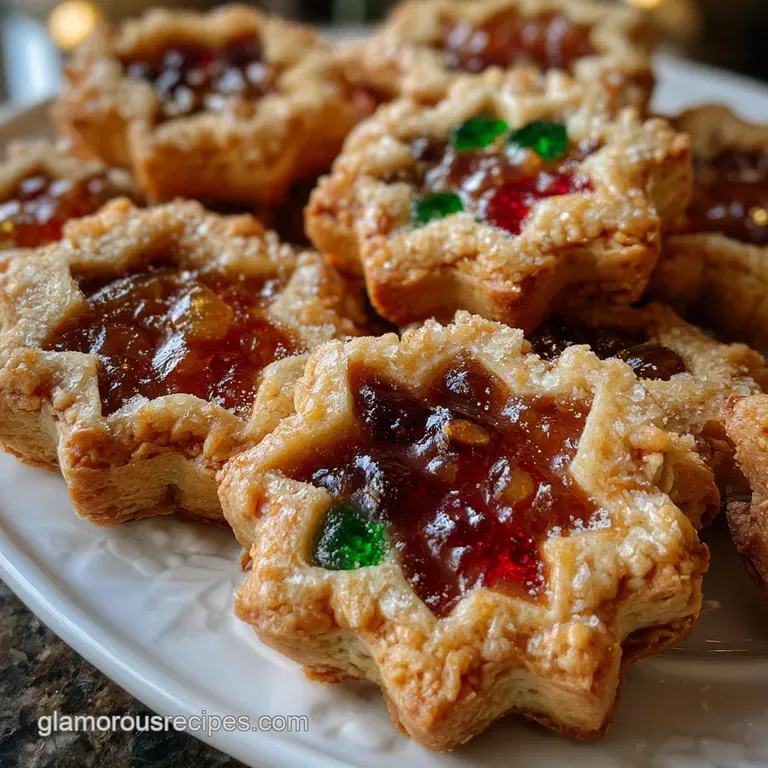
We need pristine, high-quality ingredients to let that butter flavor shine. This is where the magic happens for truly special Christmas Cookies .
Selecting the Best Hard Candies for Vibrant Windows
You need hard, clear, boiled sweets think Jolly Ranchers, pre-wrapped fruit drops, or peppermints. Avoid anything opaque or creamy. Red, green, and yellow candies look incredible. My personal favorite are the clear lemon ones for a bright, sunny center.
Butter Selection: Salted vs. Unsalted and Why It Matters
Always choose unsalted butter. Always. Why? Because using unsalted butter allows you to control the exact amount of salt you add. Different brands of salted butter have wildly different sodium levels, and consistent salt is key to balancing the sweetness in this Easy Christmas Cookie Recipe.
Essential Substitutions for Common Allergies and Dietary Needs
| Ingredient | Substitution | Notes/Caveats |
|---|---|---|
| All-Purpose Flour | 1:1 gluten-free Blend | Ensure it contains xanthan gum for binding. |
| Unsalted Butter | Solid Vegan Butter Block | Must be a block, not the spreadable tub variety. |
| Large Egg Yolk | 1 Tbsp Dairy/Non-Dairy Milk | Use only if necessary; the yolk adds unmatched richness. |
| Almond Extract | Lemon or Peppermint Extract | Use half the amount, as these are potent! |
Tools Checklist: Which Cutters and Pans You Will Need
To make these stained glass beauties, you need two sizes of cutters: a large exterior shape (stars, trees, bells) and a smaller interior shape (circles, diamonds, tiny squares). You also need parchment paper don't try baking these directly on greased trays! The melted candy will stick like glue.
And remember that drinking straw for the optional hanging holes!
Crafting Your Edible Masterpiece: step-by-step Method
Making truly beautiful Christmas Cookies requires patience, especially during the chilling phase. Follow these steps precisely for cookie perfection.
Mixing the Dough: Avoiding Overworking for Maximum Tenderness
Cream the butter and sugar until it's super fluffy and light, like whipped cream, which takes about 3- 4 minutes on medium speed. Once you add the flour, however, mix only until the dough just comes together; about 30 seconds.
Overmixing develops gluten, leading to tough, chewy cookies, and we want tender, melt-in-your mouth shortbread here.
The Precision Cutout: Creating the Inner Window
Once the dough is chilled rock solid (minimum 90 minutes!), roll it out to 1/4 inch thickness. Use the large cutter, then immediately use the smaller cutter to stamp out the window center. Quickly transfer these cutouts to your parchment lined baking sheet.
Chef's Note: If your kitchen is warm, put the baking sheet with the freshly cut cookies into the fridge for 10 minutes before filling them. That cold blast keeps the edges razor sharp.
Crushing and Melting the Candy: Achieving the Glass Effect
Place your candies in a sturdy zip-top bag and smash them into varying sizes from fine sand to small pebbles. The varied texture helps the candy melt evenly and fill the hole. Spoon the crushed candy into the windows, filling them almost level with the dough. Don't let it overflow the edges!
Perfect Baking Times for Golden Edges (and Clear Centers)
Bake your Christmas Cookies at 350°F (175°C) for 10– 12 minutes. The edges should be a pale gold, and the candy centers should be completely melted and perfectly clear. They will look molten and bubbly when you take them out. Do not touch them.
Let them cool on the sheet until the candy is completely hard, about 20– 30 minutes. Moving them too soon will crack the fragile "glass."
Troubleshooting Your Cutouts: Expert Tips for Cookie Baking Success
Even the most experienced bakers run into snags, especially when making delicate Festive Christmas Cookies Recipes . Here are the fixes you need.
Preventing the Dough from Sticking to Your Cutters
If your dough is cold, this shouldn't happen much. If it does, dust your cutters with a light coating of flour between shapes. Alternatively, instead of flouring the counter, try rolling the dough between two large sheets of parchment paper. This keeps the butter content higher and prevents dry, tough edges. This trick also works great when making Sugar Cookies: The Best Cut-Out Recipe That Holds Its Shape .
How to Fix Cloudy or Bubbled Candy Centers
Cloudy candy often means you added too much candy, or the oven temperature was too high, causing it to burn quickly. If the candy bubbles excessively, try pre-baking the cookies for 5 minutes before adding the candy.
Then, add the candy and continue baking for 5– 7 minutes. This gives the dough a head start.
Dealing with Fragile Cookie Edges Post Bake
Because we are dealing with a shortbread dough that is deliberately crumbly, the edges are delicate, especially around the window cutouts. Make sure you use a flat spatula to transfer them, or better yet, don't move them at all until they are 100% cooled and the candy is completely solid.
Patience here saves tears later.
Preservation and Planning: Storage and Freezing Methods
We all love making amazing Christmas Cookies , but often we have to bake them weeks ahead! Knowing how to store them is crucial.
Freezing Cookie Dough vs. Baked Cookies (Best Practices)
I highly recommend freezing the dough, not the baked cookies. Shape the dough into discs and wrap them tightly in plastic wrap, then place them in a zip-top freezer bag. They freeze beautifully for up to 3 months. When ready to bake, thaw them overnight in the fridge before rolling and cutting.
Maintaining Candy Clarity During Long Term Storage
The only downside to these gorgeous creations is moisture. High humidity makes the candy tacky or sometimes cloudy over time. Store the completely cooled Christmas Cookies in a single layer in an airtight container at cool room temperature. Avoid refrigerating the finished cookies, as the condensation will ruin the clarity of the candy glass. You can also bake up a batch of something like Christmas Crack: The 10 Minute Toffee Bark Recipe You Need right alongside them, as that needs dry storage too!
Best Beverages to Pair with Buttery Cutouts (Hot Chocolate and Tea)
Because these are rich and buttery, they need a robust drink pairing. Nothing beats a steaming cup of high-quality hot cocoa, preferably topped with whipped cream. For something less decadent, an Earl Grey or a spicy chai tea cuts through the richness of these buttery Christmas Cookies perfectly.
These are the best cookies to enjoy while watching a holiday movie!
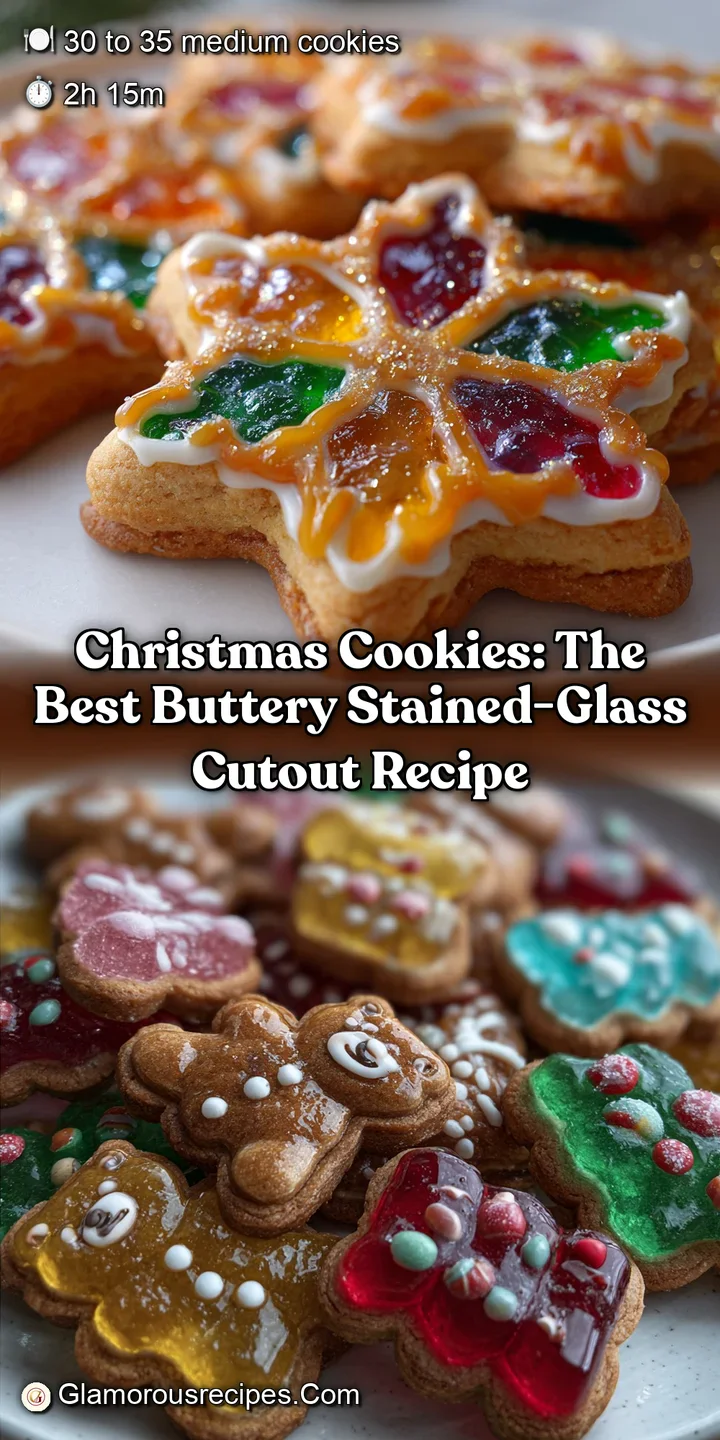
Recipe FAQs
Why did the "stained glass" center bubble, crack, or cloud up instead of staying perfectly clear?
This usually happens if the oven temperature is too high, causing the candy to burn slightly, or if the initial candy pieces were too large. Ensure your oven thermometer is accurate and that the crushed candy resembles coarse sand, not gravel.
For the clearest result, stick strictly to clear, highly pigmented hard candies, avoiding opaque or cream filled varieties.
My cookies look tough and dry after baking. What might have gone wrong with the buttery texture?
A tough texture often results from overworking the dough, which quickly develops gluten, especially once flour is added. Ensure you stop mixing immediately once the dry ingredients are just incorporated, and handle the dough as little as possible during rolling.
Also, verify you haven't added too much flour during the rolling process.
What type of hard candy works best for the 'glass' effect, and are there any I should avoid?
The best candidates are clear, individually wrapped, and highly pigmented hard candies, such as Jolly Ranchers or classic Life Savers, as they melt cleanly and maintain transparency.
Avoid using powdery candies, chewy sweets, or naturally cloudy candies like butterscotch, as they will not melt into a smooth, transparent window. You can mix colors for a custom look, but crush them separately.
My cookie cutouts spread significantly while baking and lost their defined shape. How can I prevent this?
Spreading is usually caused by insufficient chilling; the high butter content needs to be very cold and firm before hitting the oven heat. Try placing the already cut cookie shapes directly onto the baking sheet and chilling them in the freezer for 10 15 minutes before baking.
Additionally, ensure your oven is fully preheated and that your baking sheet is cool, not warm.
How long can I store these cookies, and is it safe to freeze them?
Properly stored, the baked cookies will stay fresh in an airtight container at room temperature for up to two weeks, though the candy windows look their best in the first week. We do not recommend freezing the baked cookies, as the rapid temperature changes can cause the candy centers to sweat or crack upon thawing.
Instead, freeze the unbaked dough.
Can I prepare the dough ahead of time and refrigerate or freeze it for later use?
Yes, this dough is excellent for making ahead due to its high butter content. Wrap the dough discs tightly in plastic wrap and refrigerate them for up to 3 days, or freeze them for up to 3 months.
If freezing, allow the dough to thaw overnight in the refrigerator before rolling, and let it stand at room temperature for about 15 minutes to prevent cracking.
I have dietary restrictions. Can this recipe be adapted to be gluten-free or dairy-free?
This recipe can be successfully adapted to be gluten-free by swapping the AP flour for a high-quality 1:1 gluten-free baking blend that contains xanthan gum. For a dairy-free variation, substitute the butter with a high-quality vegan butter stick specifically designed for baking, ensuring it remains very cold during the mixing and chilling process.
Note that these variations may slightly impact the final tenderness.
Buttery Stained Glass Christmas Cookies
Ingredients:
Instructions:
Nutrition Facts:
| Calories | 160 calories |
|---|---|
| Fat | 8 g |
| Fiber | 0.5 g |
