Brown Sugar Glazed Carrots Recipe
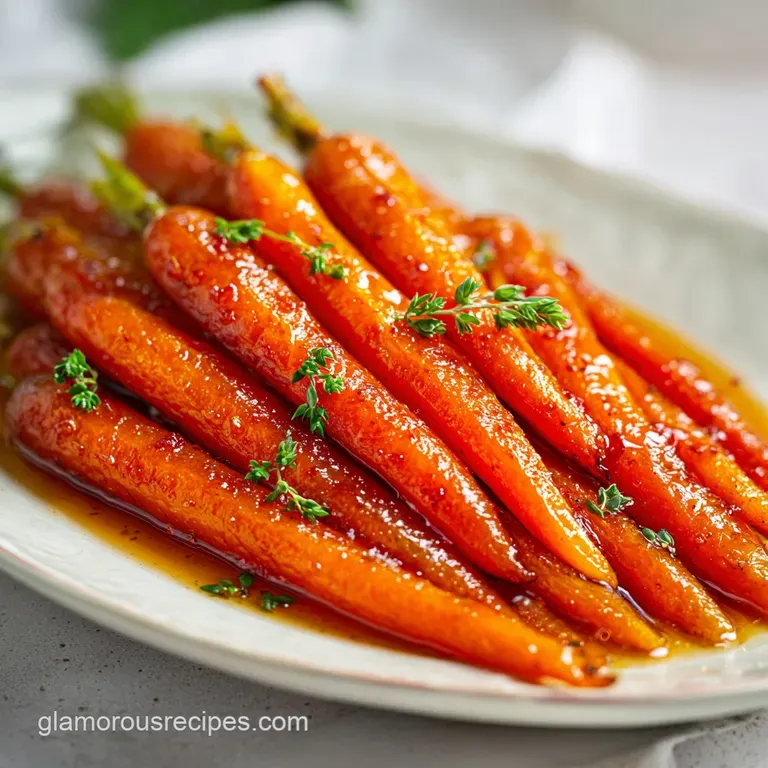
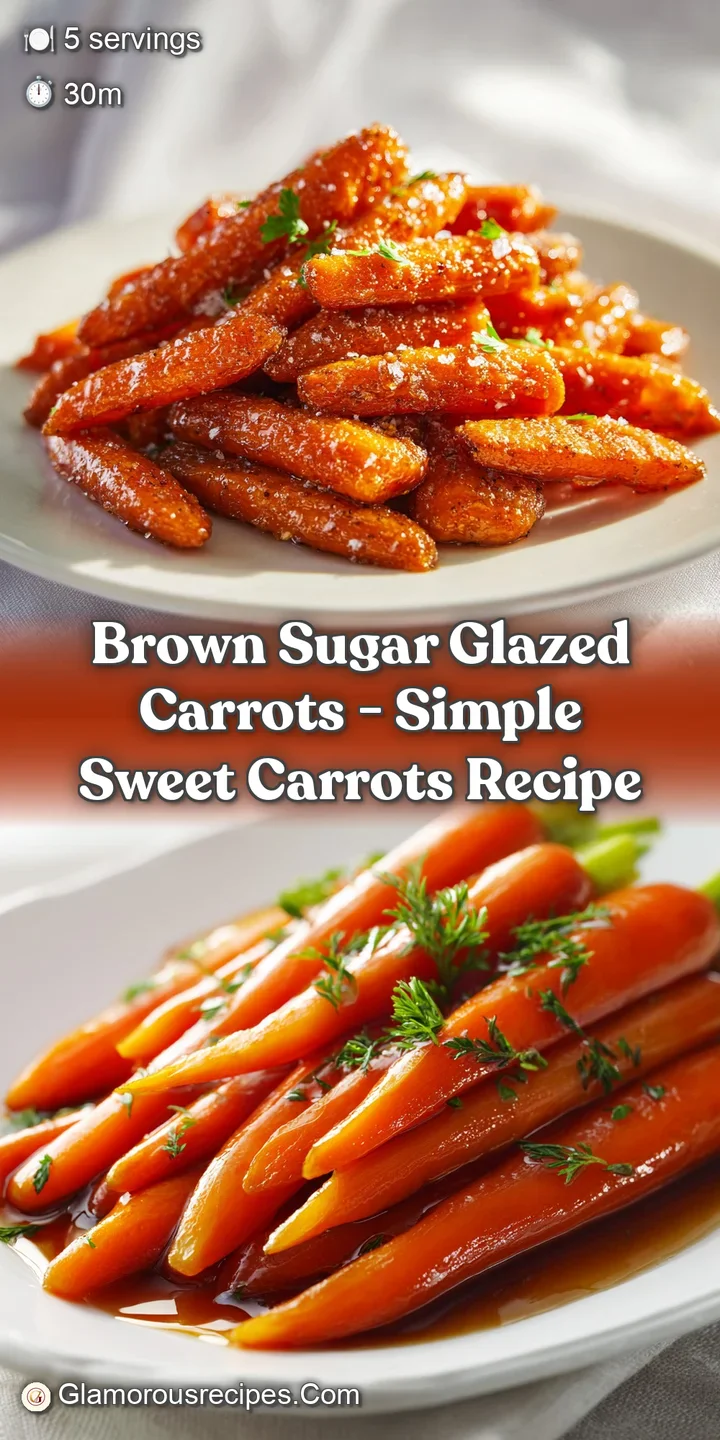
- Time: Active 10 minutes, Passive 20 minutes, Total 30 minutes
- Flavor/Texture Hook: Tender snap carrots in a buttery, syrupy glaze
- Perfect for: Sunday dinners, holiday sides, or quick weeknight comfort
- The Secret to Rich Brown Sugar Glazed Carrots
- Science Behind the Silky Glaze
- Essential Recipe Specifications
- Selecting Quality Elements
- Reliable Kitchen Equipment
- Mastering the Stovetop Technique
- Troubleshooting Glaze Issues
- Customizing Your Side Dish
- Handling Leftovers Properly
- Plating for a Sunday Dinner
- Recipe FAQs
- 📝 Recipe Card
The Secret to Rich Brown Sugar Glazed Carrots
The kitchen always smells best right as the butter hits the pan and begins to foam. I remember standing by my grandmother's stove, watching her toss sliced carrots into a heavy skillet until they started to hiss and dance in the fat.
It wasn't just about cooking them through; it was about that specific moment when the sugar met the heat and turned into a bubbling, golden lava that smelled like a warm hug.
Getting the glaze right used to be a struggle for me. I’d end up with either crunchy, raw centers or a watery mess that wouldn't stick to the vegetables. It took a few burnt pans and a lot of soggy carrots to realize that the magic is all in the reduction and the cut of the vegetable.
You want that glossy, thick coating that actually clings rather than pooling at the bottom of the plate.
We're going to use simple ingredients, but the technique makes them feel special. This isn't just about sweetness; it's about the salt, the pepper, and that hit of fresh herbs that cuts through the sugar.
Whether you're serving this alongside a hearty roast or just want to make a Tuesday night feel a bit more like a Sunday feast, this method never fails to deliver that nostalgic comfort we all crave.
Science Behind the Silky Glaze
The Emulsion Mechanism: When butter and dark brown sugar simmer with water, they form a temporary emulsion where fat droplets are suspended in a sugar syrup. This prevents the glaze from breaking and ensures it creates a velvety coating that adheres to the carrot's surface.
| Cooking Method | Total Time | Final Texture | Best Used For |
|---|---|---|---|
| Stovetop | 25 minutes | Tender snap with thick glaze | Precise control and quick meals |
| oven-roasted | 45 minutes | Shriveled and highly concentrated | Deep caramelization and hands off prep |
| Slow Cooker | 4 hours | Soft and fully saturated | Large crowds and holiday planning |
The stovetop method remains my favorite because it allows you to watch the liquid vanish. You can see the exact second the bubbles change from watery and thin to thick and "lazy," which is when you know the sugar has reached the right concentration.
Essential Recipe Specifications
Getting your measurements and timing down is the first step toward that restaurant quality finish. We are looking for three specific precision checkpoints: carrots sliced to a 1/2 inch thickness, an internal temperature that feels fork tender but not mushy, and a 5 minute final reduction where the sauce coats the back of a spoon.
| Component | Science Role | Pro Secret |
|---|---|---|
| Dark Brown Sugar | Humectant & Flavor | The molasses content adds acidity, which balances the heavy butter fat. |
| Unsalted Butter | Emulsifier | Adding it cold at the start helps it melt slowly into the sugar. |
| Sea Salt | Flavor Enhancer | Salt suppresses bitterness and makes the sweetness feel "rounded" instead of cloying. |
These carrots are the ultimate companion to a savory main. They pair beautifully with my Oven Brisket Recipe because the sweetness of the glaze cuts right through the richness of the slow cooked beef.
Selecting Quality Elements
Choosing the right carrots is more important than you might think. Avoid the pre peeled baby carrots if you can; they are often stored in water which makes them hold too much moisture, leading to a diluted glaze.
Whole, large carrots that you peel and slice yourself have a much better flavor and a natural snap that holds up to the heat.
- 1.5 lbs carrots: Peeled and sliced into 1/2 inch diagonal coins. Why this? Diagonal cuts provide more surface area for the glaze to cling to.
- 4 tbsp unsalted butter: Provides the fat for the emulsion. Why this? Unsalted allows you to control the seasoning precisely.
- 1/3 cup dark brown sugar: The primary sweetener. Why this? Dark sugar has more molasses than light, giving a deeper color.
- 1/2 tsp sea salt: To balance the sugar.
- 1/4 tsp cracked black pepper: Adds a subtle heat.
- 1/4 cup water: The medium for the initial steam.
- 1 tbsp fresh thyme or parsley: For a bright, earthy finish.
| Original Ingredient | Substitute | Why It Works |
|---|---|---|
| Dark Brown Sugar | Maple Syrup | Thinner consistency but adds a distinct woody sweetness. |
| Fresh Thyme | Dried Thyme | Use 1/3 the amount. Note: Less vibrant color but similar earthy profile. |
| Sea Salt | Kosher Salt | Use slightly more by volume. Provides a clean, salty punch. |
Reliable Kitchen Equipment
You don't need a pantry full of gadgets, but a wide skillet is your best friend here. A wide pan allows the water to evaporate quickly, which is essential for transforming that liquid into a thick syrup.
If the pan is too narrow and deep, the carrots will boil and get mushy before the sugar has a chance to caramelize properly.
I prefer using a heavy bottomed stainless steel pan or a well seasoned cast iron skillet (like a Lodge). These hold heat evenly, which prevents the sugar from scorching in "hot spots" while the rest of the pan stays cool.
You'll also want a tight fitting lid for the initial steaming phase to ensure the carrots cook through to the center.
Mastering the Stovetop Technique
Chef's Tip: Freeze your butter for 10 minutes before starting, then grate it into the pan. This helps it incorporate into the sugar more evenly without separating into an oily layer.
- Prep the carrots. Peel and slice the 1.5 lbs of carrots into 1/2 inch diagonal coins. Note: Consistent thickness ensures they all finish cooking at the same time.
- Combine ingredients. Place the carrots, 4 tbsp butter, 1/3 cup dark brown sugar, 1/2 tsp sea salt, 1/4 tsp pepper, and 1/4 cup water in a large skillet.
- Steam the vegetables. Cover with a lid and bring to a simmer over medium heat.
- Cook until tender. Simmer for 8-10 minutes until a fork easily pierces the carrots.
- Remove the lid. Crank the heat up to medium high once the carrots are tender.
- Reduce the liquid. Cook for another 5-7 minutes until the liquid bubbles vigorously and turns syrupy.
- Toss for coverage. Stir frequently during the final minutes to ensure every coin is coated in the darkening glaze.
- Add the herbs. Stir in 1 tbsp fresh thyme or parsley right before serving.
- Rest briefly. Let the carrots sit for 2 minutes until the glaze thickens and sets slightly.
Troubleshooting Glaze Issues
One of the biggest heartbreaks is watching your beautiful glaze turn into a greasy, separated mess. This usually happens if the heat is too high at the very end or if the butter wasn't properly emulsified.
If you see oil pooling at the bottom, don't panic; you can usually save it with a tiny splash of water and some vigorous stirring.
Fixing a Greasy Sauce
If your sauce looks broken, it’s likely because the fat separated from the sugar. This happens when the pan gets too hot too fast. Simply pull the pan off the heat, add one teaspoon of hot water, and whisk quickly. The water helps re bind the emulsion.
Preventing Mushy Texture
Overcooking the carrots during the "lid on" phase is a common mistake. If they are already soft before the liquid has reduced, they will turn to mush by the time the glaze is thick. Always check them a few minutes early.
| Problem | Root Cause | Solution |
|---|---|---|
| Thin/Watery Glaze | Not enough reduction time | Simmer uncovered for 3 extra mins on high. |
| Burnt Sugar Smell | Heat was too high | Lower heat and add 1 tbsp water to stop cooking. |
| Tough Carrots | Slices were too thick | Add 2 tbsp water, cover, and steam 5 more mins. |
- ✓ Always pat carrots dry if they were washed right before cooking to prevent excess moisture.
- ✓ Use a wide skillet to encourage fast evaporation of the steaming liquid.
- ✓ Taste a carrot coin for saltiness before the glaze fully thickens; it's easier to adjust early.
- ✓ Stir constantly in the final two minutes to prevent the sugar from sticking to the pan.
- ✓ Remove the pan from the heat the moment the bubbles look thick and "glassy."
Customizing Your Side Dish
If you want to move away from the classic profile, there are dozens of ways to tweak this. Adding a tablespoon of orange juice and some zest creates a bright, citrusy version that is incredible with roasted poultry.
You could also swap the thyme for a pinch of cinnamon and ginger for a profile that feels more like a holiday dessert.
For those looking for more variety in their vegetable rotation, this glazing technique works remarkably well with other root crops. I often use a similar approach when I'm making my Savory & Tender recipe, though the roasting method provides a different kind of earthy depth compared to the stovetop glaze.
For a Zesty Kick
Add the zest of half an orange and a squeeze of fresh juice during the final reduction. The acid brightens the heavy sugar and makes the carrots pop.
For oven-roasted Intensity
Toss the carrots in the melted butter and sugar, then roast at 400°F (200°C) for 25 minutes. This creates shattery, caramelized edges that you just can't get on the stovetop.
- If you want a deeper flavor, use muscovado sugar instead of dark brown sugar.
- If you want a shiny finish, add a final teaspoon of cold butter at the very end of cooking.
- If you want a spicy contrast, add a pinch of cayenne pepper or red pepper flakes.
Handling Leftovers Properly
These carrots actually hold up surprisingly well in the fridge. The glaze will solidify into a thick gel as it cools, but it melts right back into a silky sauce once you apply heat. I usually keep mine in an airtight glass container for up to 4 days.
When it comes to the freezer, you can freeze them for up to 3 months, though the texture of the carrot will soften significantly once thawed. It's best to use frozen leftovers in a pureed soup or mashed into a root vegetable medley where the softer texture isn't an issue.
To reheat, avoid the microwave if possible; it tends to make the glaze greasy. Instead, put the carrots back in a small skillet over low heat with a teaspoon of water. Cover them for a minute to trap the steam, then stir gently until the glaze is glossy again.
If you have extra carrots, try chopping them up and adding them to a morning grain bowl or even a salad for a hit of sweetness.
Plating for a Sunday Dinner
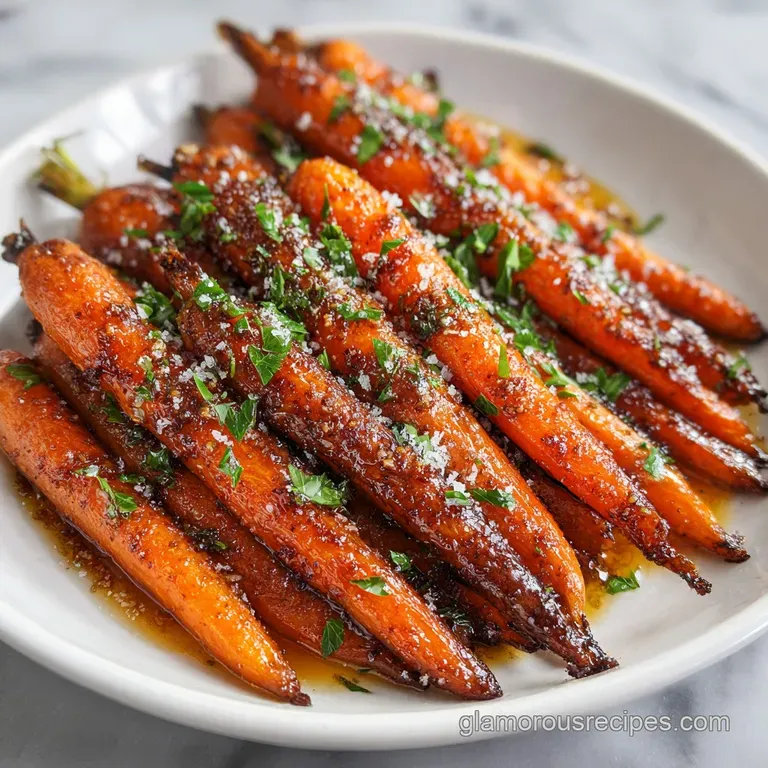
Presentation is everything when you're serving a classic dish like this. I love using a long, shallow white platter to show off the vibrant orange of the carrots against the dark amber glaze. Don't just dump them on the plate; arrange them so the diagonal cuts are visible.
Pour every last drop of that glaze from the pan over the top. It’s like liquid gold, and you don't want to waste it. A final sprinkle of fresh thyme or parsley adds that "just picked" look and a pop of green that makes the whole dish look like it came from a professional kitchen.
For a little extra crunch, you can even top them with some toasted pecans or walnuts right before serving to add a bit of texture to the velvety bite. These small touches transform a simple side into the star of the table.
Recipe FAQs
Can I substitute maple syrup for brown sugar in this glaze?
Yes, but expect a thinner consistency. Maple syrup provides a distinctly woody sweetness, but it lacks the molasses solids of brown sugar needed for maximum glaze thickness, so reduce the water slightly.
Why is my brown sugar glaze separating into oil and syrup?
This occurs because the emulsion has broken, usually due to excessive heat. Pull the pan off the heat immediately, add one teaspoon of hot water, and whisk vigorously to help rebind the fat and sugar components.
How to ensure the carrots cook through before the glaze burns?
Steam the carrots fully covered first until fork tender. Only remove the lid and increase the heat when the carrots are almost done to aggressively reduce the remaining liquid into a syrup.
Is it true that using pre-cut baby carrots ruins the glaze consistency?
Yes, pre-cut carrots often hold excess surface moisture. This added water dilutes the sugar concentration during the reduction phase, making it harder to achieve a thick, clinging glaze.
How to make this side dish suitable for a Daniel Fast plan?
No, this recipe is not suitable due to the butter and refined sugar. You must substitute the butter with olive oil and use a whole food sweetener like date paste or concentrated fruit juice for sweetness, similar to techniques used in our Daniel Fast Recipe.
How to store leftover glazed carrots for best texture retention?
Refrigerate in an airtight container for up to four days. When reheating, use low heat on the stovetop with a splash of water to re-liquefy the solidified glaze without microwaving, which tends to make the sauce greasy.
What seasoning can I use instead of thyme for a warmer flavor profile?
Use a pinch of ground cinnamon and ginger instead of thyme. This swap leans into a deeper, spiced profile perfect for holiday meals. If you enjoy balancing spice and sweetness, review our technique for balancing acidity in the Homemade Red Pepper recipe.
Brown Sugar Glazed Carrots
Ingredients:
Instructions:
Nutrition Facts:
| Calories | 193 kcal |
|---|---|
| Protein | 1.3 g |
| Fat | 9.5 g |
| Carbs | 27.9 g |
| Fiber | 3.8 g |
| Sugar | 20.8 g |
| Sodium | 230 mg |
