Authentic German Frikadellen Recipe
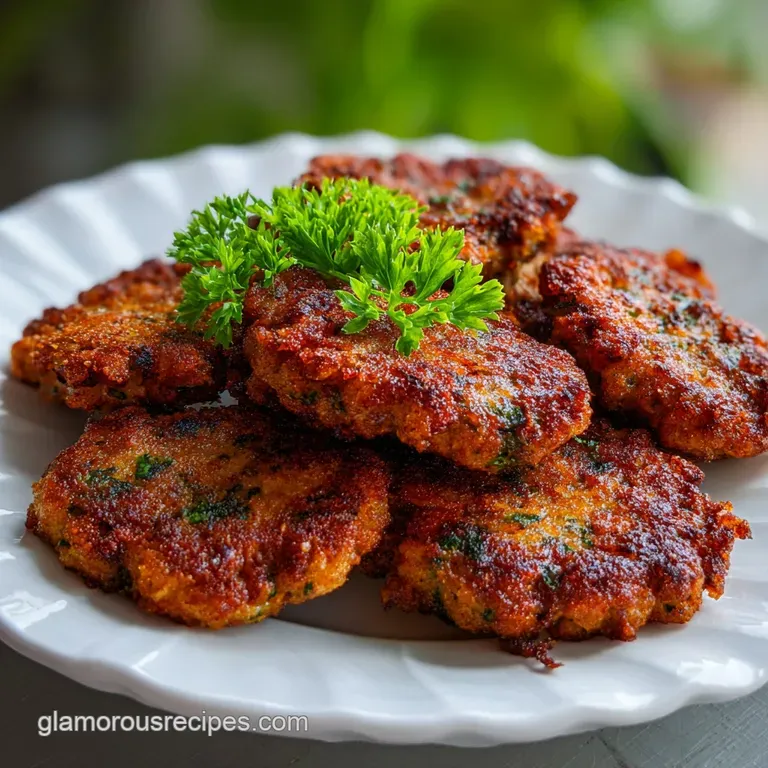
- Time: Active 15 minutes, Passive 0 minutes, Total 30 minutes
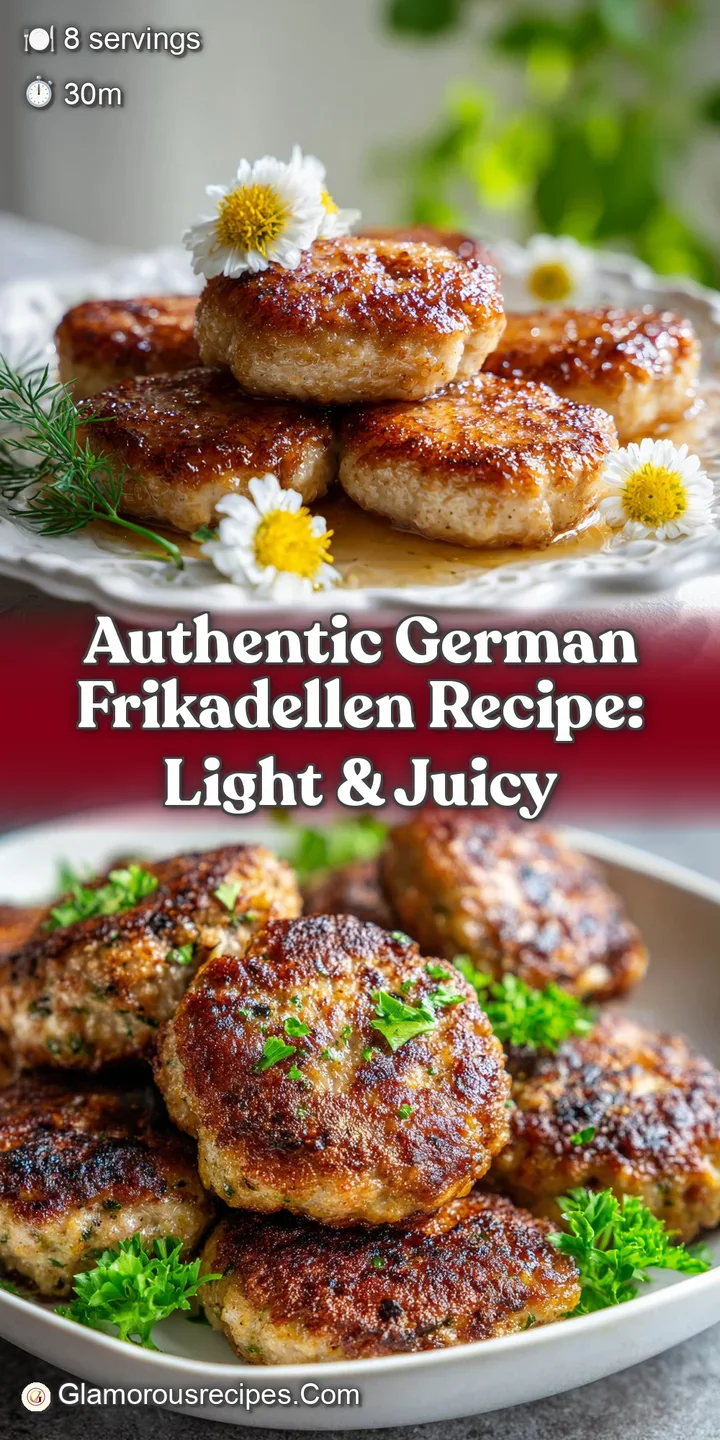
- Flavor/Texture Hook: A shatter crisp exterior with a velvety, herbaceous center
- Perfect for: A comforting Sunday dinner or a reliable weeknight meal prep
- Layering Flavor for Ultimate Meat Patties
- Standard Specs for the Home Cook
- The Essential Components for Success
- Tools for a Crispy Sear
- Step-by-Step Guide to Pan Frying
- Fixing Common Frikadellen Failures
- Adjusting the Batch Size
- Debunking Meat Patty Lore
- Storing Your German Meat Patties
- Perfect Pairings for Sunday Dinner
- Recipe FAQs
- 📝 Recipe Card
The first thing you notice isn't the sight of these patties, but the smell. It’s that specific, mouth watering aroma of onions hitting foaming butter, mingling with the earthy scent of dried marjoram and nutmeg.
I remember the first time I tried making these; I thought they were just "German hamburgers." Boy, was I wrong. A hamburger is about the beef, but a Frikadelle is about the panade—that milk soaked roll that transforms humble ground meat into something elegant and soft.
We’ve all had those dry, bouncy meat patties that feel like hockey pucks. I’ve made them too! But once I learned the secret of using a stale Kaiser roll instead of dry breadcrumbs, everything changed. It’s a trick that feels very much like the comfort food my Southern roots crave much like the hearty depth you'd find in a good Breakfast Casserole recipe, where the bread absorbs all the savory goodness.
Today, we’re going to layer those flavors together. We aren't just mixing meat; we’re building a savory foundation with mustard, fresh herbs, and a specific blend of spices that screams "Sunday afternoon in Bavaria." It’s a straightforward process, but the details like how finely you mince that onion make all the difference between a good dinner and a sacred family tradition.
Layering Flavor for Ultimate Meat Patties
The Panade Principle: Soaking stale bread in lukewarm milk creates a gel like starch paste that physically prevents the meat proteins from over tightening during cooking. This ensures the center remains tender rather than rubbery.
Fat Ratio Harmony: Using a 50/50 split of beef and pork provides enough collagen and fat to emulsify the mixture, leading to a silky mouthfeel that pure beef cannot achieve alone.
Thermal Maillard Reaction: Starting with neutral oil for high heat and finishing with butter allows for a deep mahogany crust without burning the milk solids in the butter.
Decision Guide for Doneness
| Thickness | Internal Temp | Rest Time | Visual Cue |
|---|---|---|---|
| 1 inch | 160°F (71°C) | 3 minutes | Juices run clear when pressed |
| 1.5 inches | 160°F (71°C) | 5 minutes | Firm bounce, no soft center |
| 0.5 inch (Slider) | 160°F (71°C) | 2 minutes | Uniformly browned throughout |
Getting the temperature right is the only way to ensure safety while keeping that velvety interior. If you pull them too early, the pork won't be cooked; too late, and you lose the moisture we worked so hard to build.
Standard Specs for the Home Cook
| Component | Science Role | Pro Secret |
|---|---|---|
| Stale Kaiser Roll | Starch Binder | Use a roll that’s "rock hard" to maximize milk absorption capacity. |
| German Mustard | Emulsifier | Helps bind the fat and water, while adding a sharp acidic counterpoint. |
| Ground Nutmeg | Flavor Bridge | Acts as a savory enhancer that bridges the gap between the pork and the herbs. |
Don't skip the nutmeg. It sounds like a baking spice, but in the world of German meat dishes, it’s the secret weapon that makes people ask, "What is that amazing flavor?"
The Essential Components for Success
To make this Authentic German Frikadellen Recipe, you'll need to gather these specific items. Quality matters here, especially with the meat and the bread.
- 250g lean ground beef: Provides the structure and deep iron rich flavor. Why this? Lean beef prevents the patties from shrinking excessively in the pan.
- 250g ground pork: Adds essential fat and a softer texture. Why this? Pork fat has a lower melting point, contributing to the "melt in-mouth" feel.
- 1 stale white Kaiser roll: The heart of the panade. Why this? The airy structure of a Kaiser roll holds more moisture than dense sandwich bread.
- 120ml lukewarm whole milk: To hydrate the bread.
- 1 large egg: Acts as the secondary binder to hold the shape during the sear.
- 1 medium yellow onion, finely minced: For sweetness and moisture.
- 1 tbsp German mustard: Adds tang and helps with emulsification.
- 2 tbsp fresh parsley, minced: Provides a grassy, fresh finish to cut through the fat.
- 1 tsp dried marjoram: The signature herb of traditional Frikadellen.
- 1 tsp fine sea salt: To season throughout.
- 1/2 tsp freshly cracked black pepper: For a subtle floral heat.
- 1/4 tsp ground nutmeg: The "hidden" savory spice.
- 2 tbsp neutral oil: For the over high heat searing phase.
- 1 tbsp unsalted butter: To baste and add a nutty finish at the end.
Smart Ingredient Substitutions
| Original Ingredient | Substitute | Why It Works |
|---|---|---|
| Stale Kaiser Roll | 45g Panko Breadcrumbs | Absorbs liquid quickly. Note: Texture will be slightly grainier than the roll. |
| Dried Marjoram | Dried Oregano | Similar earthy profile. Note: Oregano is stronger, so use slightly less. |
| Ground Pork | Ground Veal | Traditional in some regions. Note: Much leaner and more expensive; adds a delicate flavor. |
If you find yourself out of whole milk, heavy cream diluted with a bit of water works in a pinch, though it makes the patties significantly richer.
Tools for a Crispy Sear
You don't need a professional kitchen, but a heavy bottomed skillet is your best friend here. I personally swear by a well seasoned cast iron skillet (like a Lodge) because it holds heat like a champion.
You’ll also need a large mixing bowl to get your hands in there yes, hands are the best tool for this and a sharp knife to get that onion as fine as possible. A meat thermometer is also a non negotiable for me; it takes the guesswork out of the equation so you never serve a raw center.
step-by-step Guide to Pan Frying
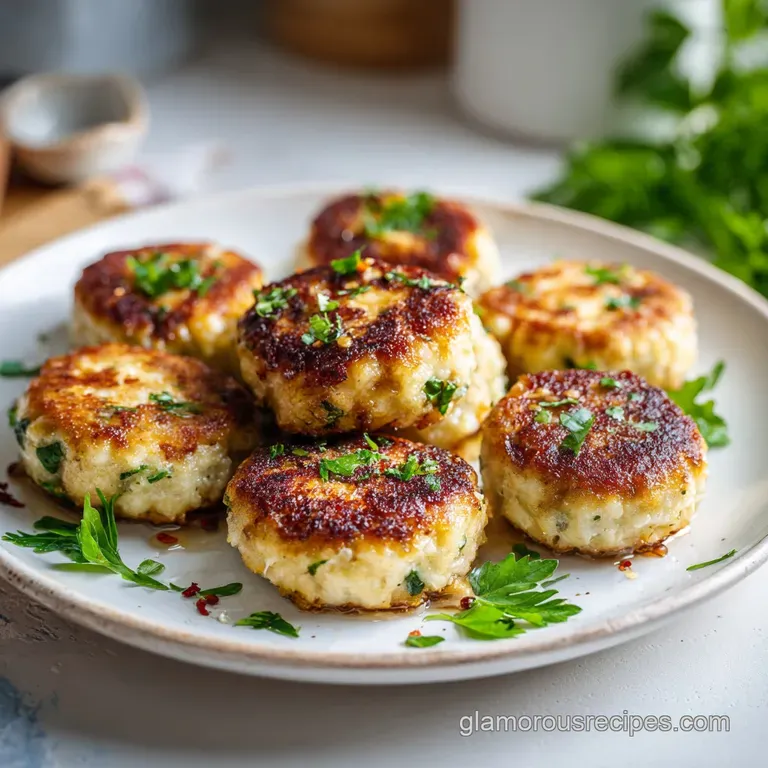
- Hydrate the bread. Place the stale Kaiser roll in a small bowl and pour 120ml lukewarm whole milk over it. Note: Let it sit for at least 10 minutes until completely soft.
- Squeeze the excess. Lift the roll and squeeze out the milk with your hands. Do not skip this or your patties will be too wet to form.
- Prep the aromatics. Finely mince the medium yellow onion and 2 tbsp fresh parsley.
- Combine the base. In a large bowl, add the 250g beef, 250g pork, squeezed bread, 1 large egg, and the minced onion and parsley.
- Season the mix. Add 1 tbsp German mustard, 1 tsp dried marjoram, 1 tsp sea salt, 1/2 tsp black pepper, and 1/4 tsp nutmeg.
- Mix by hand. Knead the mixture until everything is perfectly distributed. Stop when the meat looks tacky and uniform.
- Shape the patties. Form the mixture into 8 medium sized balls, then flatten them into thick discs about 1 inch thick.
- Heat the pan. Add 2 tbsp neutral oil to your skillet over medium high heat until the oil shimmers and a tiny piece of meat sizzles instantly.
- Sear the first side. Place patties in the pan (don't overcrowd!) and cook for 5-6 minutes until a dark, mahogany crust forms.
- Finish with butter. Flip the patties, add 1 tbsp unsalted butter to the pan, and cook for another 5-6 minutes until the internal temperature reaches 160°F.
Chef Tip: Grate the Onion
If you have kids (or adults!) who hate the texture of onions, use a box grater instead of a knife. The onion pulp melts into the meat, providing all the moisture and flavor without any detectable chunks.
Fixing Common Frikadellen Failures
Why Your Frikadellen Fall Apart
If your patties are disintegrating the moment they hit the pan, it’s usually an issue with the binder or the mixing. The egg and the squeezed bread need to work together to create a "matrix." If the bread was too wet, the mixture won't hold.
Troubleshooting Your Texture
| Problem | Root Cause | Solution |
|---|---|---|
| Dry/Crumbly | Too much beef or overcooked | Use the 50/50 pork blend and pull at 160°F. |
| Greasy | Pan wasn't hot enough | Wait for the oil to shimmer before adding the meat. |
| Raw Center | Heat too high | Lower heat to medium and use a lid for the last 2 minutes. |
A common mistake I once made was rushing the bread soaking process. If the center of the roll is still hard, you'll end up with random bready lumps in your meat. Give it the full 10 minutes!
Common Mistakes Checklist
- ✓ Squeeze the roll until it's a dry paste (prevents soggy patties)
- ✓ Mince onions extremely fine (prevents patties from breaking)
- ✓ Use lukewarm milk, not cold (hydrates the bread fibers faster)
- ✓ Chill the formed patties for 15 minutes if you have time (helps them stay together)
- ✓ Don't press down on the patties with a spatula while cooking (keeps the juices inside)
Adjusting the Batch Size
Scaling Down: If you're cooking for one or two, you can easily halve this. Beat the egg in a small cup first, then use exactly half. Use a smaller 8 inch skillet to maintain the heat density, and reduce the cooking time by about 2 minutes per side as smaller batches tend to cook faster.
Scaling Up: To double or triple this for a party, work in batches. Never crowd the pan, or the meat will steam instead of sear, losing that "shatter" crust. For the spices, I recommend only increasing the salt and pepper by 1.5x for a double batch, then tasting a small fried "tester" piece to see if it needs more.
Kitchen Workflow Shortcuts
| Goal | Shortcut | Impact |
|---|---|---|
| Save Time | Use 1/2 cup dry breadcrumbs | Faster prep, but slightly denser texture. |
| More Flavor | Sauté onions before mixing | Adds sweetness; requires cooling time before mixing with raw meat. |
| Bulk Prep | Use a stand mixer | Saves hands, but be careful not to over mix into a paste. |
If you're serving a crowd, these pair beautifully with a creamy soup. I love serving them alongside a Wisconsin Cheese Soup recipe for a full on comfort meal that hits all the right notes.
Debunking Meat Patty Lore
One major myth is that you need to press the patties flat with a spatula to get a good crust. This actually just forces the juices out into the pan, leaving you with dry meat. Let the weight of the patty and the heat of the oil do the work.
Another misconception is that searing "seals in the juices." Science tells us that's not true searing creates flavor through the Maillard reaction, but moisture loss happens regardless of the crust. The real "juice sealer" is the panade we made with the milk and bread.
Storing Your German Meat Patties
Storage: These keep beautifully in the fridge for up to 3 days in an airtight container. They actually make incredible cold sandwiches the next day just slice them thin and put them on a buttered roll with extra mustard.
Freezing: You can freeze these raw or cooked for up to 3 months. If freezing raw, place parchment paper between the patties so they don't fuse together. Thaw in the fridge overnight before frying or reheating.
Zero Waste: Don't throw away that leftover milk from the soaking bowl! If you're making a side of mashed potatoes, use that onion and bread infused milk to mash into the spuds. It’s an instant flavor boost.
Perfect Pairings for Sunday Dinner
German Frikadellen with Gravy (Rahmsauce)
In many parts of Germany, these aren't served dry. After removing the patties from the pan, you can whisk in a tablespoon of flour into the leftover fat, then slowly add beef stock and a splash of heavy cream. It creates a velvety sauce that is pure heaven over egg noodles.
The Zesty Alpine Twist
For something a bit lighter, serve these with a side of cold German potato salad (the kind with vinegar and bacon) and a big dollop of spicy horseradish mustard. The acidity of the salad and the heat of the mustard cut right through the richness of the pork and beef.
Whether you're making this Authentic German Frikadellen Recipe for a quick Tuesday night or a slow Sunday, remember that the "secret" is in the patience of the prep. Get that bread soft, get that pan hot, and don't be afraid to get your hands a little messy!
Recipe FAQs
What is the secret to good Frikadellen?
Soaking stale bread in warm milk (the panade). This starch binder is crucial; it physically keeps the meat proteins from tightening excessively while cooking, guaranteeing a tender, velvety interior.
What is a German Frikadellen?
It is a traditional German pan-fried meat patty or meatball. Unlike a simple hamburger, Frikadellen rely heavily on a starchy binder like soaked bread or roll to achieve a lighter, fluffier texture.
What is the best bread to use for Frikadellen?
A stale, dry Kaiser roll is the traditional and best choice. Its airy crumb absorbs the milk binder perfectly without becoming mushy, which is key to texture control; if you enjoyed mastering this binding technique, see how the same principle works when trying our Breakfast Casserole recipe.
What are authentic German meat patties?
Frikadellen, also called Buletten in Berlin or Fleischpflanzerl in Bavaria, are the authentic patties. They traditionally use a 50/50 blend of ground beef and pork, seasoned heavily with nutmeg and marjoram.
Can I substitute the ground pork with only ground beef?
No, you should not substitute all the pork for leaner beef. Pork fat has a lower melting point, providing necessary lubrication and moisture that pure beef cannot offer, which results in a dry patty.
How long should I cook Frikadellen for the best results?
Sear for 5 6 minutes per side over medium high heat. Ensure the internal temperature reaches 160°F (71°C) for safety, resting for at least 3 minutes afterward to allow the juices to redistribute.
Is it true you should press the patties with a spatula while cooking?
No, this is a common misconception. Pressing the patties forces the moisture and fat out onto the pan, which causes the meat to dry out internally; let the heat sear the outside naturally.
Authentic German Frikadellen Recipe
Ingredients:
Instructions:
Nutrition Facts:
| Calories | 452 kcal |
|---|---|
| Protein | 24.5 g |
| Fat | 33.1 g |
| Carbs | 13.8 g |
| Fiber | 1.2 g |
| Sugar | 2.1 g |
| Sodium | 692 mg |
